Gas prices surge, Spirit Airlines collapses as Face the Nation guests weigh fallout
Gas near four-year highs and Spirit Airlines’ shutdown put inflation and instability at the center of Washington’s Sunday talk shows.
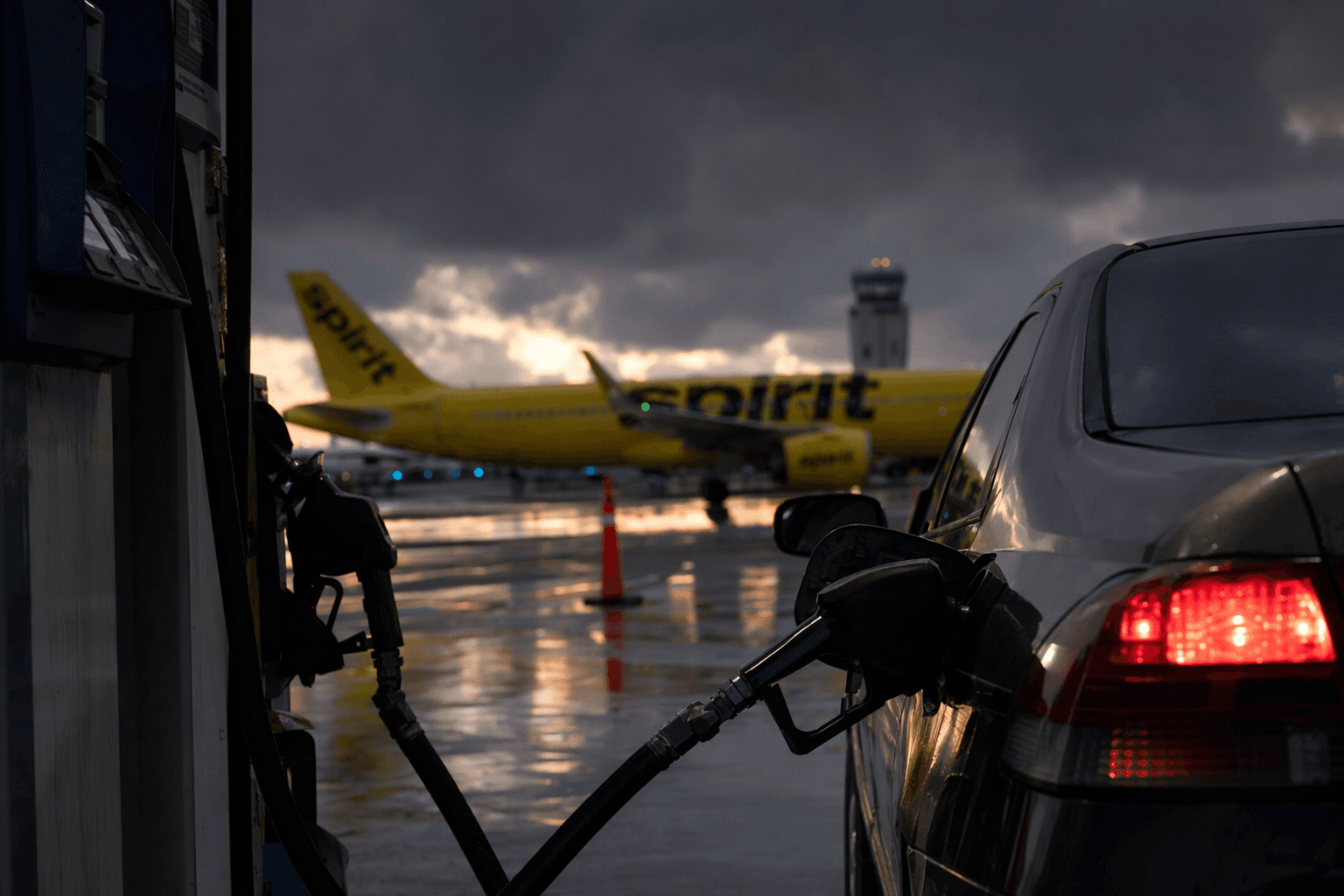
Gasoline at $4.433 a gallon and Spirit Airlines’ collapse gave Washington a clear economic warning: households are feeling a renewed shock from energy costs while the travel industry absorbs a fresh hit from the Iran war.
CBS News listed White House National Economic Council Director Kevin Hassett, Federal Reserve Bank of Minneapolis President Neel Kashkari, Georgia Sen. Raphael Warnock, Colorado Rep. Jason Crow and Chevron CEO Mike Wirth for Face the Nation with Margaret Brennan. The broadcast was set for Sunday at 10:30 a.m. ET on CBS, with streaming at 12:30 p.m. ET on Paramount+ and CBSNews.com. The lineup itself signaled where the debate is headed: the White House will be pressed on prices, the Fed on rates, and energy executives on whether the latest jump is temporary or a new strain on consumers.
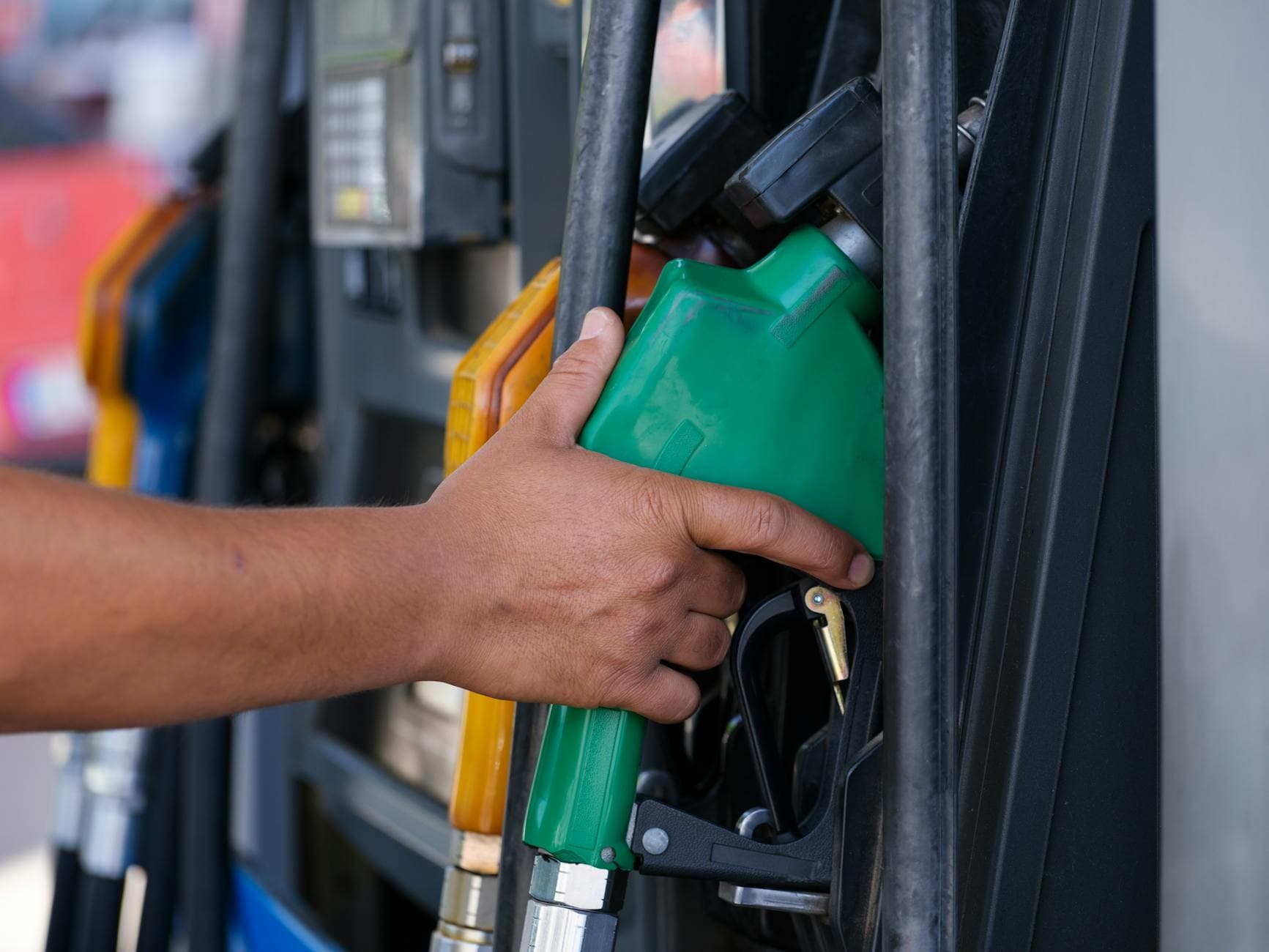
Spirit Airlines added urgency to that debate when it ceased operations on Saturday after failing to secure creditor support for a U.S. government bailout plan. Reuters described the carrier as the first airline casualty linked to the Iran war, noting that jet fuel prices doubled during the conflict. The shutdown is expected to cost thousands of jobs and will deepen questions about whether higher energy prices are starting to work through the broader economy, from airfare to credit conditions.
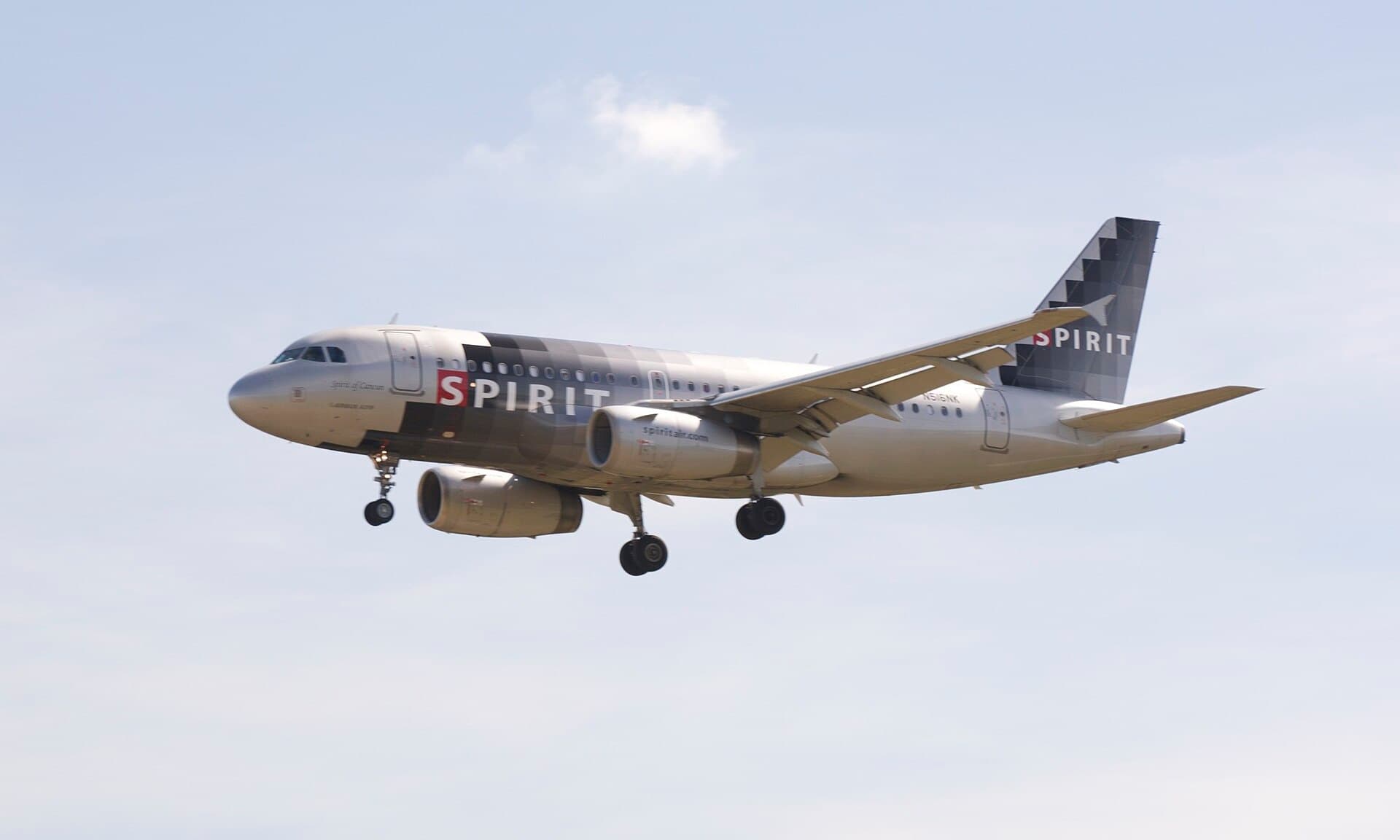
The gas numbers are moving just as quickly. AAA reported a national average of $4.433 per gallon for regular gas on May 2, and coverage on Sunday put the figure at $4.446. That put prices at their highest level in four years, with comparisons already being drawn to late July 2022. For households, the shock lands at the pump first, but it does not stop there. Higher fuel costs feed into shipping, airline pricing and the cost of commuting, all before they reach the Federal Reserve’s inflation gauges.
That is why Kashkari’s appearance matters. He has recently warned that the Iran war’s effect on oil prices and inflation could force the Fed to keep rates higher for longer, limiting the central bank’s room to cut. Warnock has been framing the issue differently, pushing the affordability stakes for working families and stressing Fed independence ahead of the 2026 midterm elections. Together, the guest list on Face the Nation points to the same political fault line: Washington can argue about the source of the pain, but voters are already seeing it in fuel receipts, airline disruption and borrowing costs.
This article was produced by Prism’s automated news system from verified source data, official records, and press releases, then run through automated quality and moderation checks before publishing. The system is built and supervised by the people who set the standards it runs under. Read our full AI policy.
Did this article answer your question?