Egg prices plunge as oversupply outpaces consumer demand
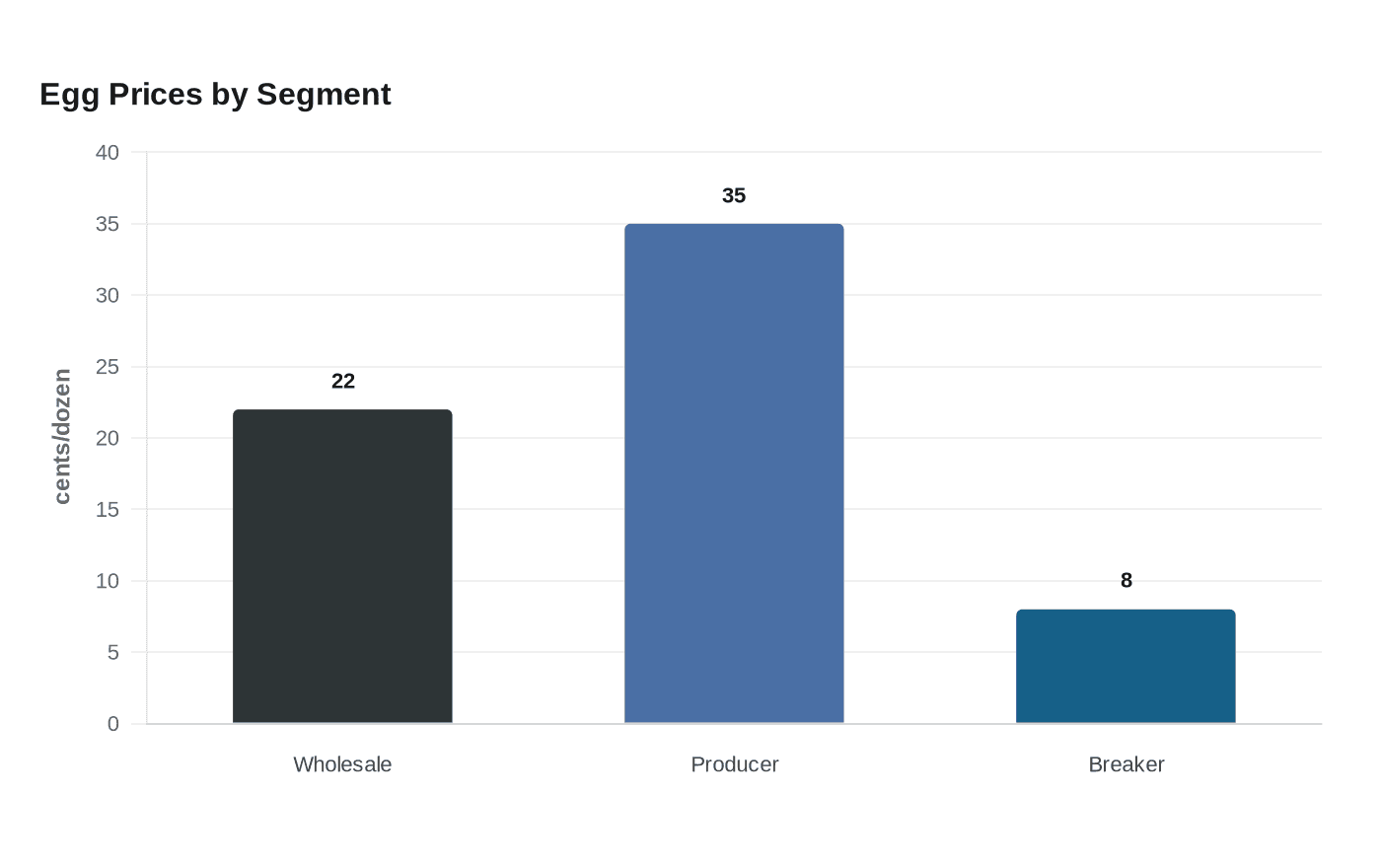
Wholesale eggs sank to 22 cents a dozen in early May, but shoppers and farmers are still feeling the gap as retail prices lag and producer margins tighten.

The egg market has flipped from shortage to surplus, but the benefits are landing unevenly. Wholesale large white shell eggs fell to 22 cents a dozen nationally in early May, yet retail prices have not fallen at the same pace, and farmers are now absorbing the sharper hit as feed, fuel and labor costs stay elevated.
U.S. Department of Agriculture data showed supplies were moderate to heavy, trading was mostly slow, and inventories were swelling. The national inventory of large shell eggs was up 8%, while the Midwest inventory rose 24% as movement into marketing channels slowed. In the Midwest, the price paid to producers for large cartoned shell eggs was 35 cents per dozen, a reminder that the cash market has softened well beyond what many shoppers see on store shelves.
The supply rebound followed a punishing avian-flu shock. The American Farm Bureau Federation said nearly 21 million birds were affected by highly pathogenic avian influenza between January and March 2026, then detections fell to fewer than 10,000 birds in May. As flocks were rebuilt after record 2025 prices, supply surged faster than demand, creating the classic post-shortage overshoot that now hangs over the market.
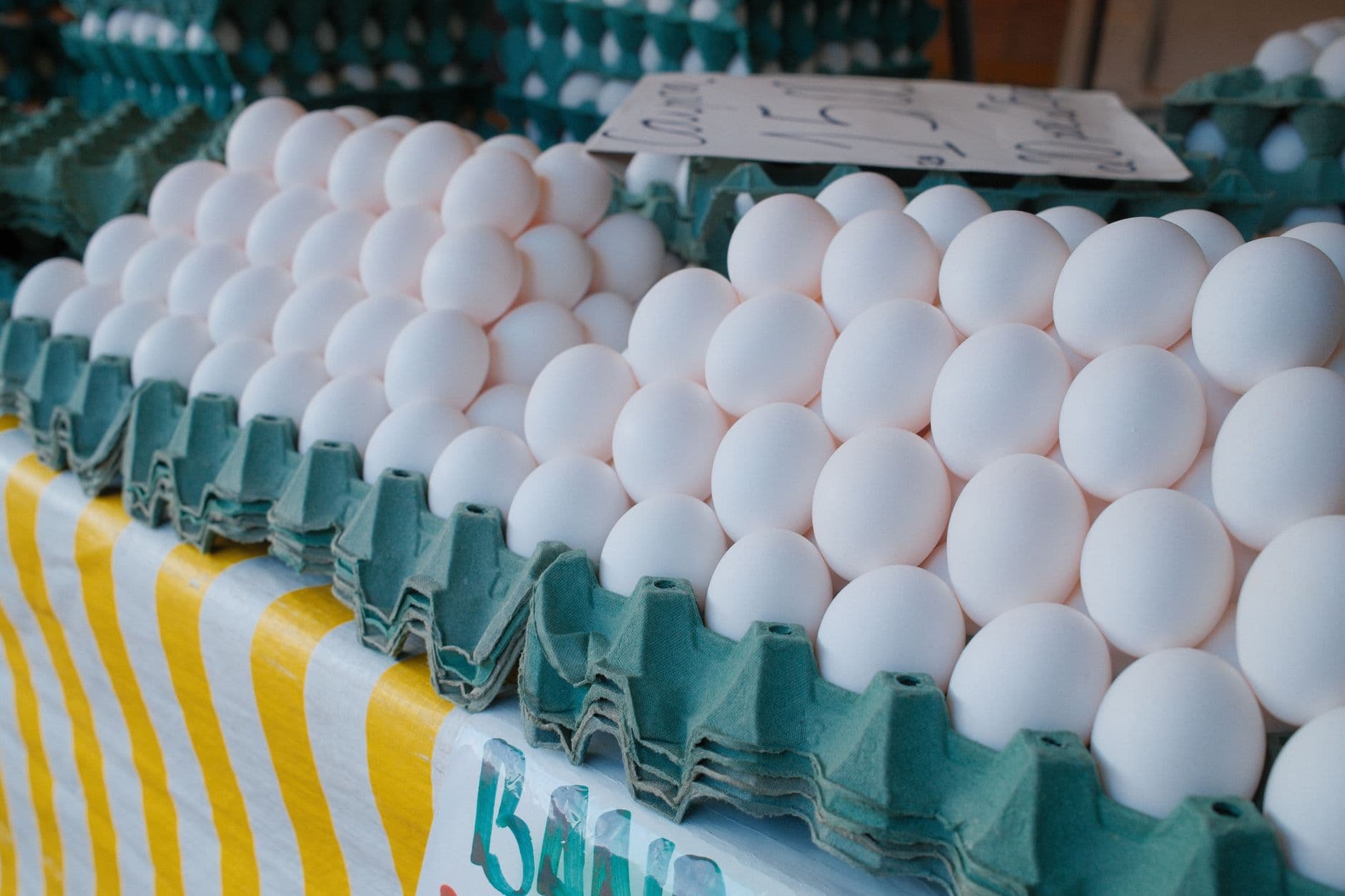
Production figures show how quickly the industry has recovered. The USDA’s National Agricultural Statistics Service said U.S. egg production totaled 9.20 billion eggs in January 2026, up 2% from a year earlier. The number of layers averaged 375 million in January, and 373 million layers were on hand on Feb. 1, up 2% from the same point in 2025.
Consumers have seen some relief. Retail shell-egg prices were 62% below a year earlier, and BLS data showed egg prices were down 44.7% year over year in March. Thomas Flocco, chief executive of Pete & Gerry’s, said some cartons were below $1 a dozen. But the drop has not been enough to erase the cost pressure on producers, especially in a market where breaker eggs, used for liquid egg products, fell to 8 cents per dozen, 96% below last year and far below break-even levels.
Emily Metz, president and chief executive of the American Egg Board, said feed, fuel and labor costs “did not disappear.” That tension explains why cheaper wholesale eggs are not fully translating into lower retail prices and why the same market shift that has eased pressure on shoppers is now squeezing farmers.
The USDA’s Economic Research Service expects table-egg production to rise year over year in both 2026 and 2027, while projected egg prices for 2027 are lower. The American Egg Board said in its June supply commentary that the industry is trying to expand use in retail, food service and industrial channels and boost exports, a sign that the next challenge is not scarcity but finding a home for too many eggs.
This article was produced by Prism’s automated news system from verified source data, official records, and press releases, then run through automated quality and moderation checks before publishing. The system is built and supervised by the people who set the standards it runs under. Read our full AI policy.
Did this article answer your question?

