Eid shoppers in Abidjan face soaring sheep prices and shortages
Abidjan shoppers faced tighter sheep supplies and sharper prices as Tabaski demand met disrupted Sahel imports, squeezing families trying to keep the Eid tradition.
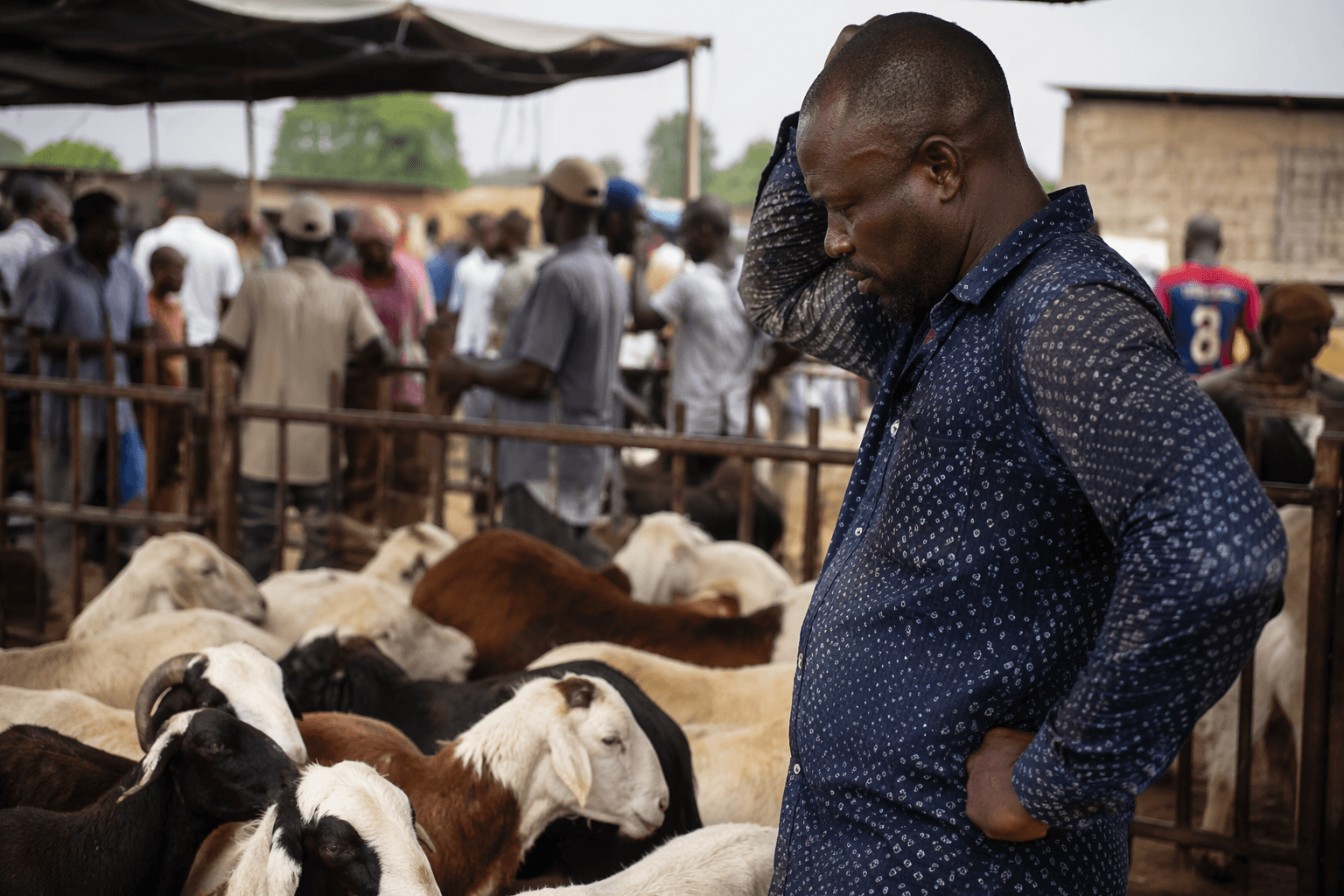
Sheep buyers in Abidjan spent the days before Tabaski bargaining hard in muddy markets, where fewer animals were available and sellers held the upper hand. For families preparing for Eid al-Adha, the shortage translated into a simple but painful choice: pay more than expected, or risk going without a sheep at all.
The strain reflected a supply shock rather than a passing market wobble. Côte d’Ivoire normally relies heavily on imports for Tabaski, with about 75% of the sheep and cattle used for the holiday coming from neighboring Sahel countries such as Burkina Faso and Mali. That flow was disrupted this year by export bans and insecurity across the region, leaving traders with fewer animals and pushing prices higher just as demand peaked.
The country needs about 350,000 animals for the festival, making the import pipeline central to the holiday economy. Niger has historically been the main supplier of livestock to Côte d’Ivoire, but officials said supply problems from Sahel countries had been building since 2022, a sign that this year’s shortage was part of a deeper regional pattern. Burkina Faso suspended livestock exports on May 8, a move meant to secure domestic supply but one that also tightened pressure on import-dependent markets such as Abidjan.
Côte d’Ivoire’s response has been to push harder on local production. On May 11, Assoumany Gouromenan received a delegation from CODISS, the Council of Sunni Muslim leaders and organizations in Côte d’Ivoire, and urged worshippers to choose locally raised sheep. A day later, the Council National de Lutte contre la Vie Chère visited a livestock site in Toumodi to promote domestic supply ahead of the holiday. By May 13, the government was openly urging consumers to buy local sheep instead, framing the shift as a practical answer to the import bottleneck.
Officials have also tried to show that the domestic herd is growing. One government source said the national herd rose from 2.26 million head in 2020 to 2.73 million in 2025. At the same time, the first edition of Foire Ivoire-Tabaski 2026 was scheduled from May 12 to June 3 in Abidjan, Bouaké, Korhogo and Yamoussoukro, reflecting a broader effort to stabilize supply and slow the surge in holiday prices.
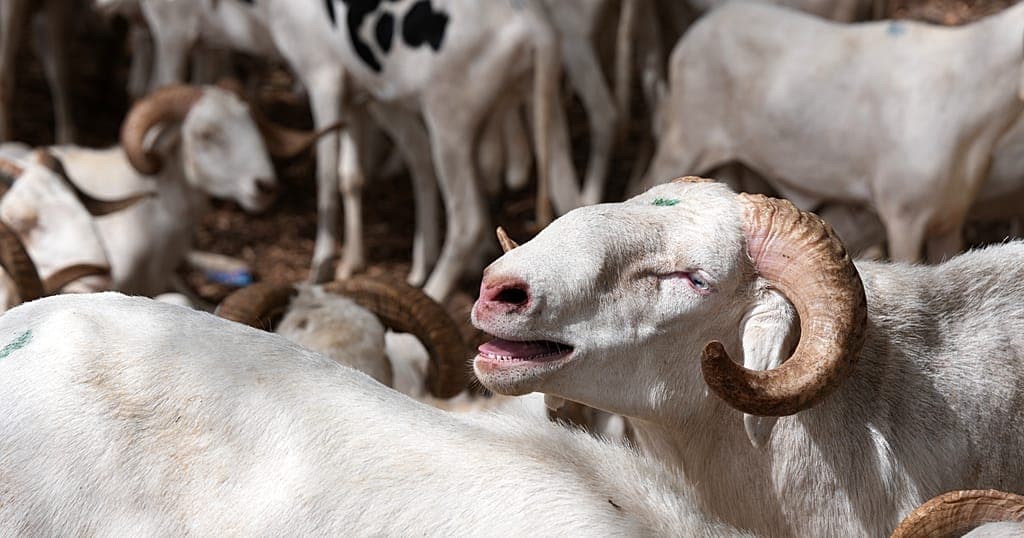
For urban households, the lesson is blunt: Tabaski is not just a religious celebration but a regional livestock market, and when Sahel trade routes are blocked by politics, bans or violence, the cost of a sacred ritual rises quickly in the city.
This article was produced by Prism’s automated news system from verified source data, official records, and press releases, then run through automated quality and moderation checks before publishing. The system is built and supervised by the people who set the standards it runs under. Read our full AI policy.
Did this article answer your question?