El Nino drought threatens planting and food supplies across Asia
Asia’s drying fields are already lifting rice and wheat prices, while weaker harvests in India, Australia and Indonesia raise food-inflation risks worldwide.
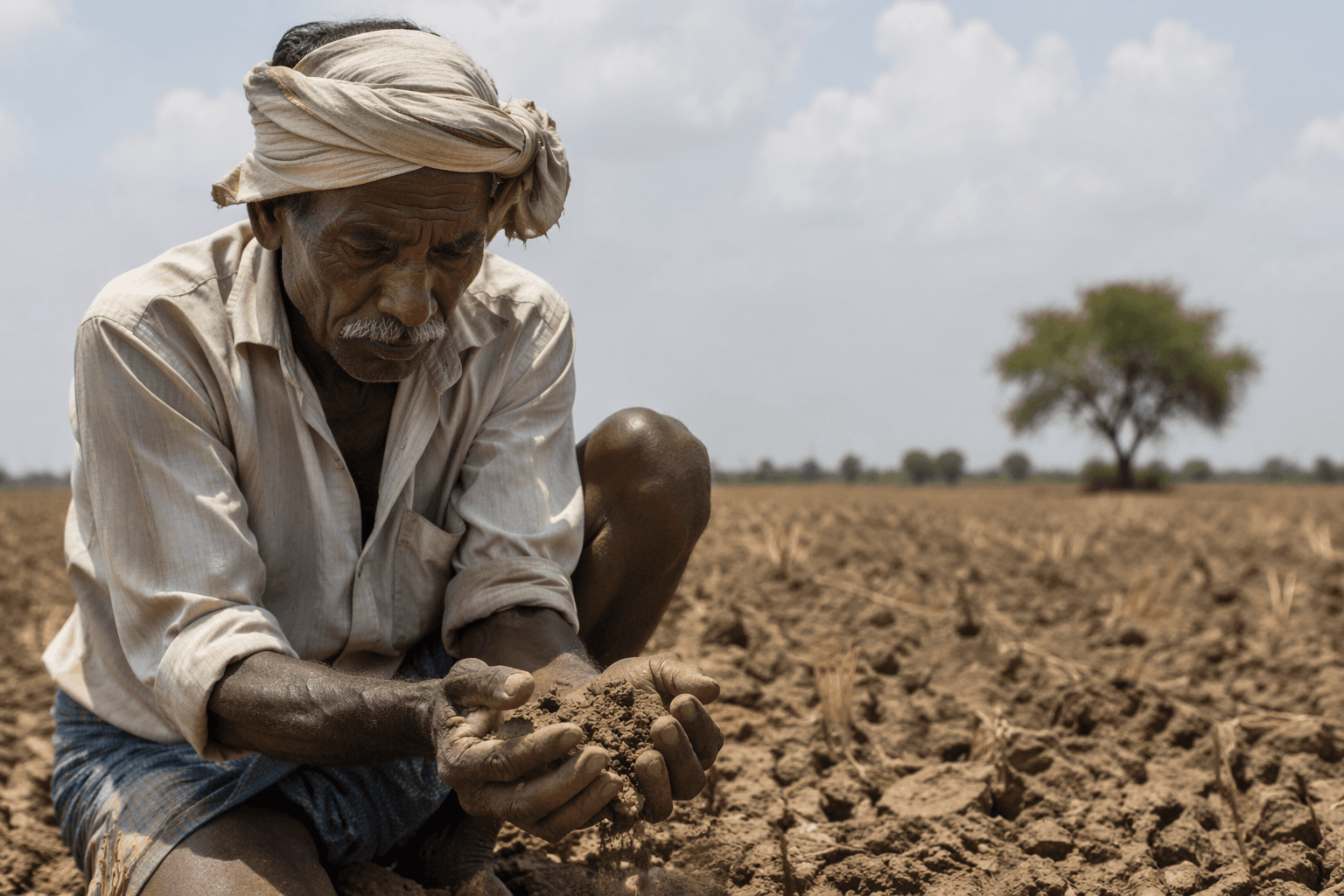
Dry weather across Asia is turning into a global food-price problem, with wheat and rice costs already climbing as El Nino-driven heat and rainfall deficits hit some of the world’s biggest farm economies. The pressure reaches from India’s northwestern grain belt to Australia’s eastern wheat belt, and from Thailand’s rice fields to Indonesia’s palm-oil plantations, raising the risk of tighter supplies just as consumers in many countries are still absorbing higher food bills.
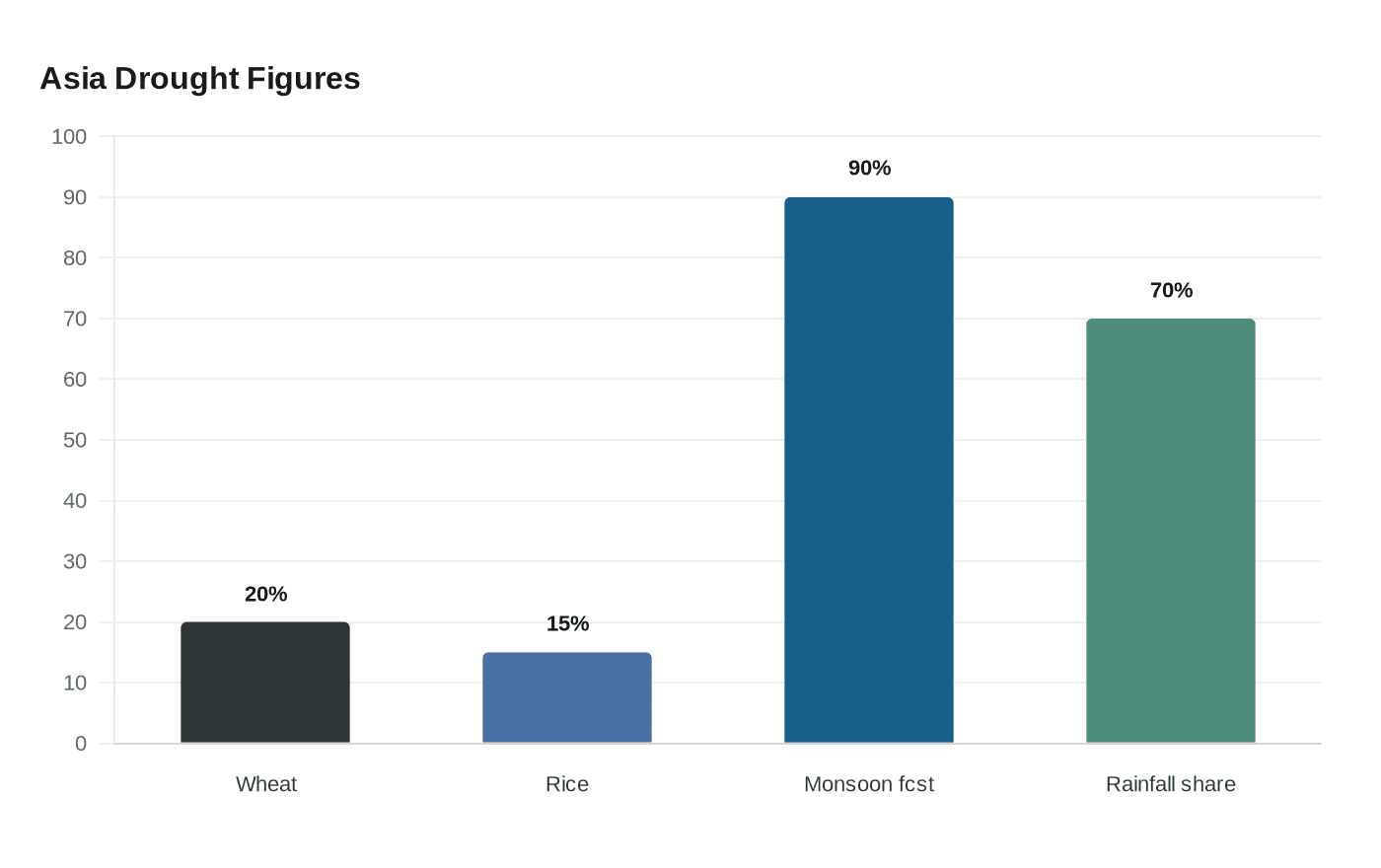
Wheat prices have risen about 20% since the start of 2026, while rice prices at major Southeast Asian export hubs have climbed around 15% over the past month. That jump matters far beyond the farm gate. Rice, wheat and palm oil are core staples in global trade, and any sustained disruption in planting or yields can feed directly into food inflation, especially if exporters respond with restrictions to protect domestic markets.
India is at the center of the concern. The country’s meteorological department cut its 2026 monsoon forecast to 90% of the long-period average, down from earlier expectations and still below normal. That matters because the monsoon normally provides about 70% of India’s annual rainfall, and growers in the northwestern plains are already struggling with temperatures well above normal that are making timely sowing difficult. Fertilizer and diesel shortages linked to the Iran war are adding another layer of stress for farmers who were already facing higher input costs.
The same weather pattern is squeezing other major exporters. Australia’s upcoming wheat harvest is expected to be the smallest in three years, with dry conditions and high fertilizer costs cutting both planting and yields. In Indonesia, crude palm oil output this year could fall by as much as 2 million metric tonnes from 2025 levels because of El Nino-related dryness and expensive fertilizer. Thailand’s rice growers are also uncertain about their second harvest, a warning sign for a region that supplies a large share of the world’s rice trade.
A moderate to strong El Nino was being forecast by the World Meteorological Organization, and climate analysts said the pattern typically brings hotter, drier conditions to parts of Asia and heavier rain to parts of the Americas. A U.S.-based meteorologist said the first effects usually show up in Southeast Asia, India and Australia before spreading to North and South America, and satellite imagery is already showing early signs of drought. If the dry pattern persists through 2026, the consequences could reach well beyond harvests, shaping export policy, food security and household budgets across the world.
This article was produced by Prism’s automated news system from verified source data, official records, and press releases, then run through automated quality and moderation checks before publishing. The system is built and supervised by the people who set the standards it runs under. Read our full AI policy.
Know something we missed? Have a correction or additional information?
Submit a Tip