Election officials fear interference, threats as midterms approach
Half of local election officials worried about political interference, while nearly a third said they had faced threats, as midterm pressure rose.
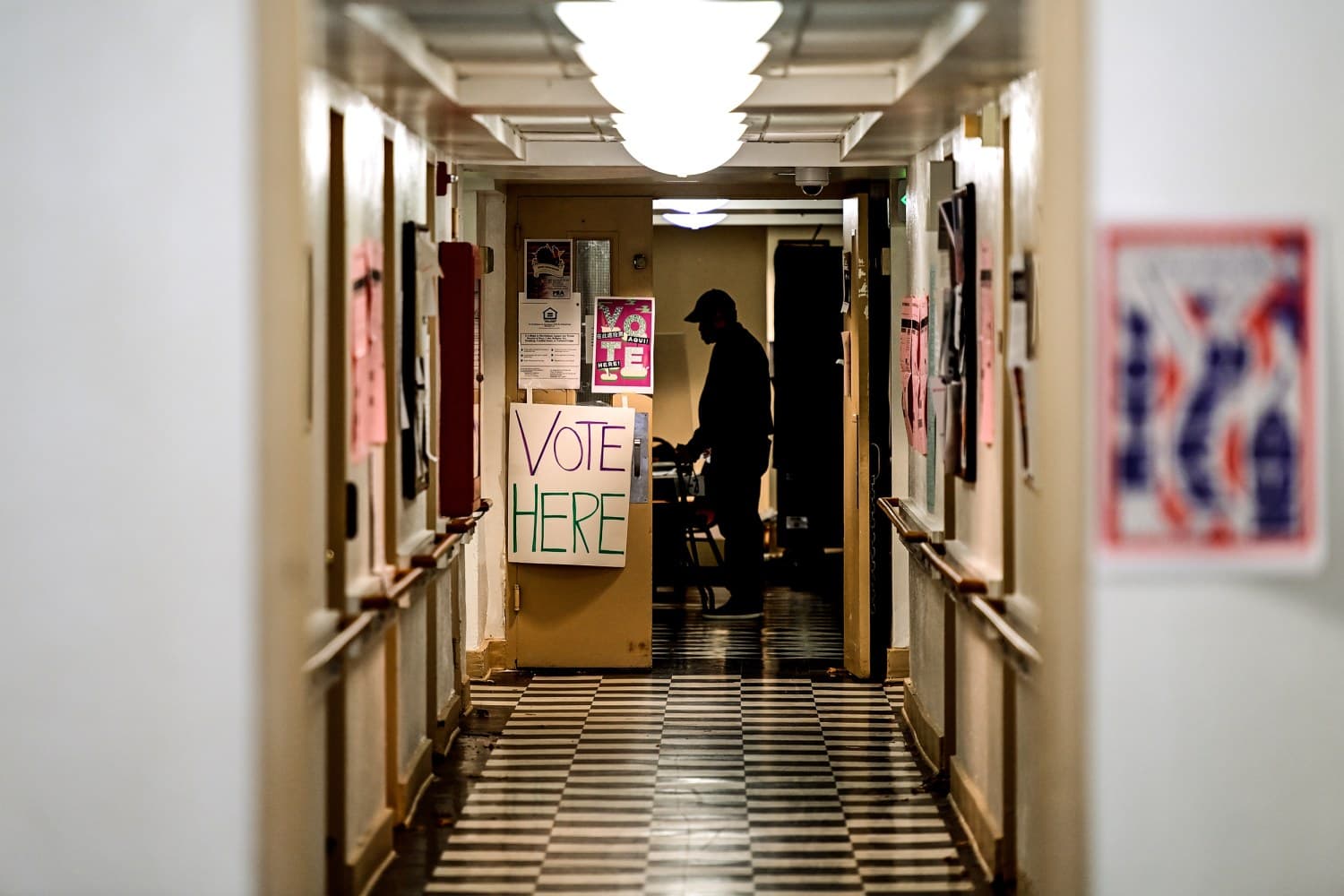
Local election officials entered the midterm cycle with a sharper sense of danger: 50 percent said they were somewhat or very worried that political leaders would interfere with their work, and 32 percent said they had experienced threats, harassment or abuse because of the job.
Those findings came from a Brennan Center for Justice survey fielded from January 27 to February 26, 2026, with 834 local election officials responding and a margin of error of plus or minus 3 percent. The same survey found that 45 percent worried about politically motivated investigations, 52 percent worried about the safety of their colleagues, and 23 percent were concerned about being assaulted at home or at work.
The concern was not confined to personal safety. Seventy-five percent said their state or local government had not added resources to make up for federal cuts to election security support, while 86 percent said training on election security would be beneficial and 83 percent wanted guidance on emerging threats. Eighty percent said their annual budgets would need to grow over the next five years, and 89 percent said they planned to coordinate with at least one other agency or department to prepare for safe and secure midterm elections.
The pressure landed in the middle of a broader political fight over who controls elections. Lawrence Norden of the Brennan Center said election workers had been living with this environment since at least 2020, when threats surged around the pandemic, certification battles and the aftermath of Jan. 6. Scott McDonell, the clerk in Wisconsin’s Dane County, said the new factor was that the pressure now seemed to be coming from the White House itself.
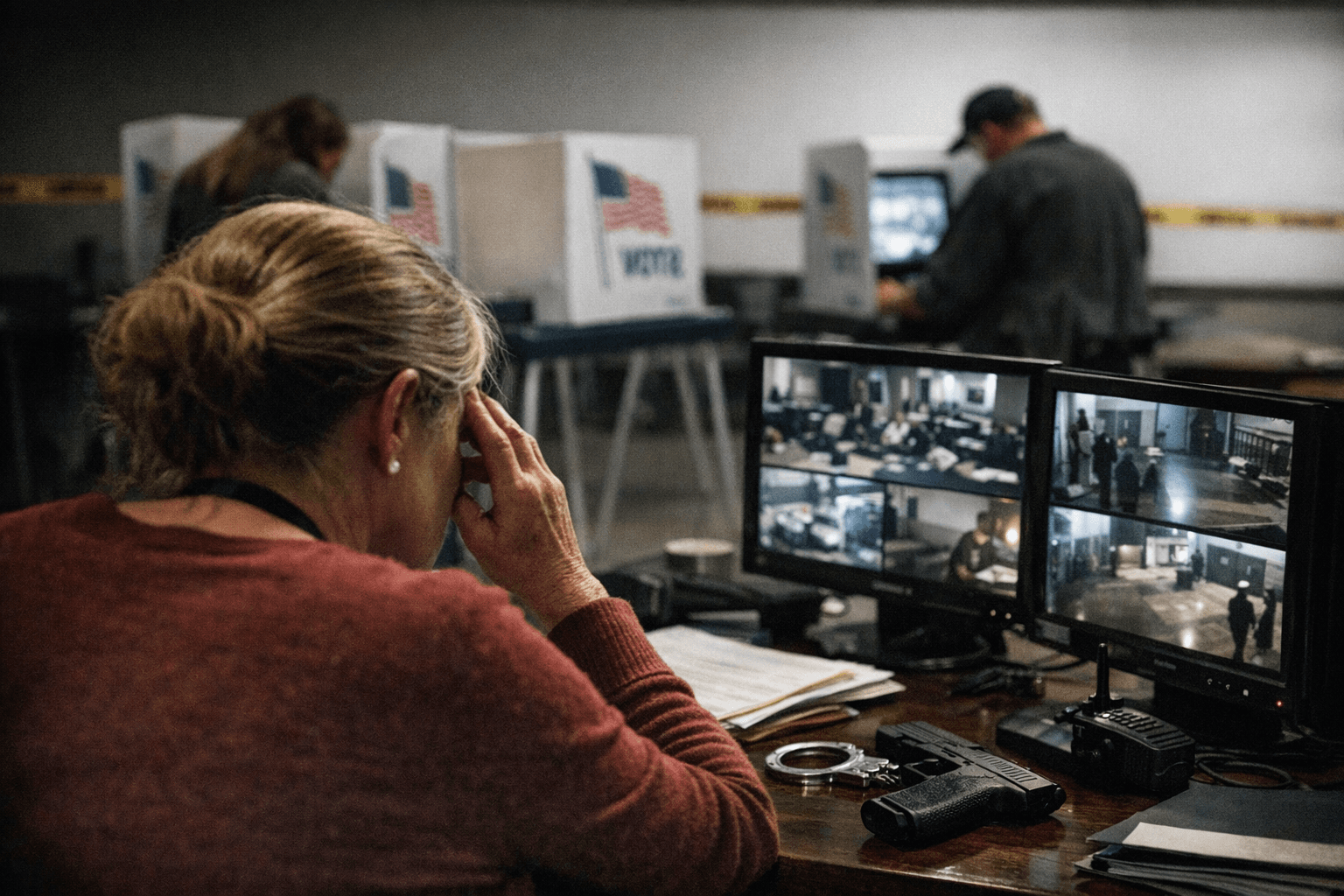
That warning came as President Donald Trump continued to push for greater control over voting and election administration, while the Justice Department and the FBI drew criticism over recent actions involving election offices and access to voter rolls. A White House action in March 2026 directed the attorney general to prioritize investigation and possible prosecution of state and local officials involved in federal election administration, adding to fears that oversight could become a tool of political intimidation.
The trend has been building for years. In 2025, 38 percent of local election officials reported threats, harassment or abuse, and 46 percent were worried about politically motivated investigations. In 2024, 38 percent reported threats, harassment or abuse, and 62 percent were concerned about political leaders interfering with how they did their jobs.
Princeton’s Bridging Divides Initiative said it tracked more than 1,400 unique events involving threats and harassment against local officials from January 2022 through November 2024, including about 170 election-related incidents and roughly 140 aimed specifically at election officials and poll workers. For offices that recruit poll workers, maintain voter rolls, certify results and process ballots, the fear is no longer abstract; it is shaping how election systems prepare, and how long experienced administrators choose to stay.
This article was produced by Prism’s automated news system from verified source data, official records, and press releases, then run through automated quality and moderation checks before publishing. The system is built and supervised by the people who set the standards it runs under. Read our full AI policy.
Did this article answer your question?

