Eli Lilly to buy three vaccine developers in nearly $4 billion deals
Lilly is spending up to $3.83 billion on three vaccine developers, betting GLP-1 profits can buy a place in shingles, Epstein-Barr and surgical infection prevention.
Eli Lilly is making one of its boldest moves beyond obesity and diabetes, agreeing to buy three vaccine developers in deals worth up to nearly $4 billion combined as it tries to turn today’s cash flow into a broader infectious-disease franchise.
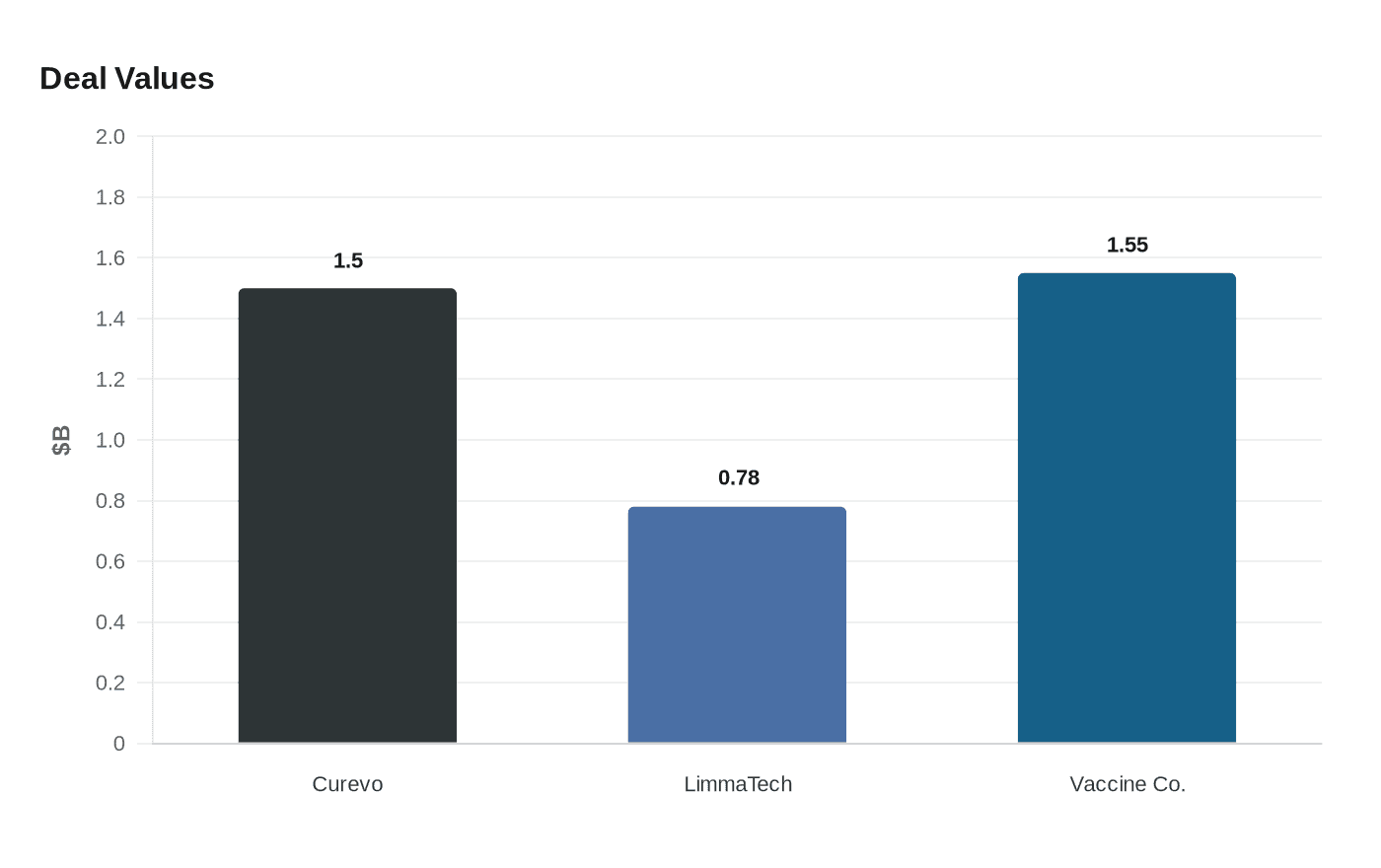
The company said the acquisitions of Curevo Inc., LimmaTech Biologics AG and Vaccine Company, Inc. were meant to expand its research and development pipeline into vaccines and other infectious-disease targets. Reuters reported the maximum values at up to $1.5 billion for Curevo, up to $780 million for LimmaTech and up to $1.55 billion for Vaccine Company, a combined ceiling of about $3.83 billion. Lilly shares rose more than 1% in premarket trading after the announcement, a sign investors were willing, at least initially, to back the spending.

The strategy reaches beyond a single product bet. Lilly said the transactions build on its 150-year history and infectious-disease legacy, including large-scale penicillin production and manufacturing the Salk polio vaccine. Today’s push is aimed at pathogens the company says can drive long-term neurological and oncological risk, as well as bacterial threats that are hard to prevent or treat. Daniel M. Skovronsky, Lilly’s chief scientific and product officer, said the company believes preventing disease at its source is preferable to treating consequences later.
Each acquisition adds a different angle. Curevo’s lead candidate, amezosvatein, is an adjuvanted subunit shingles vaccine. Lilly said Curevo’s Phase 2 data showed fewer side effects, including fatigue, chills and injection-site pain, by more than half versus the current standard of care. Curevo said in January 2025 that its Phase 2 trial enrolled 876 participants age 50 and older, and public trial materials described the study as a randomized, observer-blind, active-controlled comparison with GlaxoSmithKline’s Shingrix.
LimmaTech brings LTB-SA7, a vaccine candidate against Staphylococcus aureus, a leading cause of surgical-site infection. Vaccine Company is developing an Epstein-Barr virus vaccine, putting Lilly into a field with potential implications for diseases linked to later neurological complications and some cancers. Citi analyst Geoffrey Meacham called the move a well-balanced foray into a new area and said the lead assets could validate each platform.
For Lilly, the deals signal a company trying to use its GLP-1-driven financial strength to buy optionality in vaccines before competitors lock up the best science. The immediate cost is large, but the long-term goal is clearer: build a second growth engine in infectious disease and reduce dependence on metabolic drugs that have powered the company’s recent surge.
This article was produced by Prism’s automated news system from verified source data, official records, and press releases, then run through automated quality and moderation checks before publishing. The system is built and supervised by the people who set the standards it runs under. Read our full AI policy.
Did this article answer your question?

%3Amax_bytes(150000)%3Astrip_icc()%2FCertificate-of-deposit-2301f2164ceb4e91b100cb92aa6f868a.jpg&w=1920&q=75)
