Elk Numbers Drop at Feeding Sites in Baker, Union Counties
Mild winter has kept many elk away from Elkhorn feed sites, leaving extra hay in storage and smaller herds at 10 stations, affecting viewing, management and rancher protections.
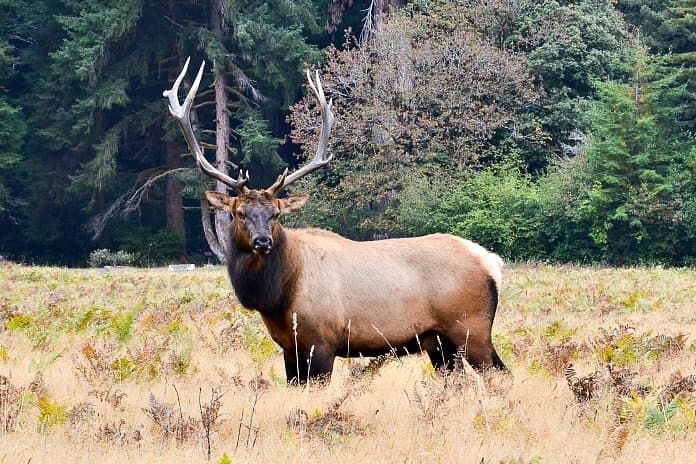
Mild winter conditions have cut elk attendance at the Oregon Department of Fish and Wildlife’s Elkhorn Wildlife Area feeding stations across Baker and Union counties, leaving managers with more hay on hand and fewer animals using the 10 sites than is typical.
ODFW staff say they normally feed nearly 2,000 elk by mid-winter at the series of 10 stations along the eastern base of the Elkhorn Mountains, but this season roughly half as many have shown up daily. The 10 sites can hold about 1,200 to 1,300 tons of alfalfa; in a normal winter crews feed 700 to 800 tons, though extended harsh winters can exhaust the supply.
Field counts this winter illustrate the variability managers are seeing. At the Anthony Creek feed site, on the south side of River Lane about 8.5 miles west of North Powder, Dan Marvin counted about 40 elk on Dec. 21 and about 200 on Dec. 22. Marvin said a more typical total for Christmas week at Anthony Creek is 300 to 350. “The mild winter has definitely slowed down our feeding program,” Marvin said. “Animals have the ability to still forage, and they choose to do so.” He added, “They don’t like being on the feed sites any longer than they have to.”
Anthony Creek and the Old Auburn Road site remain the most popular viewing locations because public roads provide clear views; Anthony Creek includes a small parking area and an information kiosk. The feeding season work begins before Dec. 1 to intercept elk before they move into private haystacks. ODFW created the wildlife area in 1971 to reduce elk pressure on cattle ranchers’ stored hay, and the program continues to be managed with that protection goal.
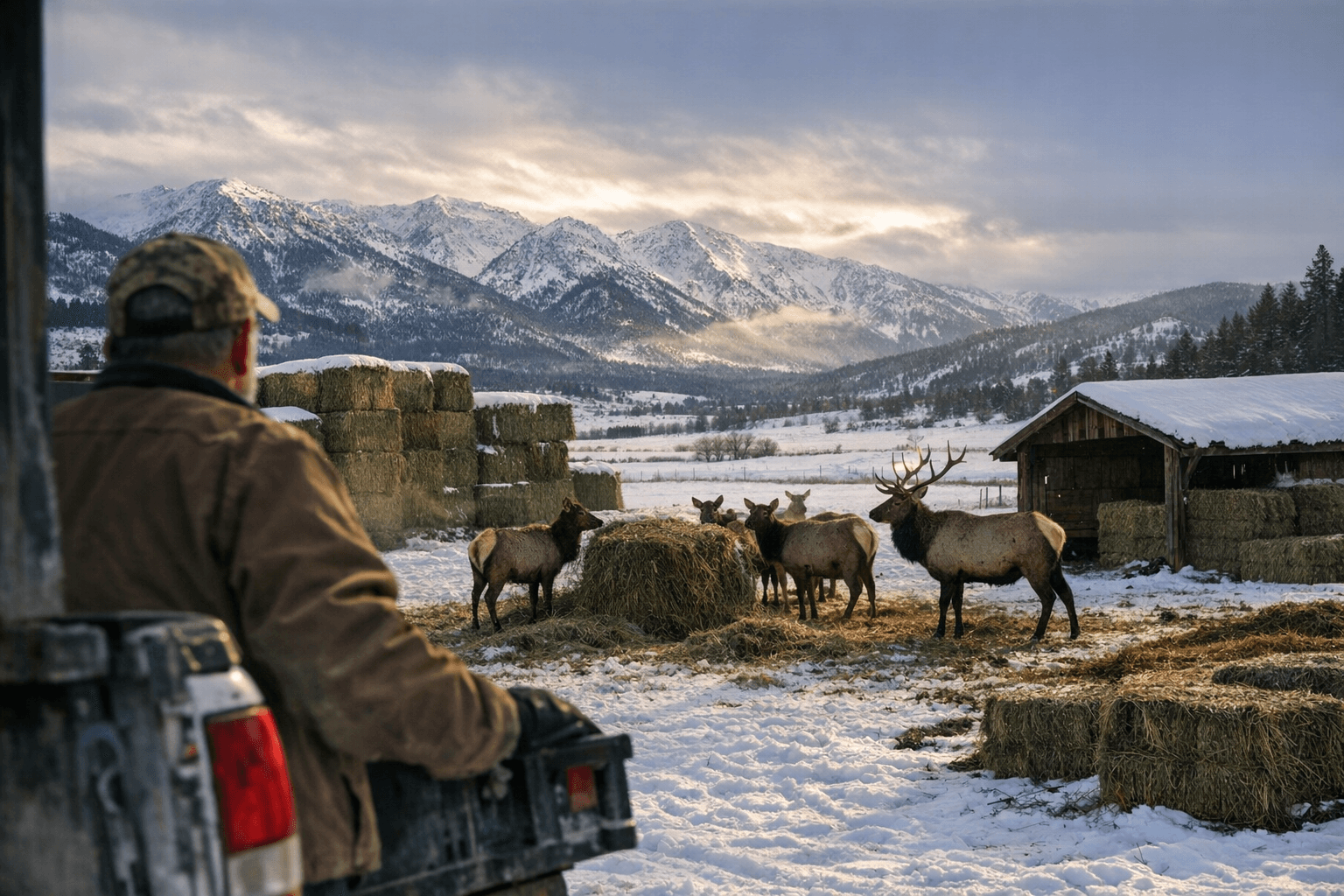
Operationally, wildlife area crews visit each station daily to ensure hay is available. Staff caution that if elk empty a site before they are satiated, the animals may wander until they find ranchers’ bales and can be difficult to coax back to the stations. Feed sites remain closed to the public through April 10 to reduce disturbance and keep the hay reserved for elk and deer.
Separate from the Elkhorn feeding program, Starkey Experimental Forest and Range research in Union County has involved an intentional reduction of a research herd to study competition with mule deer. Darren Clark, Starkey Wildlife Research Program leader with ODFW, summarized the experiment and its purpose: “If deer shift habitat use, will their body condition and fawn survival increase?” BCH reporting notes the Starkey elk herd was reduced from 550 head to 75 over three years and that “With the elk herds reduced by 80%, Clark said Fish and Wildlife will gather its first data set next year from fawns collared in 2021.” Those research numbers are part of a separate study and are not interchangeable with Elkhorn feeding counts.
For Union County residents, the quieter feeding stations mean fewer elk-associated problems this winter but also different conditions for seasonal wildlife viewing. Managers will continue daily monitoring of herds and hay inventories as the season progresses, and ODFW will watch spring movements to see whether warmer winter forage shifts hold or animals return in larger numbers.
Sources:
Know something we missed? Have a correction or additional information?
Submit a Tip