Emma Wilder Releases Practical Step-by-Step Guide for Training High-Energy Dogs
Learn step-by-step routines, brain games, and breed-specific plans to channel high-energy dogs into calm, focused companions.
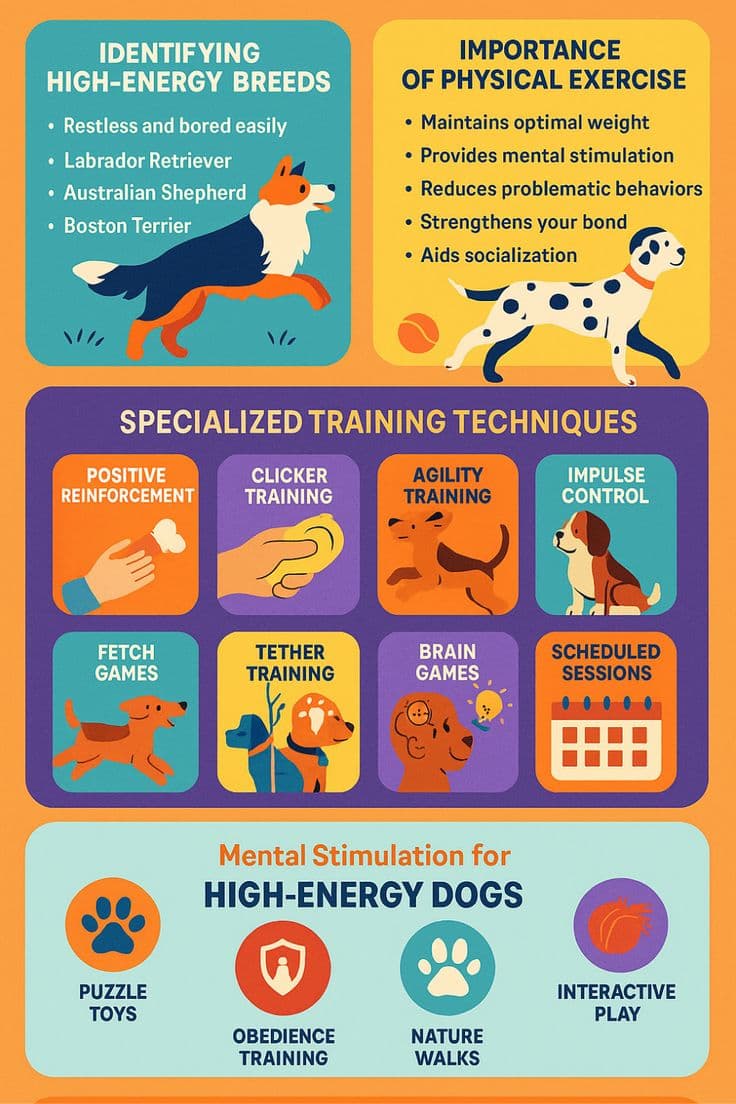
Emma Wilder’s new large-print paperback, Training High-Energy Dogs Made Easy: A Step-by-Step Guide with Routines, Brain Games, and Breed-Specific Plans to Improve Behavior and Create a Calm, Happy Dog, is a practical toolbox for owners who need clear, repeatable strategies to manage active breeds. Below are the core components you can apply today, pulling together evidence-based training structure and trainer-tested routines.
1. Why structured training matters
Training sessions create a perfect setting for dogs to learn new skills while burning off excess energy. Structured work gives your dog predictable cues and measurable progress: short, focused drills build habits, and the physical outlet reduces pent-up arousal that causes pulling, barking, or chewing. Veryimportantpaws (VIP) puts it plainly: "At VIP, we’ve seen how structured training transforms high-energy breeds into well-behaved companions through mental challenges."
2. Positive reinforcement and consistency — the central principle
"## Positive Reinforcement and Consistency in Training" "Positive Reinforcement and Consistency in Training" "Positive Reinforcement and Consistency in Training" Positive reinforcement works wonders for high-energy dogs who need clear signals about what behaviors earn rewards. Keep rewards immediate, variable, and relevant (treats, toys, or play) so your dog connects the desired behavior with payoff. Consistent schedules and cues reduce confusion: use the same verbal prompts, timing, and reward types across family members so your dog learns faster and reliably.
3. How much exercise to plan each day
"How can I effectively reward good behavior? [...] Most energetic breeds need 1-2 hours of exercise daily, split into morning and evening sessions." Follow this numeric guideline: most energetic breeds benefit from 1–2 hours of daily activity, divided into at least two sessions. Splitting exercise into morning and evening helps prevent a single over-stimulating burst and creates natural windows for training and downtime. Use the morning slot for higher-intensity runs or fetch and the evening for calmer activities like leash work and obedience drills to reinforce focus before bedtime.
4. Pair physical exercise with mental challenges
"Physical exercise paired with mental challenges creates the perfect routine for active dogs." Don’t rely on runs alone. Pairing movement with cognitive work—short scent games, pattern recalls, or obstacle navigation—keeps active minds engaged and reduces repetitive, destructive behaviors. VIP trainers note: "We incorporate puzzle toys during downtime and schedule training sessions between play periods." That rhythm—play, brain game, short obedience—creates satisfying cycles of exertion and recovery for your dog.
5. Use puzzle toys and scheduled downtime strategically
"This combination tires out both body and mind." Puzzle toys are your ally when you can’t supervise high-intensity play. Rotate puzzles to keep novelty high, and use them as a calm, focused activity post-exercise or during alone time. Introduce puzzle toys gradually with encouragement and occasional high-value treats so your dog learns the game instead of becoming frustrated; successful problem-solving reduces stress and channels energy constructively.
6. Train commands that require focus
"Our obedience training programs teach commands that require focus, providing dogs with mental stimulation alongside physical outlets." Choose commands that demand attention—look at me, place/settle, wait, and recall under distraction—and practice them in short, daily bursts. Build criteria slowly: first reward for a glance, then for sustained attention, then for obedience with distractions present. Focus-based commands translate into safer walks, controlled play, and easier off-leash opportunities for breeds that were historically given jobs to do.
7. Apply breed-specific plans and practical examples
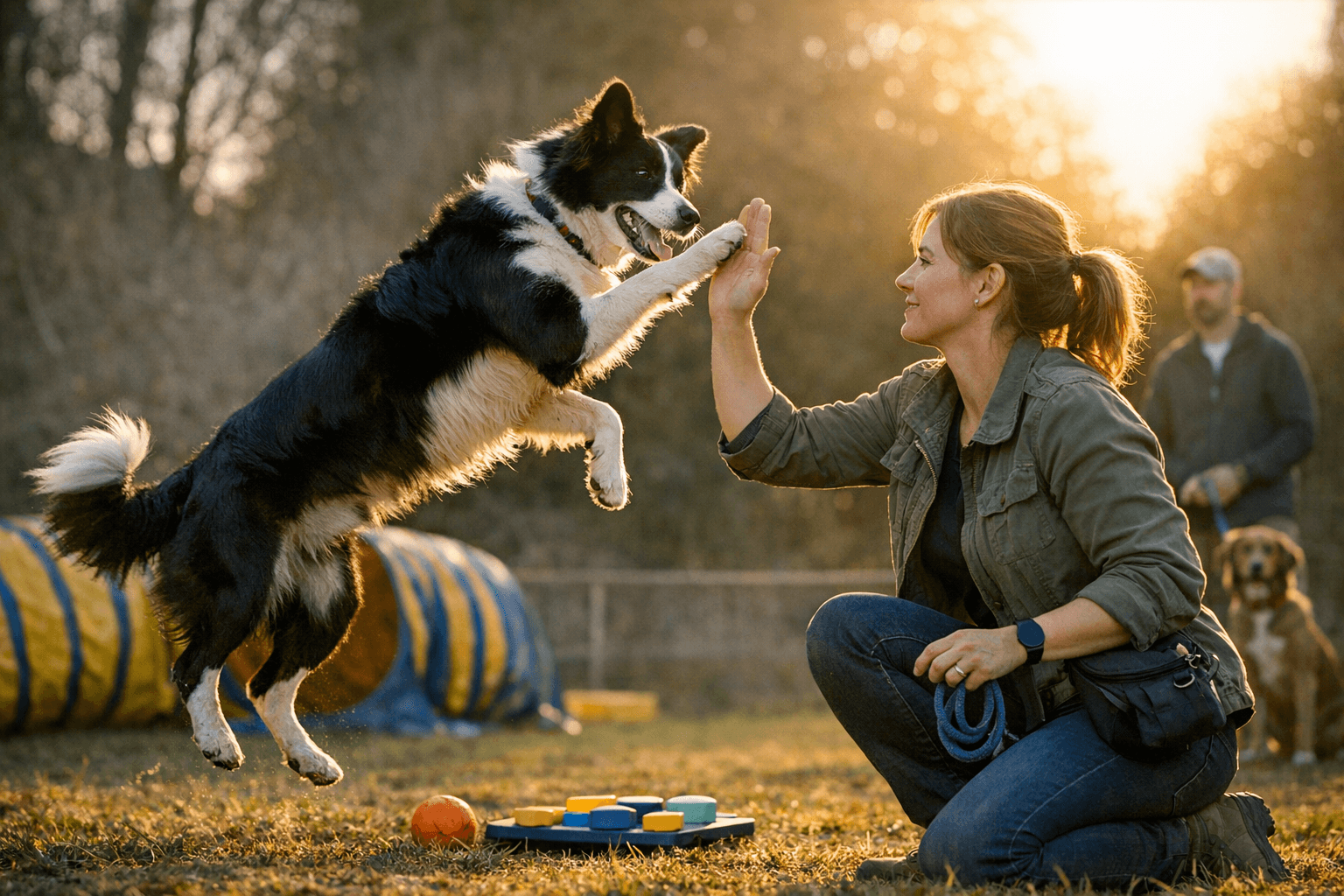
Many high-energy breeds were bred for herding livestock or other working tasks, so they need jobs to feel fulfilled. For example, combining running sessions with puzzle toys has proven effective for Border Collies and Labradors; as VIP observed, "combining daily runs with puzzle toys helps keep active breeds like Border Collies and Labradors happy and well-behaved at our Palm Beach facility." Tailor intensity and tasks to breed tendencies: herding breeds often excel at structured fetch-and-return or target work, while retrievers enjoy scent-driven games and water work.
- Morning: 30–60 minutes high-intensity exercise (run, bike, or structured fetch).
- Midday: Puzzle toy or short brain game (10–20 minutes) during downtime.
- Evening: 30–60 minutes split between a calm walk, obedience session, and a settling exercise.
8. Sample daily schedule and simple routines you can copy
Create predictable windows so your dog knows when to expect work, play, and rest:
Schedule training sessions between play periods to use residual arousal as motivation, and keep sessions short (5–10 minutes) but frequent to reinforce learning without burning out the dog.
9. Troubleshooting destructive behavior and keeping balance
"A well-planned routine satisfies their physical and mental needs, leading to a calmer, happier pet." If you’re seeing chewing, digging, or hyper-vocalization, audit your routine: are exercise sessions long enough, are mental challenges varied, and are rewards consistent? VIP reports that "Our trainers have found that dogs who follow consistent routines exhibit more balanced behavior and fewer destructive tendencies." If problems persist, break tasks into smaller steps, increase mental enrichment, and consult a trainer who can observe context-specific triggers.
10. About Emma Wilder’s guide and publication details
Training High-Energy Dogs Made Easy: A Step-by-Step Guide with Routines, Brain Games, and Breed-Specific Plans to Improve Behavior and Create a Calm, Happy Dog Author: Emma Wilder Format: Paperback (Large Print) Published: January 28, 2026 Product description (retailer listing fragment): "This how-to g" This is the bibliographic information available from the listing; note the product description is truncated in the source material provided. If you want more publisher details (ISBN, full blurb), check retailer or publisher records before citing them in formal notices.
## Conclusion Conclusion - High-Energy Breeds: Strategies For Training Active And Energetic Dogs Conclusion - High-Energy Breeds: Strategies For Training Active And Energetic Dogs
Practical wisdom to take home: set a repeatable routine, split exercise into morning and evening slots, pair movement with brain games, and reward focus consistently. Start small, measure what works for your dog, and build from routine—your energy will likely drop as your dog learns to channel theirs.
Know something we missed? Have a correction or additional information?
Submit a Tip