Empty nesters hit the road, RV living reshaped by work and housing costs
Empty nesters are turning RVs into a financial and emotional fallback, but the road comes with health, housing and loneliness costs.
Why the RV keeps pulling in older adults
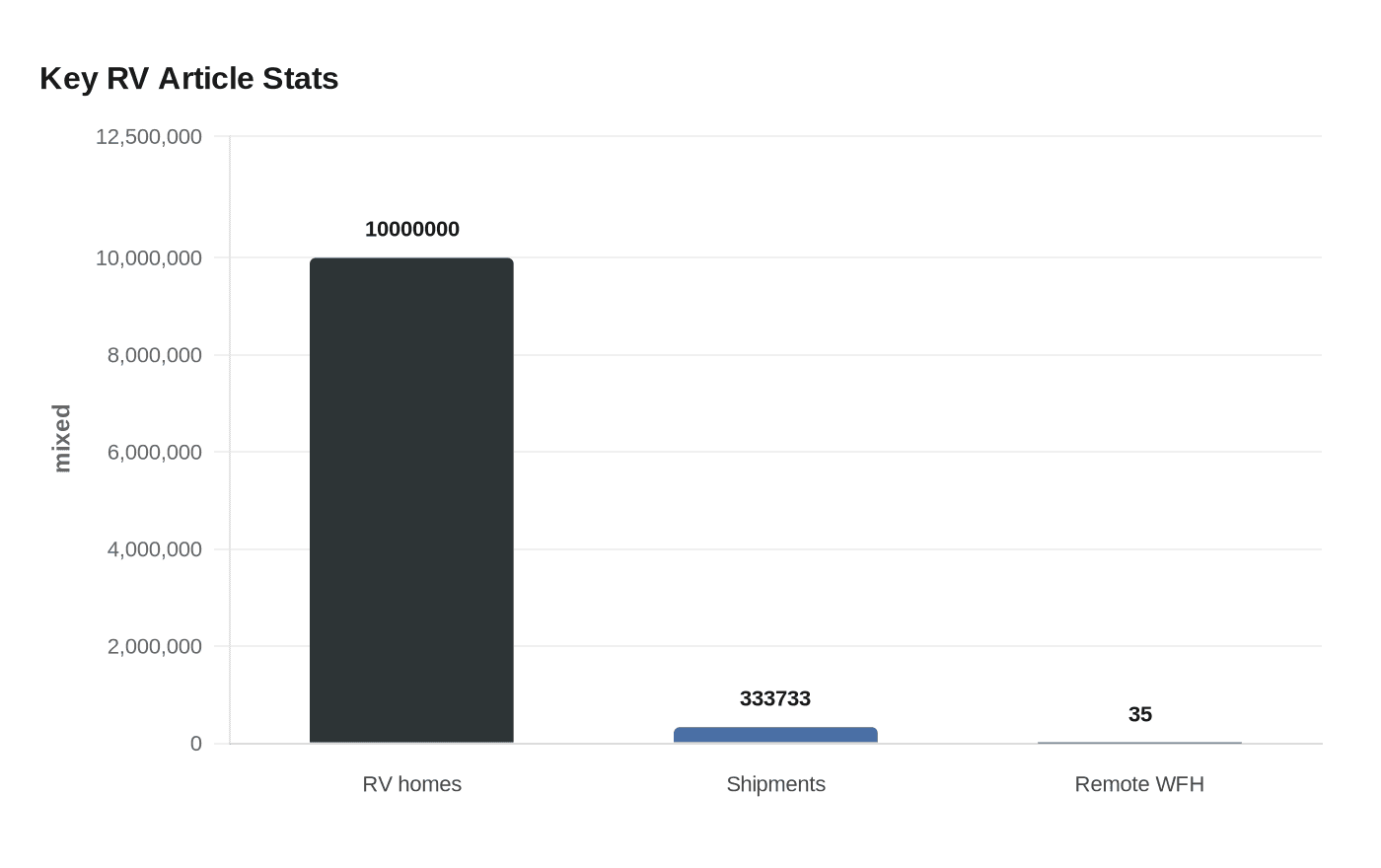
The empty nest is pushing some households toward a different kind of home base: one with wheels. AARP said about 10 million U.S. households owned RVs in 2020, and the majority of owners have traditionally been over 50, with RV ownership especially strong among Americans ages 45-54 and 55-64. The industry remains large enough to support that shift, too, with the RV Industry Association reporting that wholesale shipments in 2024 rose 6.6% year over year to 333,733 units.
That mix of age, inventory and demand helps explain why RV life is no longer a niche retirement fantasy. It is becoming part of the mainstream conversation around what comes after children leave home, especially for couples trying to stretch savings, simplify their lives or postpone a more expensive housing decision. Recent profiles of empty-nester RV couples, including Jeremy Puglisi, Patty Gill, Shane Gill, Andrea Stitt, Dante Reynolds, Aaron Kassraie, Kim Parker and Luona Lin, point to the same underlying shift: once the house is quieter, the next chapter is often negotiated around money, not just mobility.
Work flexibility changed the math
Remote work has made it easier for some families to imagine life without a fixed address. Pew Research Center found that 35% of workers whose jobs can be done remotely were working from home all the time in 2023, a level of flexibility that normalized the idea that work, and place, do not always have to be tied together. For households that no longer need to orbit a school district, that can make a mobile lifestyle feel less radical and more practical.
At the same time, RV living is increasingly tied to housing pressure. NBC News reported in late 2025 that more Americans are living in RVs as housing costs rise, and that some see the move as a way to save money even as they encounter unexpected costs and debt. That distinction matters. For some empty nesters, the RV is a voluntary downsizing strategy. For others, it is a response to a housing market that has made staying put feel less affordable than moving on.
The hidden infrastructure of a life on wheels
Full-time RV life still depends on a surprising amount of paperwork and permanence. RVShare says people who live on the road generally need a legal domicile, which means choosing a domicile state and securing a physical address, often through a mail-forwarding service. That address is needed for driver’s licenses, vehicle registration, insurance, banking, voting and sometimes jury duty.
- a valid domicile state and mailing address
- driver’s license and vehicle registration in that state
- voter registration and, in some cases, jury duty compliance
- mail-forwarding arrangements instead of a simple P.O. box
- a plan for campsite availability and long-term parking
- ongoing RV maintenance and repair budgeting
The practical list is longer than many new RVers expect:
Those details can feel mundane, but they shape whether RV life is sustainable or merely theatrical. A vehicle that functions as a house also has to pass as a legal, financial and civic home, and that requirement can become complicated quickly when a family is crossing state lines.
Health care does not travel as easily as the road does
For older adults, the hardest part of RV living is often not the scenic route but the medical one. Health insurance, campsite availability, maintenance and long-term parking are recurring concerns for full-time RVers, and those concerns grow sharper as people move deeper into retirement. When ownership skews over 50, the stakes include not only convenience but continuity of care, prescription access and the ability to keep up with appointments.
This is where the public health implications come into focus. A mobile lifestyle can create flexibility, but it can also make it harder to stay close to specialists, maintain stable coverage networks or plan for urgent care. The promise of freedom is real, yet it depends on a level of organization that many households never had to manage when they lived in one place year after year.
Community on the road can help, but it is not automatic
The social transition is as important as the financial one. When adult children move out, couples often discover that their routines no longer fit the life they have left behind. RV living can create a new sense of community through campgrounds, shared travel rhythms and the informal neighborhood that develops among people parked close together for days or weeks at a time.
KOA’s 2026 Camping & Outdoor Hospitality Report says more than 52 million North American households camped in 2025, and it estimates a $66 billion economic footprint from camping and outdoor hospitality. KOA also says it operates 500+ campgrounds across North America, which helps explain why the RV ecosystem feels so visible now. The money flows beyond the rig itself, touching campgrounds, repair shops, fuel stops and local businesses built around transient visitors.
Still, the social trade-off is real. A mobile home can offer connection, but it can also produce loneliness, especially when a couple leaves behind the routines, neighbors and familiar anchors of a settled life. The road can widen a person’s world while thinning the daily support network that makes aging feel secure.
What this says about retirement now
For many empty nesters, the RV has become a bridge between one life stage and the next. It can be a way to save for a future house, test whether mobility actually fits, or buy time in a housing market that keeps pushing people toward harder choices. It can also be a coping strategy for households squeezed by rents, mortgages and the rising cost of staying rooted.
That is why the RV story is no longer just about travel. It is about retirement finances, housing policy, caregiving flexibility and the uneven burden of making freedom affordable. The model can work, but only when the hidden costs, from insurance to maintenance to isolation, are treated as part of the package rather than an afterthought.
This article was produced by Prism’s automated news system from verified source data, official records, and press releases, then run through automated quality and moderation checks before publishing. The system is built and supervised by the people who set the standards it runs under. Read our full AI policy.
Did this article answer your question?

