Georgia knew for years carpet mills were poisoning drinking water with PFAS
Officials knew PFAS from northwest Georgia carpet mills had reached drinking water for years, but Calhoun residents were never warned as contamination spread through the Conasauga River.
State officials in Georgia knew for nearly two decades that toxic PFAS from carpet mills in northwest Georgia were moving into rivers that served as drinking water, yet the public was left in the dark. The failure to warn residents meant families kept swimming, cooking and drinking as the contamination spread through a river system that now supplies water to hundreds of thousands of people in Georgia and eastern Alabama.
In Calhoun, Stormy Bost grew up on that water. She swam in creeks, drank tap water and made sweet tea for her family, all while living in the shadow of a multibillion-dollar carpet industry that helped make northwest Georgia a manufacturing powerhouse. Her husband is raising two daughters in the same river town, where stain-resistant products such as Stainmaster and Scotchgard relied on PFAS for years. Later testing found PFAS in Bost’s blood at levels above what national health guidelines consider safe.
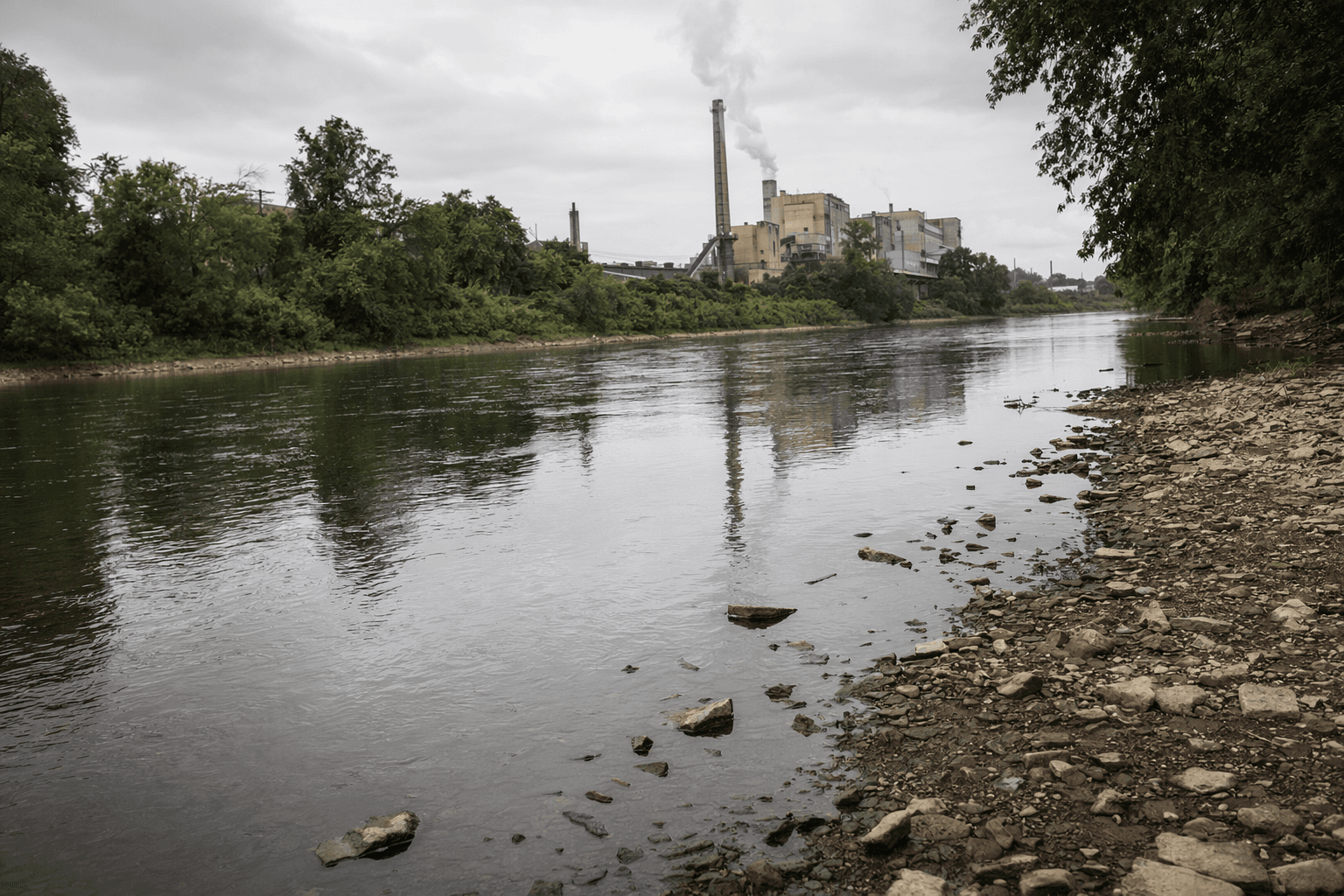
The contamination dates to the 1970s, when mills across the region used PFAS to add stain resistance to carpets. The danger became harder to ignore after University of Georgia testing in 2008 found “staggeringly high” PFAS levels in the Conasauga River, which supplies drinking water for the region. Georgia testing in 2012 and 2016 later confirmed those results, but the state’s Environmental Protection Division did not issue fish advisories or do-not-drink orders.
That silence came even as the federal picture sharpened. The U.S. Environmental Protection Agency issued provisional health advisories for PFOA and PFOS in 2009, updated those advisories in 2022 and finalized the first national drinking water regulation for six PFAS on April 10, 2024. The Agency for Toxic Substances and Disease Registry says PFAS exposure is associated with changes in liver enzymes, higher cholesterol, lower birth weight, kidney and testicular cancer, and pregnancy-induced hypertension. Bost has been diagnosed with liver and thyroid conditions, illnesses researchers have linked to PFAS exposure.
Across northwest Georgia, the costs are personal and cumulative. Residents in the region often know someone whose cancer or other health problems may be connected to the contamination. Some researchers have identified the area as one of the nation’s PFAS hotspots, a place where industrial success and public exposure became inseparable. The result is a lasting breach of trust: a community that supplied a booming industry was never fully told what was moving through its rivers, or what it might do to the people who depended on them.
This article was produced by Prism’s automated news system from verified source data, official records, and press releases, then run through automated quality and moderation checks before publishing. The system is built and supervised by the people who set the standards it runs under. Read our full AI policy.
Did this article answer your question?

