England cricket shaken by Stokes probe and on-field slump
England’s slump is not just a bad fortnight: a Stokes conduct probe, selection churn and Ashes scars now point to deeper damage across the set-up.
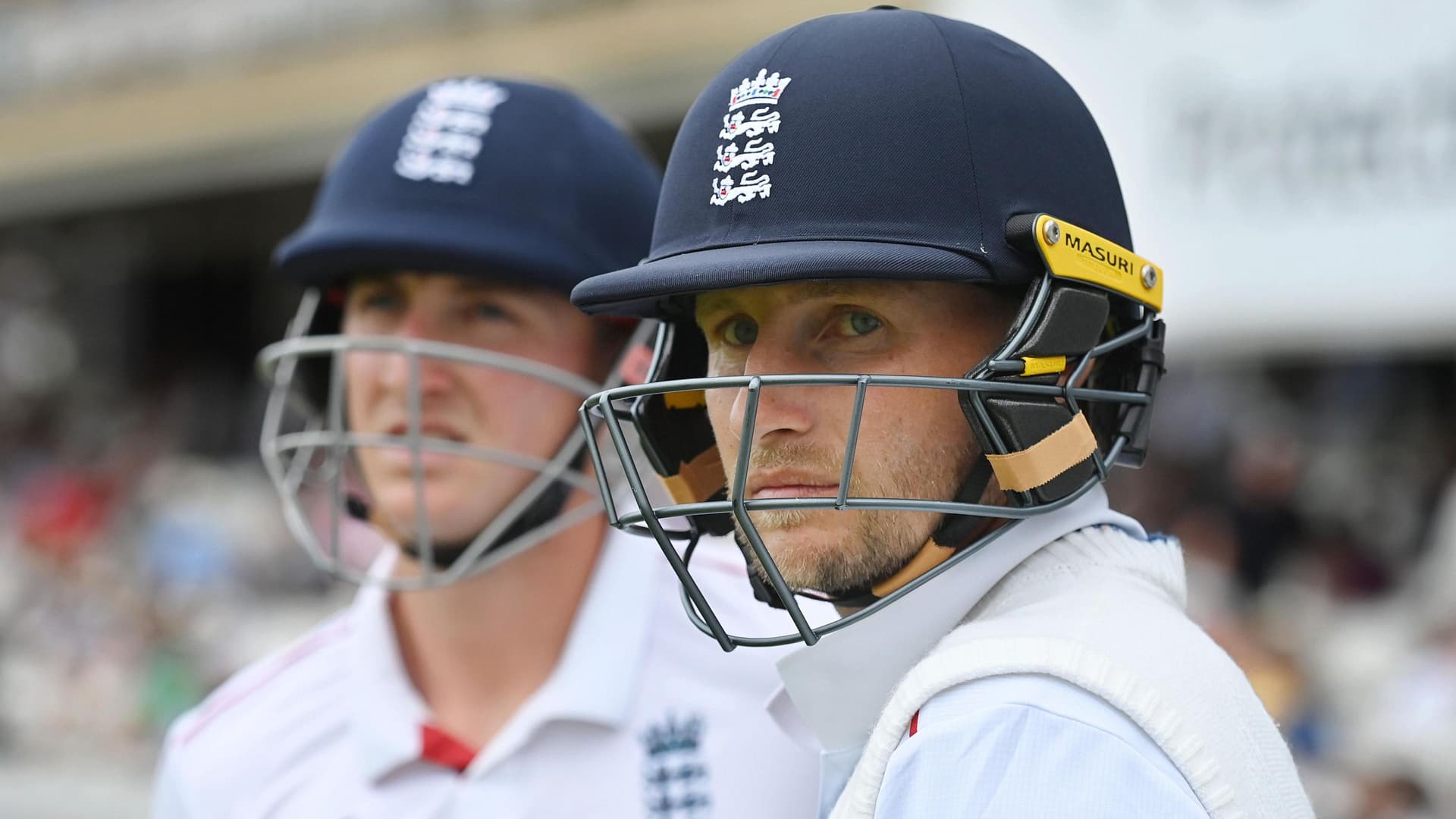
England’s summer has turned into something more revealing than a results dip. A 115-run win over New Zealand at Lord’s was quickly followed by a discipline investigation involving Ben Stokes and Gus Atkinson, and then by a 253-run defeat at The Oval that exposed how quickly the team’s control can unravel.
A problem bigger than one series
The temptation is to treat this as a short-term wobble, but the evidence points to a wider failure across England cricket. The issues are separate, and they should be read separately: there is the tactical failure in the second Test, the selection instability that has forced England to keep reshaping the side, the leadership disruption caused by the investigation, and the structural strain left behind by the Ashes humiliation in Australia.
That distinction matters. England can recover from a poor bowling spell or a misread surface. It is harder to absorb the kind of repeated disruption that suggests the system itself is creating pressure rather than containing it.
The Stokes and Atkinson episode exposed a standards gap
The ECB investigation into Stokes and Atkinson began after a nightclub incident in the early hours of Monday morning following the first Men’s Test against New Zealand. The governing body said the pair were not made available for the second Test while the inquiry continued, and later confirmed they had breached specific contractual obligations requiring England players to maintain the highest standards of conduct and act in the best interests of England cricket.
The final sanction was written warnings rather than a harsher punishment. Both players were also cleared of violent conduct and restored to the squad for the third Test at Trent Bridge, which begins on June 25. Brendon McCullum has said Stokes will be back and will captain the side again.
That outcome closes the disciplinary case, but it does not erase the damage. England were left to explain why their captain and one of their pace bowlers were unavailable in the middle of a Test series because of a breach of team protocols. For a side already trying to reset after an Ashes collapse, that is not a small administrative issue. It is a sign that the culture around the team still leaves room for avoidable crises.
Root’s return underlines how unstable the leadership picture has become
Joe Root was brought back as interim captain for the second Test after Stokes was made unavailable. Root had already stepped down from the role in 2022 after captaining England in 64 Tests, and his return was less a nostalgic flourish than an emergency measure.
That alone tells its own story. England have built the current era around Stokes and McCullum, with a style that relies on clarity, trust and momentum. But the need to reinstall Root, even temporarily, showed how brittle that model becomes when one of its central figures is removed. Leadership continuity is not a minor detail in international cricket. It shapes field settings, bowling rotations, batting tempo and the mood of a dressing room under pressure.
The fact that Root had previously overseen a run of one win in his final 17 Tests in charge only sharpens the point. England were not simply borrowing a familiar face. They were reaching for stability because the preferred structure had been interrupted.
Selection churn has become part of the story
If the off-field issue undermined authority, the on-field response made selection look reactive rather than settled. England’s second Test XI featured three debutants across the week after further reshuffling: Jordan Cox, Sonny Baker and James Rew. Rew was called in after Jamie Smith withdrew following the birth of his second child.
There is nothing inherently wrong with giving opportunities to new players, especially when injuries, absences or personal leave alter the picture. But when debutants are arriving inside an already unstable series, the cost is continuity. Partnerships take time to build. Plans for wicketkeepers, seamers and middle-order batters become provisional. The team can still function, but it has to work harder to do so.
Rew’s call-up also highlights a quieter truth about modern elite sport: players are still human beings with family responsibilities, and the system has to adapt around those realities. Smith’s withdrawal on paternity leave was entirely different in nature from the disciplinary episode, but together they left England improvising at both ends of the selection sheet.
The second Test showed tactical weakness, not just bad luck
England’s 253-run defeat at The Oval was not a narrow miss or an unlucky finish. New Zealand posted 391 and 362, then beat England’s 291 and 209. Matt Henry took 11 wickets in the match, including career-best figures in a Test, and England never found a sustained answer to his control and movement.
This was the part of the story that is easiest to overread. Yes, tactical errors mattered. Yes, England may have misjudged match conditions, bowling plans or the shape of the attack. But tactical errors become more damaging when the team is already in flux. A stable side can sometimes ride out a bad session. A side dealing with leadership interruption, squad reshuffling and a public conduct inquiry tends to feel every mistake more sharply.
That is why the second Test should not be treated as proof that England’s style has failed in itself. It showed that the style is fragile when the personnel changes, the captaincy is interrupted and the pressure rises at the same time.
The Ashes defeat is the deeper warning
The New Zealand series is only the latest chapter in a much harsher backdrop. England lost the 2025-26 Ashes 4-1 in Australia after the final Test in Sydney in January 2026. Australia retained the Ashes in just 11 days of action, and England’s only win came in the fourth Test in Melbourne.
That is not a one-series slip. It is a warning that England have been outplayed across formats and contexts, and that the problems travel. When a team loses that heavily in Australia and then immediately finds itself dealing with disciplinary disruption and a home-summer collapse, the question becomes less about form and more about direction.
The ECB has already said it will carry out a thorough review and that necessary changes will follow the Ashes defeat. That review now carries extra weight. England do not need cosmetic adjustments or another short-term reset. They need a structure that can separate standards from sentiment, selection from panic, and leadership from improvisation.
What the Trent Bridge Test really represents
The third Test at Trent Bridge is not just a decider against New Zealand. It is a test of whether England can restore discipline, settle their XI and show that the current regime still has a coherent plan. Stokes’s return as captain will bring authority back to the middle, but authority alone will not solve the larger problems.
England’s challenge is to prove that the failures of the last two weeks were not symptoms of a wider drift. If they cannot do that, the story will not be about one poor stretch of cricket. It will be about a national side whose standards, selections and structures are all being questioned at once.
This article was produced by Prism’s automated news system from verified source data, official records, and press releases, then run through automated quality and moderation checks before publishing. The system is built and supervised by the people who set the standards it runs under. Read our full AI policy.
Know something we missed? Have a correction or additional information?
Submit a Tip