England schools stay open as heat alerts warn of health risks
Heat alerts covered London and much of southern England as schools stayed open, and parents still faced fines if they kept children home without authorization.

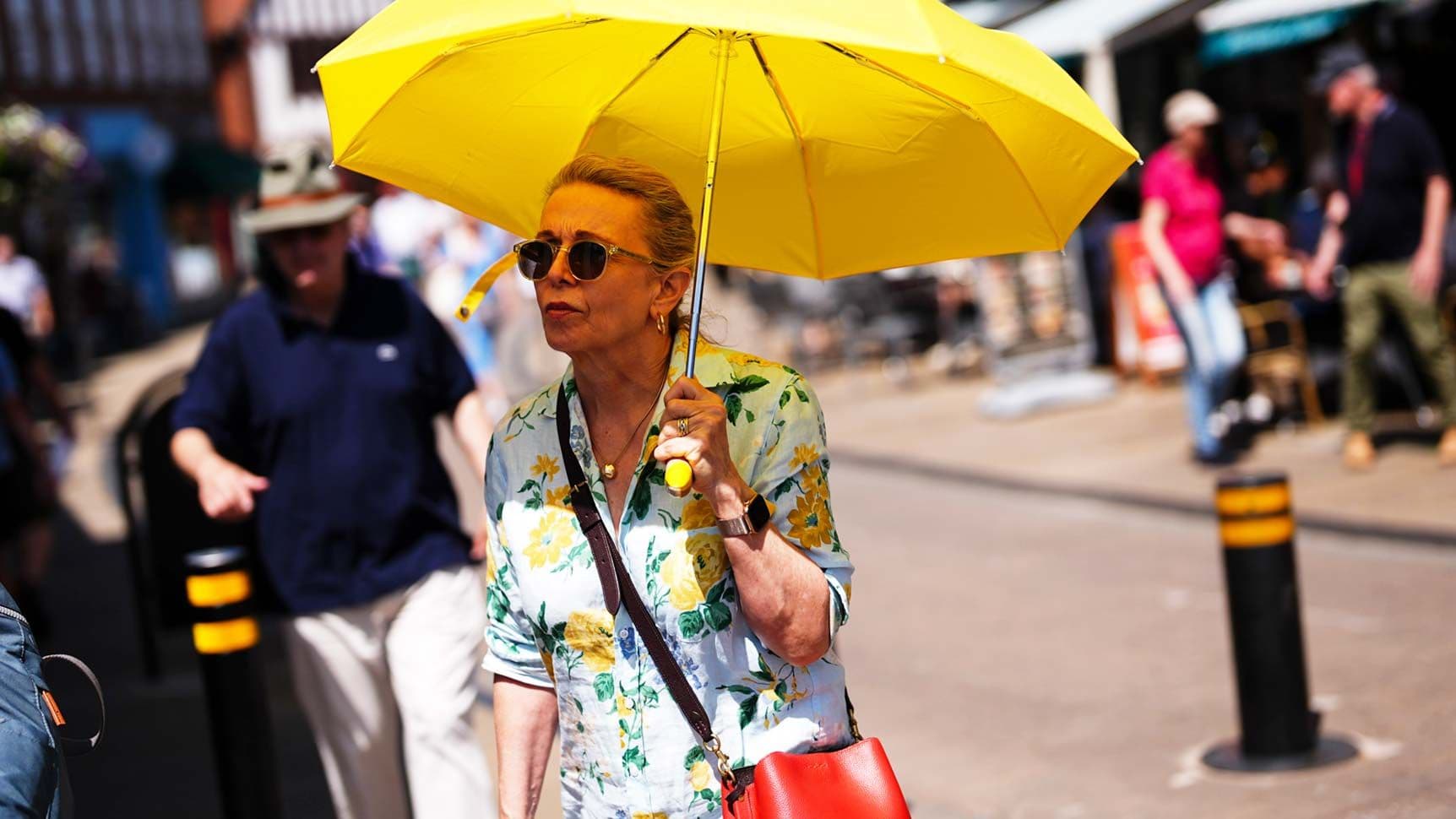
Extreme heat did not trigger a general shutdown in England. Schools stayed open even as UK Health Security Agency and Met Office alerts warned that rising temperatures could threaten health, especially for younger children and people with medical conditions.
The Department for Education says schools do not normally advise closing in hot weather because attendance is central to learning and heat can usually be managed safely. Instead, school leaders are told to act on the conditions in front of them, using heat-health alerts to guide decisions and making pupils more comfortable by relaxing uniform rules, encouraging loose, light-coloured clothing and sunhats, and planning extra support for children and staff with complex health needs.
On Tuesday, an amber heat-health alert was in force for the East of England, the South East, the South West and London until 8pm, while the West Midlands and East Midlands were under a yellow alert. The UKHSA heat-health alerts dashboard also showed red and amber alerts due to run from 1am on Wednesday 24 June until 11pm on Thursday 25 June across multiple English regions.
That leaves families with a hard reality: keeping a child off school without authorisation can lead to prosecution. Since 19 August 2024, England has used a national penalty-notice framework for unauthorised absence. The first notice is £80 per parent per child if paid within 21 days, rising to £160 if paid between days 22 and 28, and schools or local authorities can consider a penalty notice once a child reaches 10 school sessions of unauthorised absence.
The guidance places a strong emphasis on planning, not avoidance. Official advice says children are more susceptible to heat-related illness than adults, and that pupils and staff with medical needs may need extra arrangements when temperatures climb. For families worried about a child’s health, the practical question is not whether the school can be skipped, but what adjustments the school can make to keep attendance safe.
Workplaces are shaped by a similar balance of rights and duties. There is no legal maximum or minimum temperature in UK workplaces, but employers still have a duty of care to keep temperatures reasonable and carry out risk assessments. The Health and Safety Executive says heat stress begins when the body’s ability to control its internal temperature starts to fail, and Acas says employers should plan for extreme temperatures, reduce risks, relax dress codes where appropriate, provide extra breaks and supply cooling measures such as fans or air conditioning.
Outdoor workers face the sharpest risk. The Health and Safety Executive says construction sites and other high-heat jobs must also provide protection from adverse weather, making heat a workplace safety issue as much as a comfort issue.
This article was produced by Prism’s automated news system from verified source data, official records, and press releases, then run through automated quality and moderation checks before publishing. The system is built and supervised by the people who set the standards it runs under. Read our full AI policy.
Did this article answer your question?


