England’s youth clubs shrink as councils cut funding further
Council spending on youth services in England has fallen to £408.5 million, and surviving clubs are being rebuilt as places for mentoring, safety and mental health support.
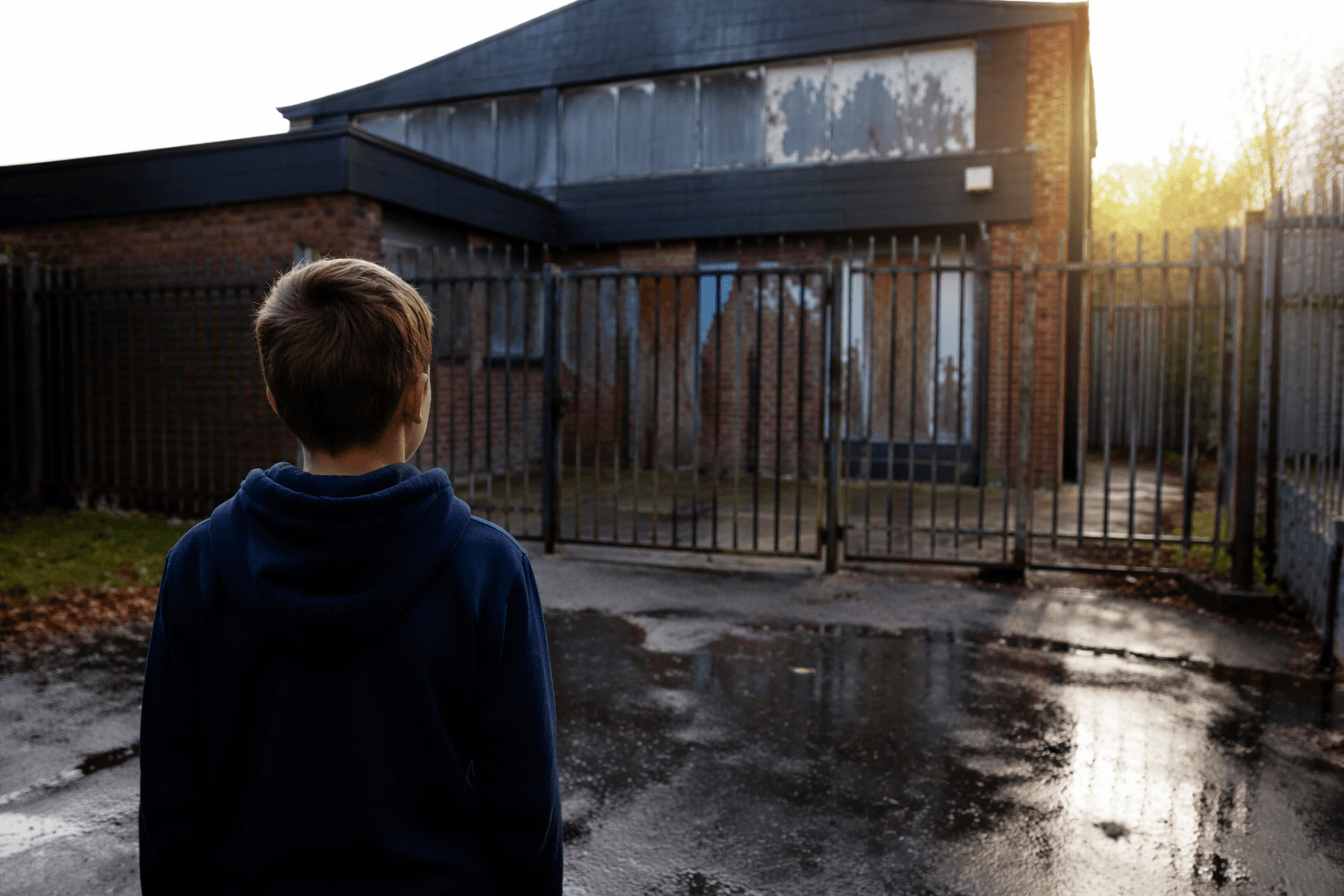
Council spending on youth services in England has fallen in real terms from £1,058.2 million in 2011 to £408.5 million in 2021, leaving hundreds of youth clubs closed and the rest under pressure. The surviving clubs are acting as the offline institutions that can still do what social media cannot: de-escalate violence, build trusted adult relationships and offer measurable support to young people at risk.
The number of youth clubs operating in local authorities nearly halved between 2011/12 and 2018/19, and 34% of local authorities cut real-terms youth provision spending by more than three quarters between 2011 and 2021. YMCA England & Wales puts councils in England’s youth-services spending at £419 million in 2024-25, a 10% fall in a single year, and real-terms local authority funding across England and Wales has dropped 76% since 2010-11, a loss of £1.3 billion.
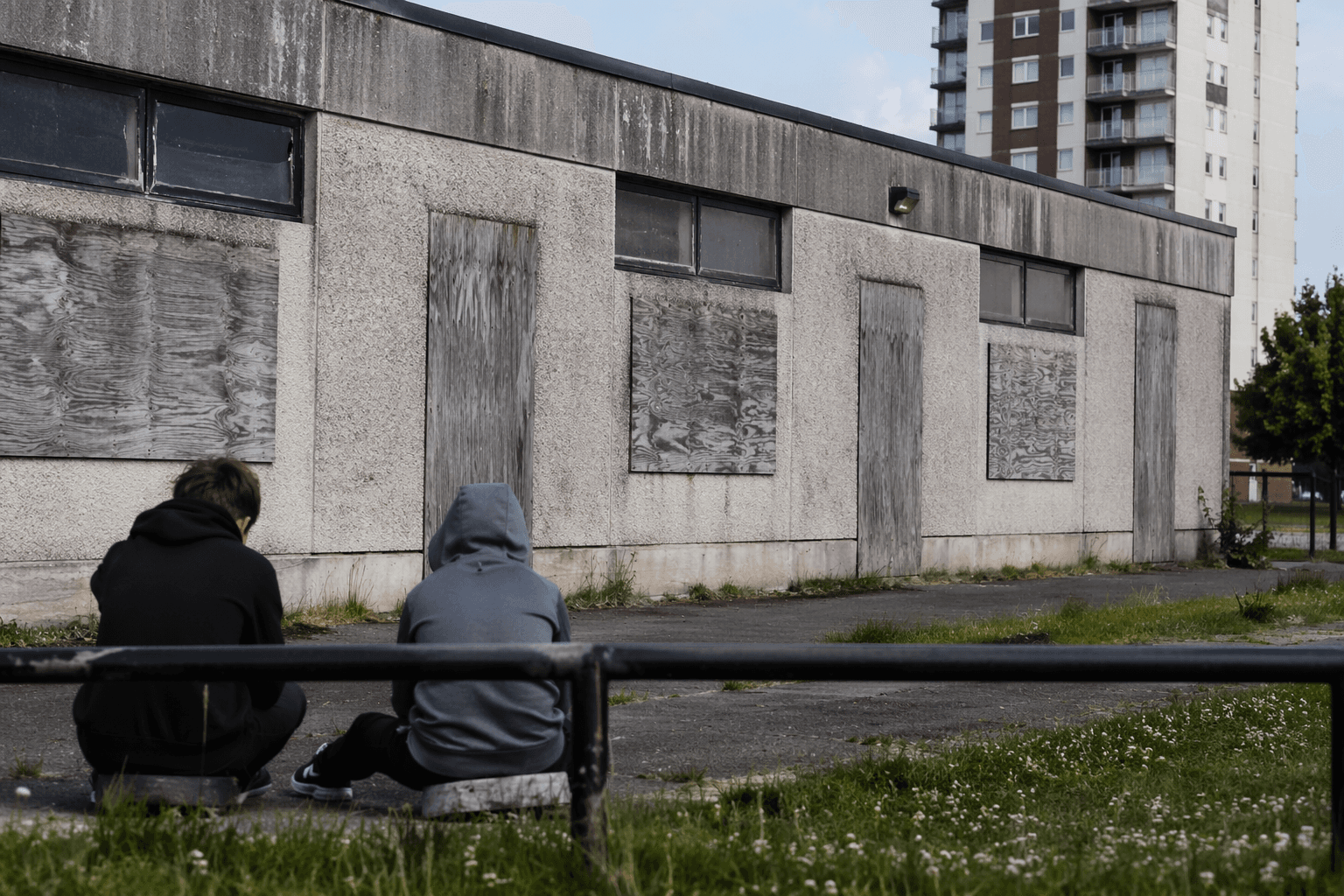
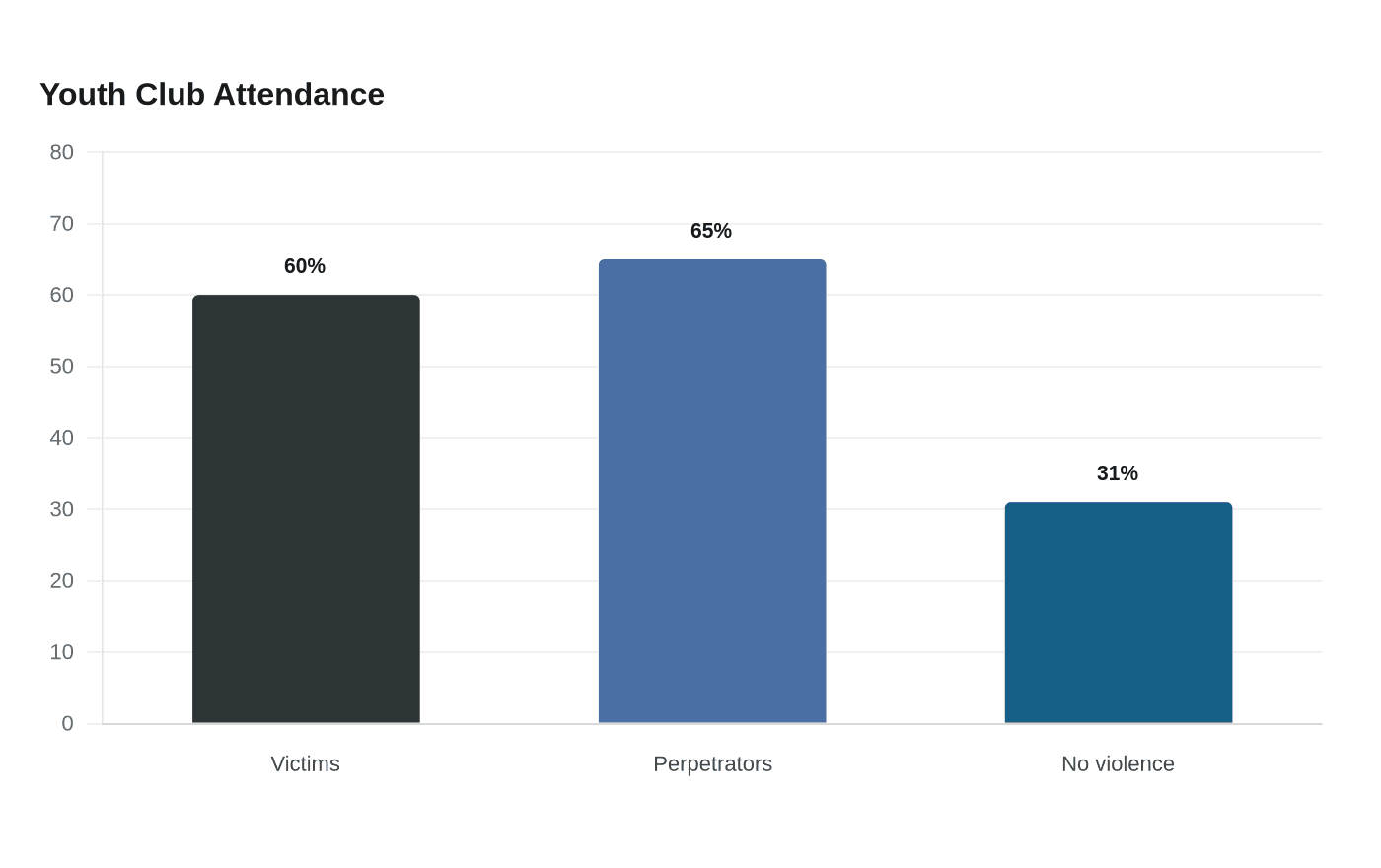
The National Youth Agency calls youth workers a “golden thread” in prevention and safeguarding, and Youth Endowment Fund research found that young people directly affected by violence are far more likely to attend youth clubs than those without that experience. In that study, 60% of young victims and 65% of perpetrators of violence attended youth clubs, compared with 31% of those without direct experience of violence.
In a National Youth Agency-reviewed survey, 39% of youth workers said they had helped children exit gangs, 65% said they had de-escalated situations that could have led to violence, and 73% said they had provided informal mentoring to young people at risk of violence or crime.
The government launched the National Youth Strategy in December 2025 after co-producing it with more than 14,000 young people aged 10 to 21 in England, and those with SEND up to age 25. It also announced more than £500 million of new youth funding in 2025, including a £350 million Better Youth Spaces programme to build or refurbish up to 250 youth facilities and provide equipment for around 2,500 youth organisations.
The Children's Society’s Good Childhood Report 2024 shows children’s wellbeing continues to decline, while the government’s youth evidence base links participation in youth provision with better short-term physical health, wellbeing, pro-social behaviour and education.
This article was produced by Prism’s automated news system from verified source data, official records, and press releases, then run through automated quality and moderation checks before publishing. The system is built and supervised by the people who set the standards it runs under. Read our full AI policy.
Did this article answer your question?