English local elections set to expose Labour’s vulnerabilities statewide
Voters will choose leaders in 172 English councils and six mayoral races after ministers dropped a plan to postpone 30 contests, sharpening pressure on Labour.
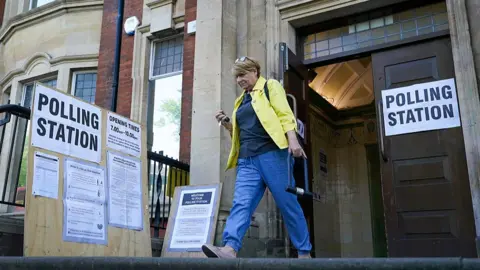
Labour is heading into a local election test that stretches far beyond a routine set of council contests. Voters across 172 English local authorities, including 32 London boroughs, will go to the polls on Thursday May 7, 2026, alongside elections for six local authority mayors, giving opponents a wide stage to measure the party’s support.
The scale matters because it turns these elections into a national reading on Labour’s strength, not a series of isolated local verdicts. The government first moved to postpone 30 of the May elections because of local government reorganisation, then reversed that decision in February after legal advice. The result is that all of the elections will now go ahead in May, even as the reorganisation process continues to reshape local government in England. The Ministry of Housing, Communities and Local Government has also confirmed £63 million in fresh funding for councils across 21 reorganisation areas to help manage the transition.
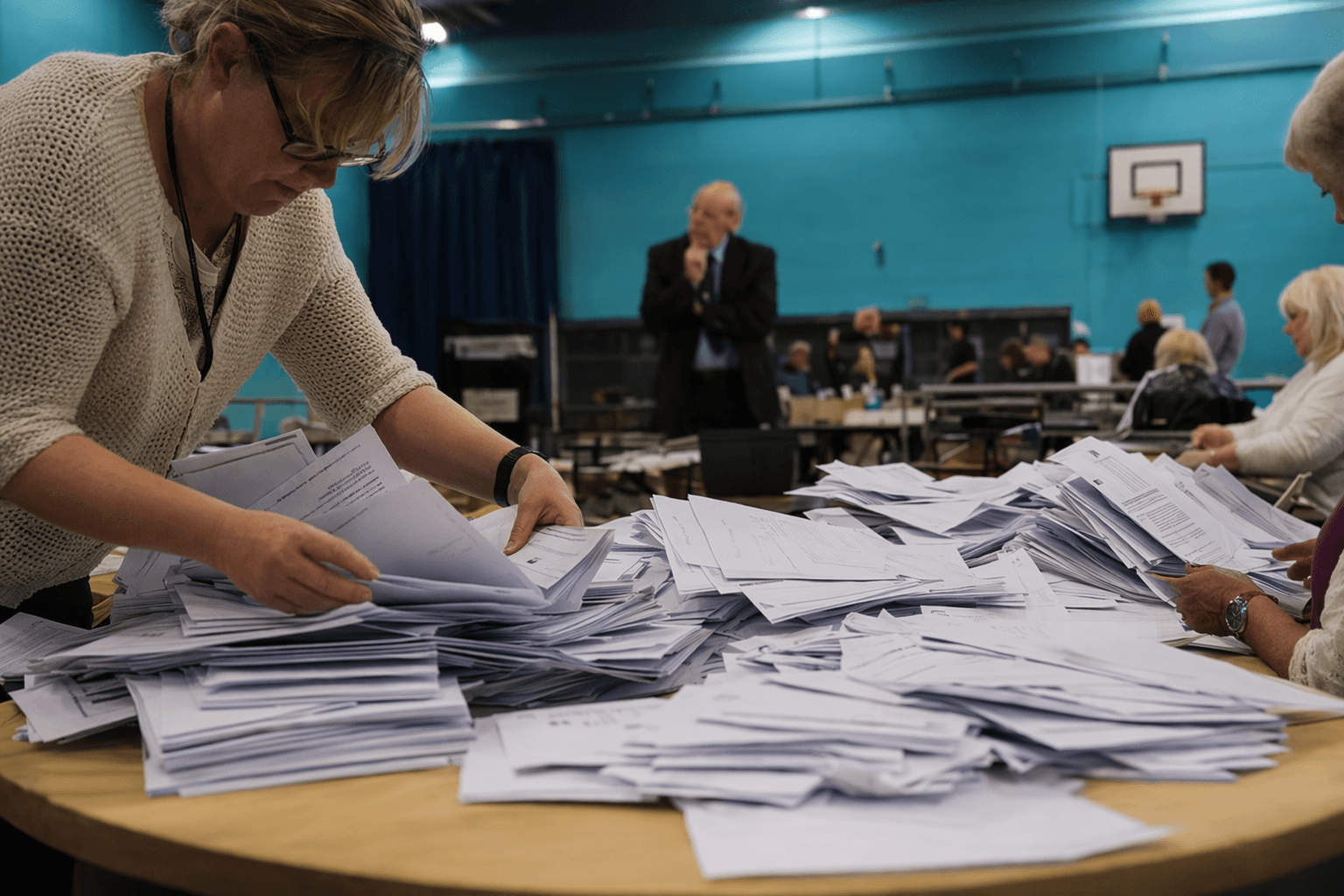
That backdrop gives Labour little room to hide if results turn sour. The contests will be watched as a measure of whether voters who backed the party last year are holding steady or drifting away under pressure from issues that often bite hardest at local level, including council tax, services and confidence in administration. In this round, the chief danger for Labour is not just losing seats, but revealing where its coalition is weakest, especially in places where voters are already willing to look elsewhere for change.

Ipsos has found that Britons expect Reform UK and the Greens to do well in the coming local elections, and that confidence in the main parties’ ability to run either the country or local councils is low. That is a telling combination for Labour. It suggests the party is being judged not only on national policy, but on competence, with Reform UK seen by voters as similarly credible to Labour on the question of who can run the country and local government effectively.
The precedent is warning enough. In 2025, more than 1,600 seats were contested across 23 councils, alongside six mayoral elections and the Runcorn by-election, and Reform UK emerged as a major winner. This year’s much larger map offers an even broader opportunity for protest voting and localised revolt. For Labour, that makes the English local elections less a midterm checkpoint than an early-warning system, with the potential to show where support is softening well before the next general election.
This article was produced by Prism’s automated news system from verified source data, official records, and press releases, then run through automated quality and moderation checks before publishing. The system is built and supervised by the people who set the standards it runs under. Read our full AI policy.
Did this article answer your question?

