EPA sends California vehicle emissions rules to Congress for repeal
EPA moved to erase California's clean-car authority, a shift that could reset EV timelines in 12 states and Washington, D.C., and ripple through the national auto market.

The Environmental Protection Agency moved to put California’s vehicle emissions authority on a repeal track, a step that could reach far beyond Sacramento and reshape the rules guiding the U.S. auto market. By sending four California waiver rules to Congress under the Congressional Review Act, the agency escalated a fight over who sets clean-car policy, and whether states can still push the industry toward more electric vehicles when Washington is moving the other way.
California’s power to set tougher standards comes from the Clean Air Act, which allows the state to seek EPA waivers from federal preemption. The EPA said the waivers should have been transmitted to lawmakers, and that no California rule may be enforced without EPA approval. The package includes California’s Advanced Clean Cars I framework, along with other waiver-backed rules affecting cars, trucks, lawn mowers and additional equipment used every day.
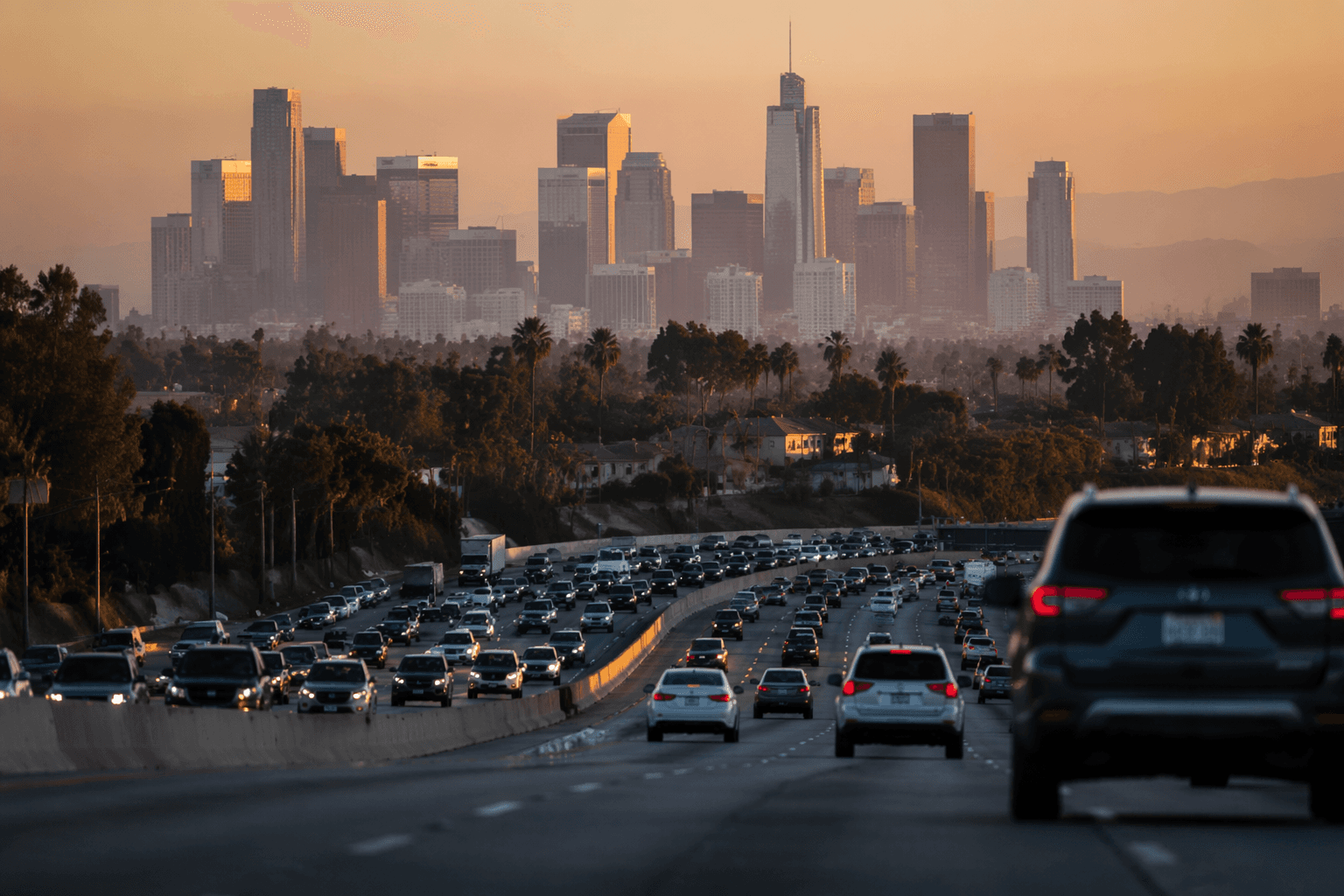
The stakes are highest for Advanced Clean Cars II, the current California program approved in 2022 under the Biden administration and still in effect. Under that plan, 100% of new passenger vehicles sold in the state must meet zero-emission standards by the 2035 model year, including plug-in hybrids. The California Air Resources Board said the 2022 process increased smog-causing criteria-pollutant standards and did not change its greenhouse-gas standards. California has used that authority for decades, and its rules have often become de facto national benchmarks because other states can follow them under Section 177 of the Clean Air Act.
That ripple effect is already visible. Industry and policy trackers say 12 states plus Washington, D.C., have adopted Advanced Clean Cars II, with some requirements beginning in the 2026 model year and others in 2027. Environmental advocates say the package has major public-health value: the American Lung Association said ACC II, Low NOx Trucks and related requests would generate $116 billion in public-health benefits and save more than 11,000 lives in California over the implementation period.
The EPA’s move also lands amid a broader legal assault on California’s rules. In March, the Transportation Department sued the California Air Resources Board over zero-emission vehicle and greenhouse-gas regulations. California officials had already framed the fight as a response to federal interference, with Governor Gavin Newsom signing Executive Order N-27-25 on June 12, 2025 after what CARB described as illegal federal actions purporting to revoke California’s waiver. If Congress follows through, one of the most important state tools for cutting vehicle pollution could be weakened; if it does not, the battle is likely to continue in court and in future administrative action.
This article was produced by Prism’s automated news system from verified source data, official records, and press releases, then run through automated quality and moderation checks before publishing. The system is built and supervised by the people who set the standards it runs under. Read our full AI policy.
Know something we missed? Have a correction or additional information?
Submit a Tip