Troy claims the real man behind America’s Uncle Sam
Troy is staking a claim to Uncle Sam’s real-life roots, tracing the symbol to Samuel Wilson, a meat packer whose wartime barrels stamped U.S. sparked a national legend.
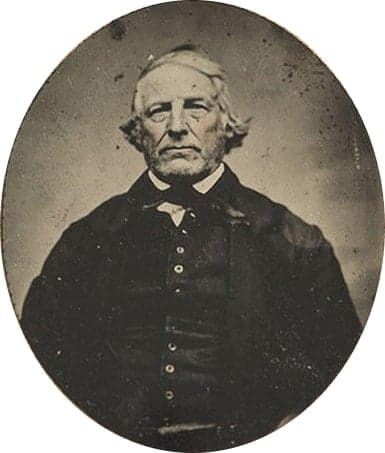
In Troy, the story of Uncle Sam begins not with a cartoon, but with Samuel Wilson, a meat packer whose name became one of the country’s most durable symbols. The legend traces back to the War of 1812, when Wilson shipped beef to the U.S. Army in barrels marked U.S. for United States, and soldiers supposedly turned that label into a nickname that spread far beyond the Hudson River city.
Wilson was born on September 13, 1766, in Arlington, Massachusetts, then known as Menotomy, and later made his life in Troy, New York. He died there on July 31, 1854. The Library of Congress says Uncle Sam’s origins are disputed, but the name is usually associated with Wilson, while the National Museum of American History says several theories exist and identifies Troy as the most cited starting point for the figure who became a national emblem.
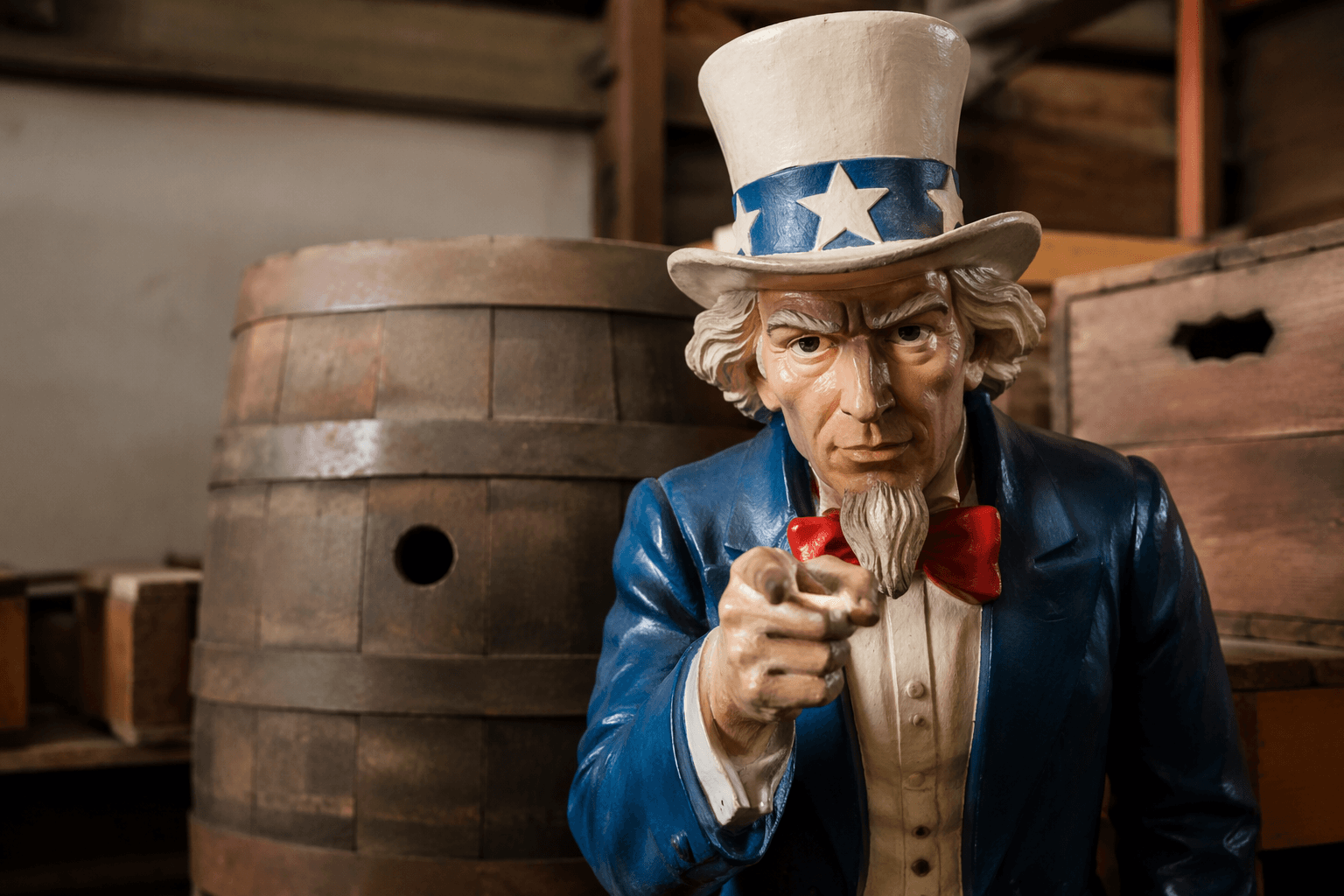
What happened next shows how American symbols are built, simplified, and reused. The Uncle Sam image most Americans know today came from James Montgomery Flagg’s July 6, 1916 cover for Leslie’s Weekly. That stern, pointing figure was quickly repurposed to encourage enlistment and civilian support during World War I, turning a local wartime nickname into a nationwide call to duty. The shift says as much about American politics as it does about illustration: symbols gain power when they can be made to stand in for the country itself, especially in moments when identity feels contested.
Troy has made that inheritance part of its civic identity. The Hart Cluett Museum calls Wilson Troy’s most famous son and says its Uncle Sam exhibit tells the story of how the city became the official “Home of Uncle Sam” by an Act of Congress in 1961. A monument dedicated in Troy in 1980 further ties the city to the icon, and the Smithsonian Institution has cataloged an Uncle Sam memorial statue there that depicts Wilson and the legend that grew around him.
That local claim matters because it pushes back against the idea that patriotic symbols arrive fully formed. Uncle Sam emerged from labor, war, print culture and repetition, then was polished into a national face. In a divided country, that history still matters: the symbols Americans argue over are often the ones built from the most ordinary lives.
This article was produced by Prism’s automated news system from verified source data, official records, and press releases, then run through automated quality and moderation checks before publishing. The system is built and supervised by the people who set the standards it runs under. Read our full AI policy.
Know something we missed? Have a correction or additional information?
Submit a Tip