Millions of adults care for parents who abused them
Millions of Americans provide unpaid care, including adult children helping abusive parents. The system leans on family labor while trauma support and labor policy lag.
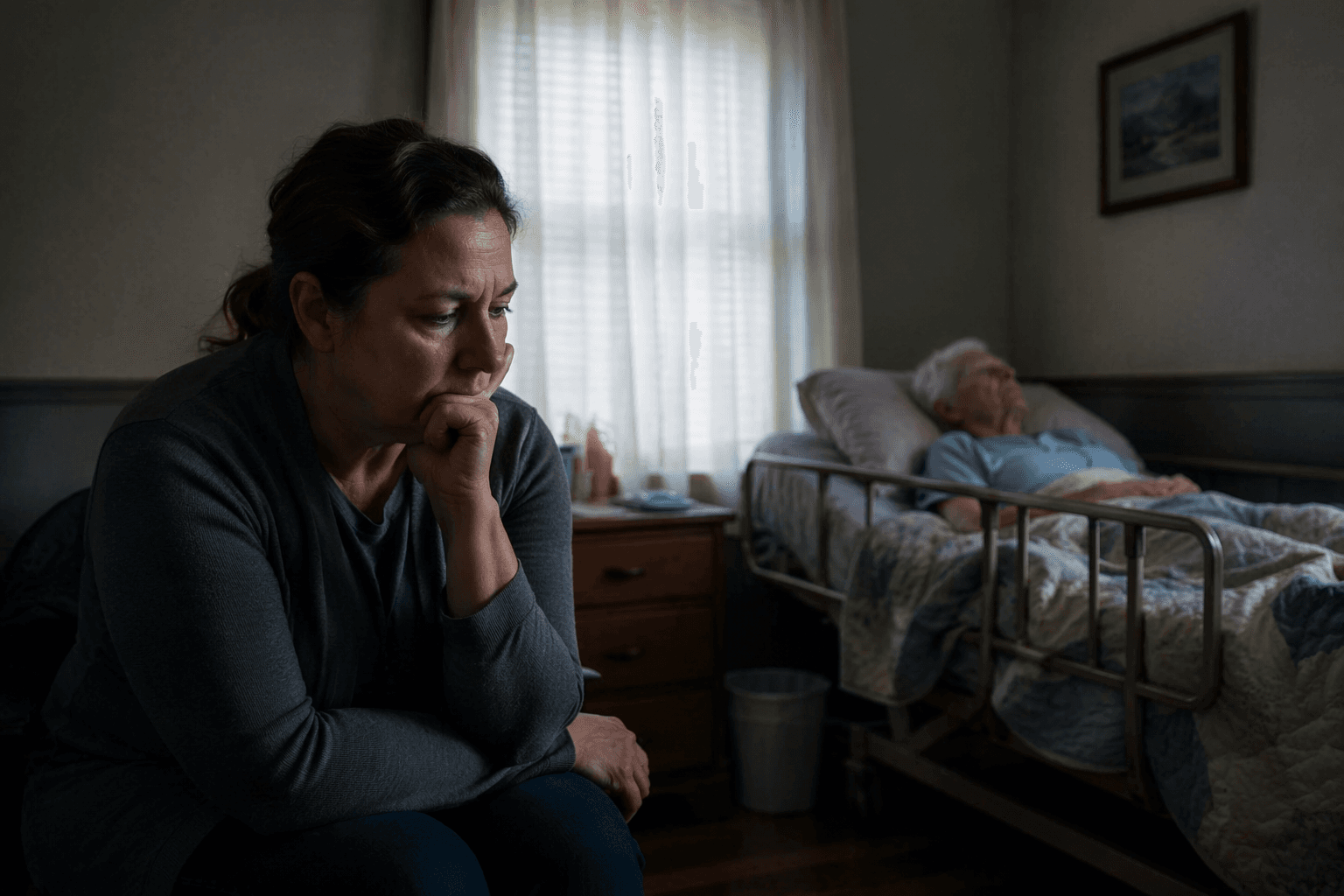
America’s long-term care system rests on an assumption that often goes unspoken: that family will absorb the work. For millions of adult children, that means bathing, feeding, driving and managing medications for parents who may have been violent, neglectful or emotionally abusive, with little formal help and even less recognition of the trauma involved.
AARP and the National Alliance for Caregiving estimated in 2020 that 53.0 million U.S. adults were unpaid caregivers, including nearly 48 million caring for someone over age 18. AARP’s 2025 update put the number at 63 million Americans, nearly a 50% increase since 2015. That growth has collided with a system that still depends heavily on invisible labor at home.
The public financing behind that system is equally lopsided. KFF found that Medicaid paid for more than half of the nation’s $415 billion in long-term services and supports in 2022. Medicare generally does not cover long-term services and supports, leaving families to fill the gap. KFF also says Medicaid home-care supports for family caregivers vary sharply by state, a patchwork that can determine whether an exhausted daughter in one state gets respite help while another, across a border, gets none.
For adults caring for abusive parents, the burden is not only physical and financial. A 2018 study in The Gerontologist found that caring for an abusive parent was associated with worse mental health outcomes, including depressed affect, lower psychological well-being and lower life satisfaction. A later body of scholarship on caregiving for perpetrating or abusive parents found that adult children with abuse histories often had worse mental health, lower self-esteem and more difficulty coping than caregivers without those experiences.
That hidden group is large enough to matter but still easy for policy to miss. The National Institute on Aging says elder abuse can be physical, emotional, financial or neglectful, and the American Psychological Association says it often stays hidden because families treat what happens inside the home as private. In practice, that privacy leaves survivors with a cruel choice: step in and carry the burden, or step away and risk condemnation for not helping a parent in decline.
AARP and NAC have tracked caregiving since 1997, with major updates in 2004, 2009, 2015, 2020 and 2025. The data show a care system expanding in size but not in support. What it still lacks is a policy framework that recognizes trauma, pays for respite and stops treating unpaid family labor as a limitless public subsidy.
This article was produced by Prism’s automated news system from verified source data, official records, and press releases, then run through automated quality and moderation checks before publishing. The system is built and supervised by the people who set the standards it runs under. Read our full AI policy.
Know something we missed? Have a correction or additional information?
Submit a Tip