Epstein deal exposed DOJ’s failures, victims say they were ignored
DOJ said victims were treated with too little sensitivity as Epstein’s plea deal shielded him, while elite lawyers like Kathryn Ruemmler stayed in his orbit for years.
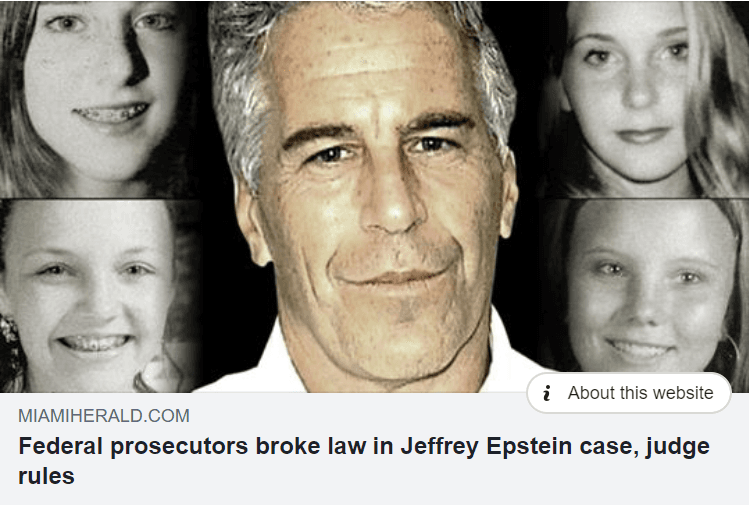
Jeffrey Epstein’s 2008 non-prosecution agreement became more than a scandal about one man. It exposed a legal culture that, by DOJ’s own account, failed to treat victims with the forthrightness and sensitivity they deserved while allowing a convicted sex offender to remain insulated inside elite professional circles.
The roots of the case go back to 2005, when Palm Beach police began investigating after the parents of a 14-year-old girl said Epstein had paid her for a massage. A Palm Beach County grand jury indicted him on July 19, 2006. DOJ later reviewed the broader 2006 to 2008 federal investigation in the Southern District of Florida, where prosecutors described Epstein as a multi-millionaire financier with residences in Palm Beach, New York City, and other U.S. and foreign locations. Investigators developed additional victims and prepared a draft 60-count indictment in 2007, underscoring how far the inquiry had gone before the deal shut it down.
DOJ’s Office of Professional Responsibility later concluded that victims were not treated with the forthrightness and sensitivity expected by the department. DOJ also said former U.S. Attorney R. Alexander Acosta exercised poor judgment in resolving the case and in failing to make sure victims would be notified about the state plea hearing. The findings did not amount to professional misconduct by department lawyers, but they captured a more enduring failure: a system that knew enough to charge Epstein, then allowed the process to narrow before the fullest facts reached the public or the women and girls at the center of the case.
That institutional failure did not end when Epstein’s crimes became public. On February 27, 2025, Attorney General Pamela Bondi announced the first phase of declassified Epstein files and said Epstein sexually exploited more than 250 underage girls. On January 30, 2026, DOJ said it had published over 3 million additional pages responsive to the Epstein Files Transparency Act, and the Epstein library was updated as of June 9, 2026. Each release has widened the record, but it has also sharpened the question of how long powerful institutions kept turning this case into a managed problem rather than a full reckoning.
The latest scrutiny has centered on Kathryn Ruemmler, the former White House counsel to President Barack Obama, who was considered for attorney general in 2014. Reporting on her emails with Epstein described a relationship that lasted from 2014 until his 2019 arrest and included messages in which she called him “Uncle Jeffrey,” described him as an “older brother,” and discussed gifts. Goldman Sachs said Ruemmler will step down as chief legal officer and general counsel effective June 30, 2026. Her case shows how establishment credentials, private networks, and reputational shelter helped normalize proximity to Epstein long after his plea deal should have made that impossible.
This article was produced by Prism’s automated news system from verified source data, official records, and press releases, then run through automated quality and moderation checks before publishing. The system is built and supervised by the people who set the standards it runs under. Read our full AI policy.
Did this article answer your question?