Errant Ukrainian drones fuel NATO tensions on Baltic frontier
A Romanian F-16 shot down a drone over Estonia, then Lithuanian lawmakers sheltered underground as stray Ukrainian drones rattled NATO's Baltic front.

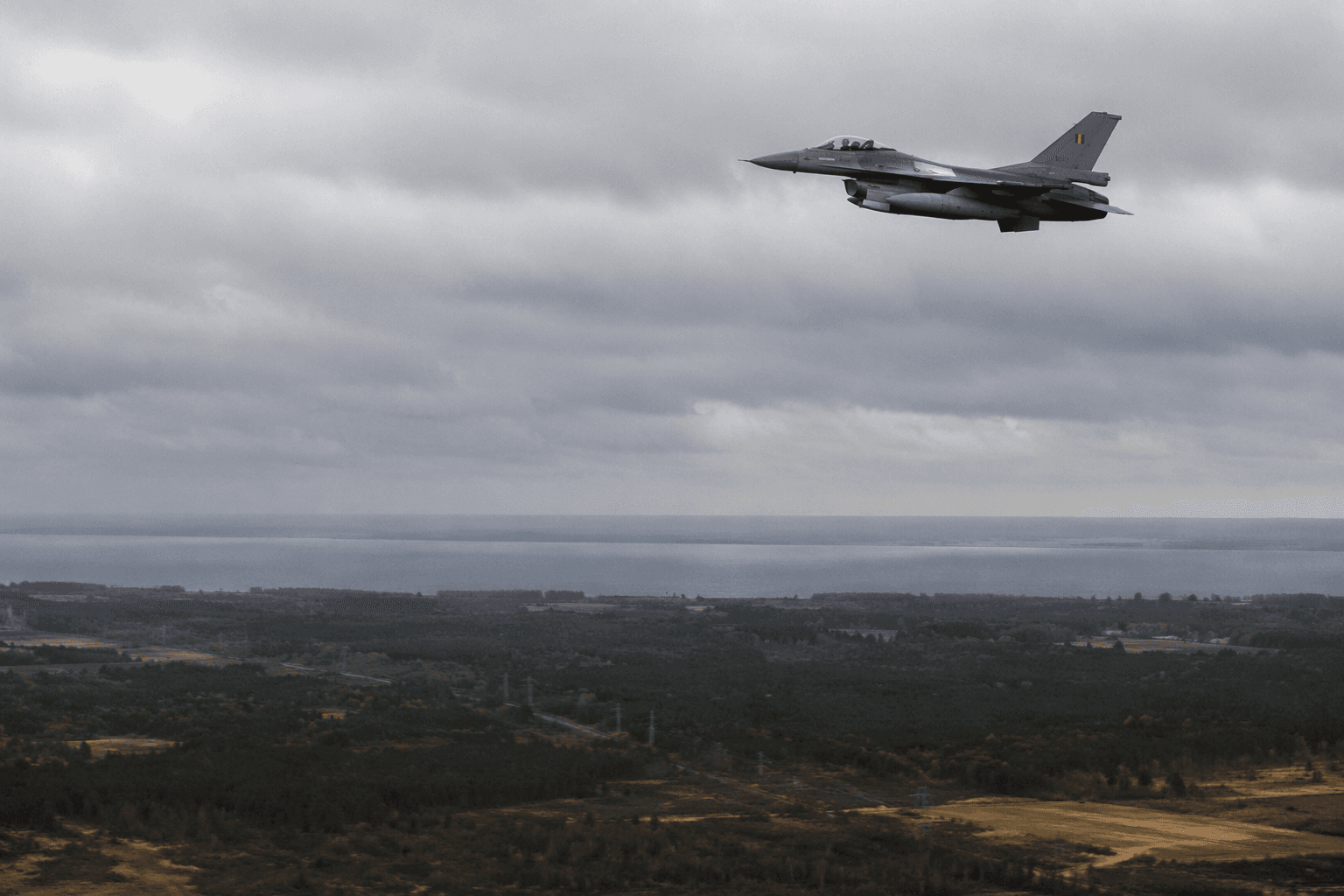
A Romanian F-16 flying with NATO’s Baltic Air Policing mission shot down a drone over Estonian airspace on May 19, a sharp reminder that a single errant aircraft can turn a border incident into a NATO event. Estonia’s defense minister said the drone was destroyed over Lake Võrtsjärv and debris later fell near Kablaküla village, while NATO described the intercept as the first time its Baltic air-policing mission had fired a missile in defense of the alliance since Estonia, Latvia and Lithuania joined in 2004.
The incidents have quickly exposed the fragile space between accident and attribution. In most of the cases described, Kyiv and the Baltic governments have said the drones were Ukrainian, while arguing that Russian electronic warfare likely jammed or spoofed navigation signals and pushed them off course. Moscow has tried to invert that narrative, suggesting the Baltic states are helping Ukraine stage attacks against Russian targets by letting their airspace be used. Estonia, Lithuania and Latvia have denied that accusation, but the political pressure has been immediate because every stray drone now lands in a region already tense over Russia, Ukraine and wavering U.S. commitment.
The danger is not only diplomatic. Lithuania’s parliament had to shelter underground on May 20 after a drone approached Vilnius, and an air alert followed the next day in northern Lithuania. The Vilnius airport was briefly suspended, train traffic around the capital was halted, and schools and kindergartens moved children to shelters as officials scrambled to assess whether the aircraft was armed. Lithuanian Defence Minister Robertas Kaunas warned that some drones may carry explosives and could threaten civilians, while Estonian Foreign Minister Margus Tsahkna said Russia was trying to exploit the incidents to divide Western countries and pressure Ukraine. NATO and the Baltic governments have now had to treat a handful of incidents as a test of air-defense readiness on the alliance’s eastern edge.
The broader military context helps explain why the stakes are rising. Ukraine’s exploding drones have been hitting Russian Baltic ports and western export infrastructure that handle a major share of Russia’s oil and gas trade, with disruption to crude export capacity estimated at about 40%, or roughly 2 million barrels per day. NATO says its Baltic Air Policing mission exists because Lithuania, Latvia and Estonia do not have the aircraft assets to police their own skies, and the alliance has been testing counter-drone defenses as the threat widens. About 300 participants took part in a counter-uncrewed aircraft exercise in the Netherlands from May 11 to May 22, while NATO’s innovation range in Latvia held its first testing campaign from March 9 to March 13. The alliance now faces a narrow path: keep supporting Ukraine’s strike campaign without letting its spillover trigger a larger confrontation over NATO airspace.
This article was produced by Prism’s automated news system from verified source data, official records, and press releases, then run through automated quality and moderation checks before publishing. The system is built and supervised by the people who set the standards it runs under. Read our full AI policy.
Know something we missed? Have a correction or additional information?
Submit a Tip