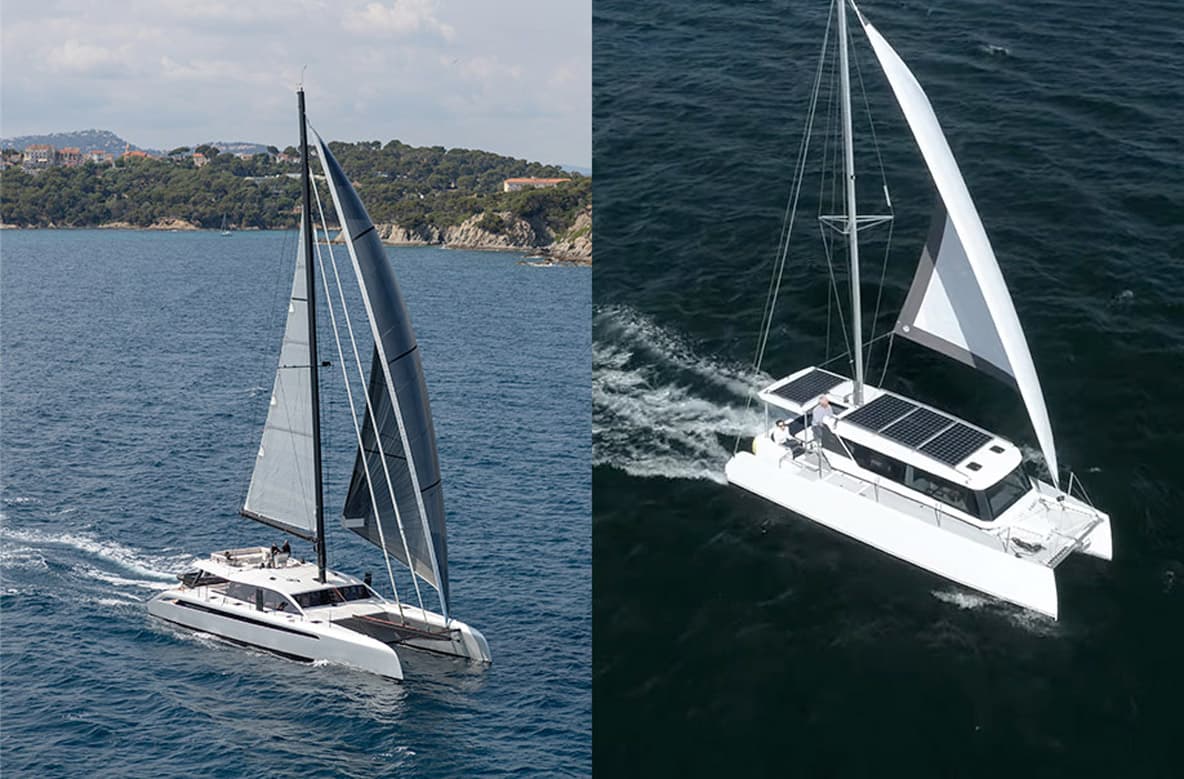
Essential anchoring techniques every catamaran skipper needs to know
Catamarans require specific anchoring techniques including a bridle, larger anchor and increased scope to manage windage and reduce yaw and snatching. Follow stepwise setup and regular checks for safer nights at anchor.
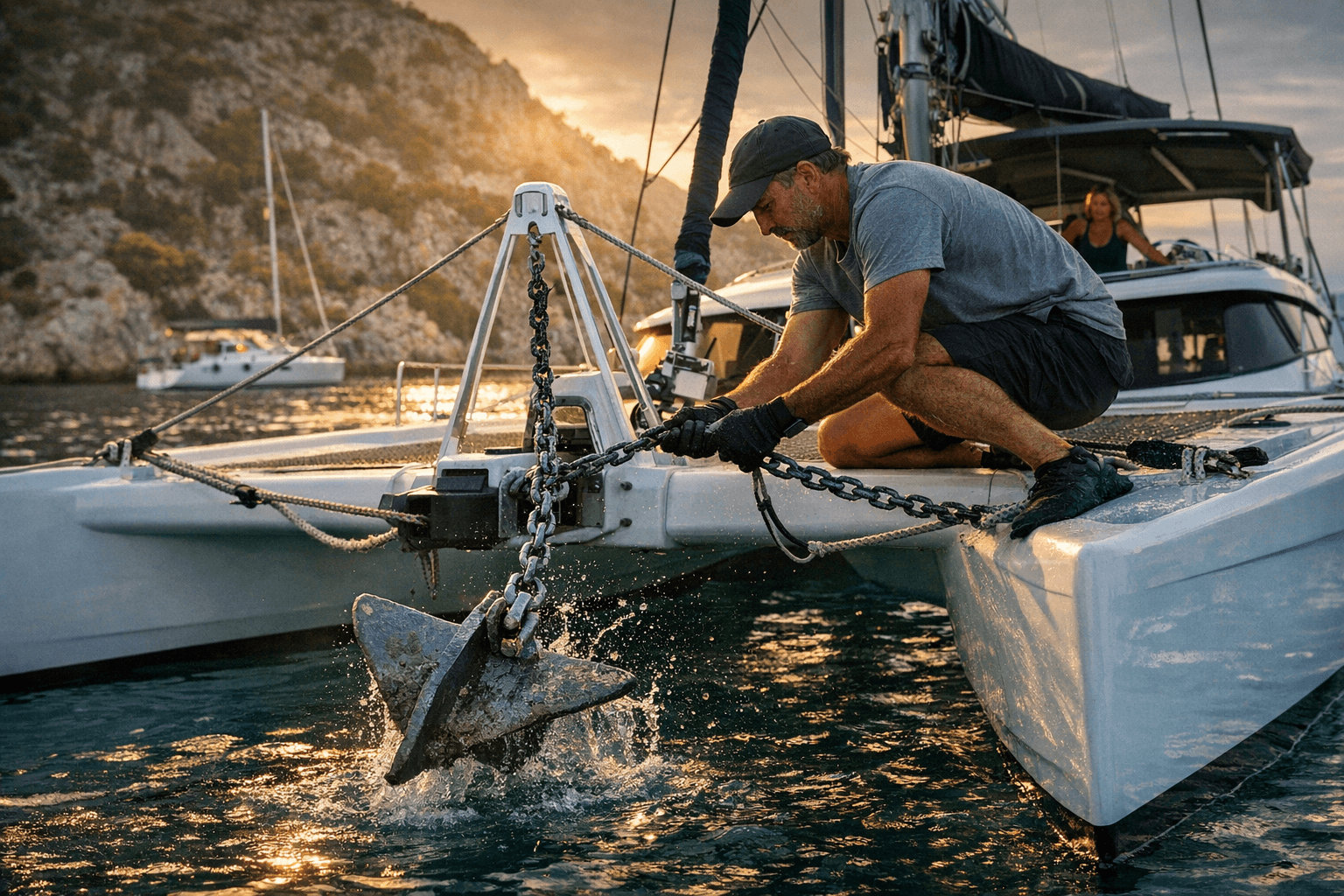
Catamarans behave differently at anchor, and getting the basics right keeps both hulls secure and the crew rested. The most important adjustments compared with monohulls are using a bridle to stabilise the wide beam, choosing a larger anchor than standard monohull recommendations, and committing to extra scope as conditions demand.
Start with siting the anchorage. Pick a bottom type you trust for holding - sand and mud generally give better bite than weed or rock - and allow generous swinging room for tidal range and wind shifts. Visual checks for kelp, debris or crowded anchorages reduce the chance of scope fouling. Approach into the wind or current to maintain steerage and a controlled set-up.
The step-by-step anchoring procedure is straightforward but precise. Approach slowly into the wind, stop, and lower the anchor steadily so it reaches the bottom without dragging. Pay out rode to the recommended scope: 5:1 in typical conditions, increasing to 7:1 or more as winds strengthen. Once you think you have enough scope, test the set by backing down on the anchor under power and feeling for a firm bite. If the anchor drags or the rode snatches, reset immediately.
Catamarans demand a bridle to tame yaw and reduce snatch loading on fittings. A properly rigged bridle spreads load between attachment points on each hull, evening out strain on the platform and helping the vessel sit bow-to-wind with less yaw. Because cats present higher windage, plan to use an anchor one size up from monohull charts and route the bridle to strong, reinforced attachment points designed for through-loads. Inspect attachment hardware and make sure pad-eyes, cleats or dedicated bridles are rated and bedded correctly.
Rode and fittings are your last line of defence. Inspect the rode, shackles and bridle hardware before you leave the dock and at daylight while at anchor. Look for chafe, corrosion or stretched shackles and replace components that don’t meet a rigorous standard. Monitor your position visually and with electronics; if conditions worsen, add scope and consider deploying a second anchor or adjusting the bridle configuration to reduce load.
Practical drills pay off: rehearse dropping and setting the anchor in calm conditions, practise backing down to verify a set, and familiarise the crew with bridle attachment and release procedures. Regular maintenance of rode and bridle hardware prevents failures when you need them most.
Getting anchoring right on a catamaran reduces sleepless nights and protects your investment. Inspect gear, step through the set deliberately, use a bridle and err on the side of extra scope and anchor mass — those habits keep your cat sitting predictable and secure as weather and tides change.
Sources:
Know something we missed? Have a correction or additional information?
Submit a Tip