Essential Cookbooks for Fresh Pasta Techniques, Tips, and Troubleshooting
A curated list of authoritative cookbooks highlights the best resources for learning fresh pasta, recommending titles that teach fundamental techniques and regional varieties. This matters because structured instruction on flour selection, hydration, resting, rolling, shaping, and cooking can shorten the learning curve and improve results for home cooks and community cooks alike.
%3Amax_bytes(150000)%3Astrip_icc()%2F__opt__aboutcom__coeus__resources__content_migration__serious_eats__seriouseats.com__images__2015__07__20150721-pasta-cookbooks-vicky-wasik-5-5f443c370858478292620e3f79ed2155.jpg&w=1920&q=75)
For anyone determined to make better fresh pasta at home, a focused set of cookbooks can replace trial and error with clear instruction. The most useful titles for structured learning include Mastering Pasta by Marc Vetri for comprehensive technique and breadth, Flour and Water Pasta by Thomas McNaughton for seasonal and precise approaches, and Pasta by Hand by Jenn Louis for hand shaped pastas. These teacher authors deliver step by step instruction and troubleshooting that are ideal for readers who want both fundamentals and recipes.
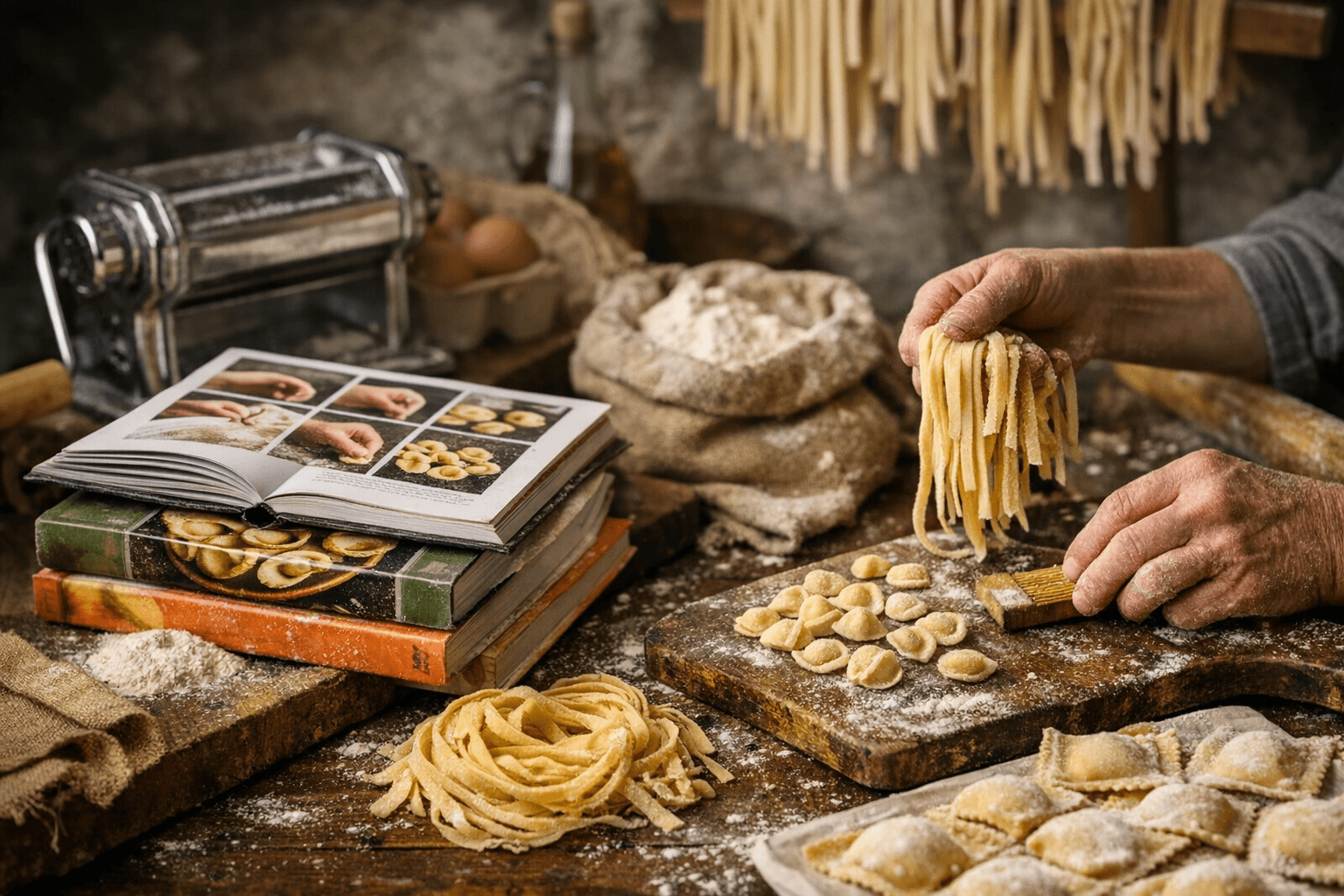
Start with the basics the books emphasize. Use the right flour and measure by weight. High protein semolina and 00 flour are recommended for many traditional pastas. Hydration is critical. Egg to flour ratios largely determine elasticity, so follow weights and ratios rather than guessing. Rest dough at least 30 minutes before rolling to relax gluten and make sheets easier to work.
Technique matters in shaping and cooking. Roll progressively thinner, dust lightly with flour to prevent sticking, and cut and dry shapes briefly before cooking or before freezing for later use. Fresh pasta cooks very quickly, often in one to four minutes, so time closely. Reserve pasta water when you cook, and use it to marry sauces for silkier results.
Practical choices when picking a book hinge on your goals. If you want a wide technical reference that covers many shapes and modern sauces, choose a title that focuses on technique and troubleshooting. If you prefer seasonal menus and exacting recipes, pick a book that follows a precision kitchen approach. If you want to develop hand shaping skills, select an author who concentrates on hand formed varieties.
Community relevance is substantial. Clear, reliable recipes make workshops and potluck nights more productive. Neighborhood cooking groups and class instructors can use the same canonical titles to create consistent lesson plans. For small scale sellers or cottage producers, mastering hydration, resting, and drying techniques cuts waste and improves product consistency.
To put this into practice, pick one trusted cookbook, measure ingredients by weight, rest the dough, roll thinner in stages, and time cooking carefully. Freeze extra shapes after a brief dry to build a pasta reserve. Saved pasta water will lift sauces, and small changes in flour and hydration will be the difference between a so so plate and a memorable one.
Know something we missed? Have a correction or additional information?
Submit a Tip