Essential Guide to Oxford and Lafayette County Cultural and Outdoor Anchors
This guide maps Lafayette County’s cultural, recreational, and visitor assets, giving residents concise, practical context for planning visits and engaging with local institutions. You will learn what each site offers, who manages or influences it, how it shapes the local economy and civic life, and where to look for calendars and official information.
1. Downtown Courthouse Square - Shops, Restaurants, and Civic Heart
Downtown Courthouse Square is the county’s commercial and civic nucleus, concentrating independent shops, restaurants, legal institutions, and regular street-level activity. Its mix of retail and eateries supports small-business employment and sales tax revenue that fund local services; decisions about parking, zoning, and public-space maintenance directly affect downtown vitality. Residents should monitor city council and planning commission actions that influence development patterns, pedestrian safety, and curbside management to ensure the Square remains accessible and economically vibrant.
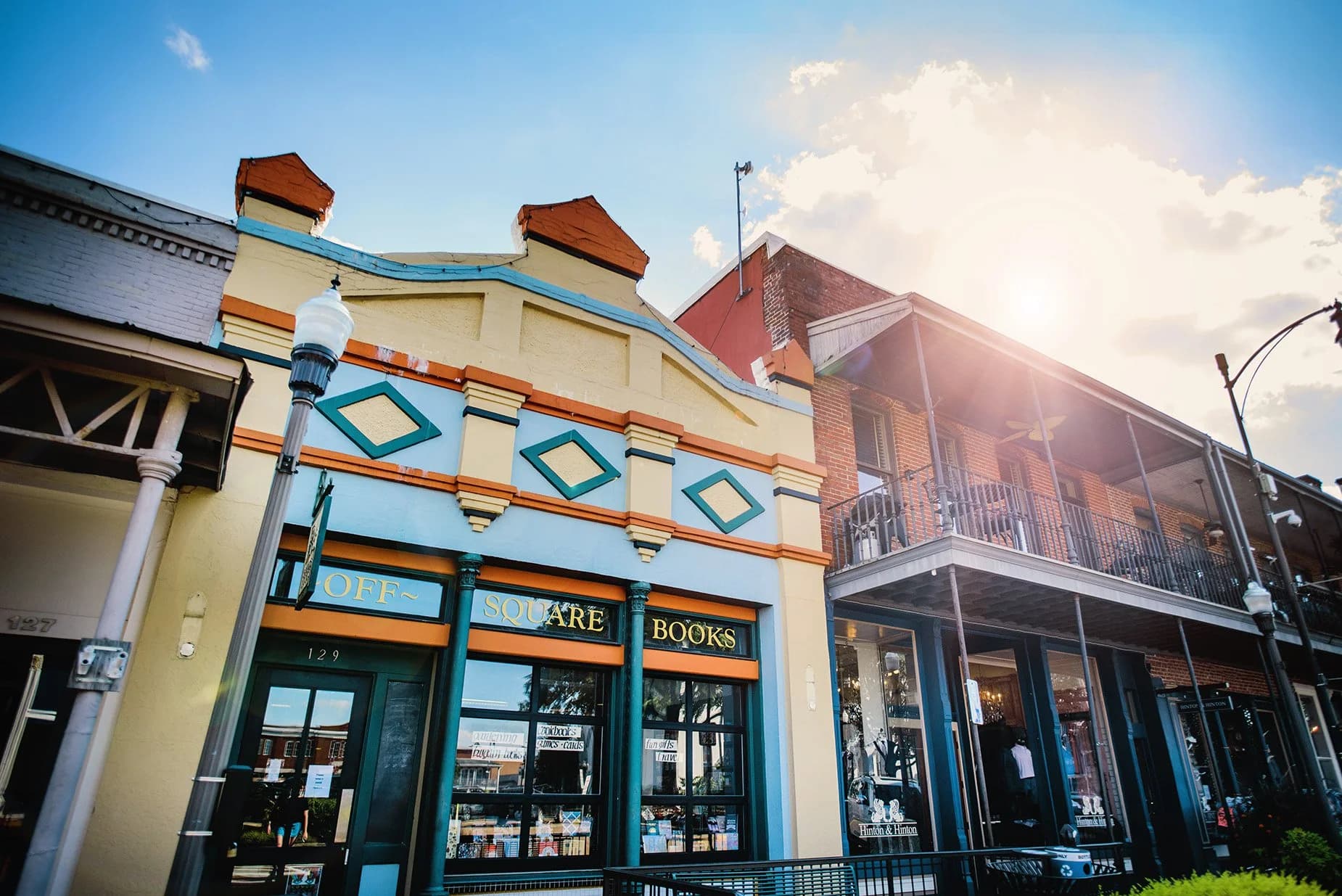
2. Square Books - Independent Bookstore and Literary Hub
Square Books serves as a major literary anchor, drawing readers, authors, and visitors for readings and book sales that sustain a year-round cultural profile. Independent bookstores like Square Books contribute to local tourism and cultural tourism metrics and often partner with festivals and universities to host events that amplify civic discourse. Support through patronage and advocacy for favorable downtown policies helps preserve independent cultural institutions that boost Lafayette County’s cultural economy.
3. Rowan Oak - William Faulkner’s Home and Historic Preservation
Rowan Oak is a key historic house museum tied to William Faulkner’s legacy, providing educational programming and heritage tourism. Preservation of such properties requires collaboration between stewards, university partners, and local government to secure funding, conservation expertise, and visitor infrastructure while balancing academic access and public use. Residents can engage by attending tours, supporting preservation funding measures, and participating in advisory or volunteer stewardship programs that ensure long-term conservation.
4. University of Mississippi Museum & Historic Houses - Educational and Cultural Resource
The University of Mississippi’s museums and historic houses function as major cultural institutions offering collections-based exhibitions, community programming, and academic outreach. Institutional stewardship and university governance determine exhibition priorities, access policies, and community partnerships; transparency around these decisions affects how residents and visitors experience the collections. Local impact includes educational opportunities for schools, tourism draw, and collaborative arts programming that can be expanded through public-university partnerships.
5. Lamar Park and Yokna Sculpture Trail - Urban Green Space and Public Art
Lamar Park and the Yokna Sculpture Trail provide accessible green space, public art installations, and passive recreation that contribute to community health and downtown aesthetics. Investment in park maintenance, trail connectivity, and public-art commissioning enhances property values and supports outdoor recreation, but requires budgetary prioritization and regular maintenance planning by municipal authorities. Civic engagement in park planning and volunteer clean-up programs helps ensure these assets remain safe, attractive, and inclusive.
6. Lyric Theater and Powerhouse Arts Venues - Performance and Community Arts
The Lyric Theater and the Powerhouse arts venues host music, theater, film, and community arts programming that stimulate local cultural ecosystems and nurture creative economies. Many arts venues operate through nonprofit governance or public-private partnerships; their sustainability depends on diversified funding, volunteer leadership, and municipal support for cultural infrastructure. Residents benefit from attending performances, participating in governance or volunteer programs, and advocating for arts funding in municipal budgets to preserve affordable presentation spaces.
7. mTrade Park and Sports/Tournament Facilities - Recreation Economy and Infrastructure
mTrade Park and other sports and tournament facilities draw regional visitors for youth and amateur sports events, generating hotel nights, restaurant sales, and local business revenue. Effective facility management requires coordination across county tourism offices, sports commissions, and private operators to manage scheduling, maintenance, and transportation impacts. Policymakers should weigh capital and operating costs against economic return and community access, ensuring equitable use and clear accountability for public investments in sports infrastructure.
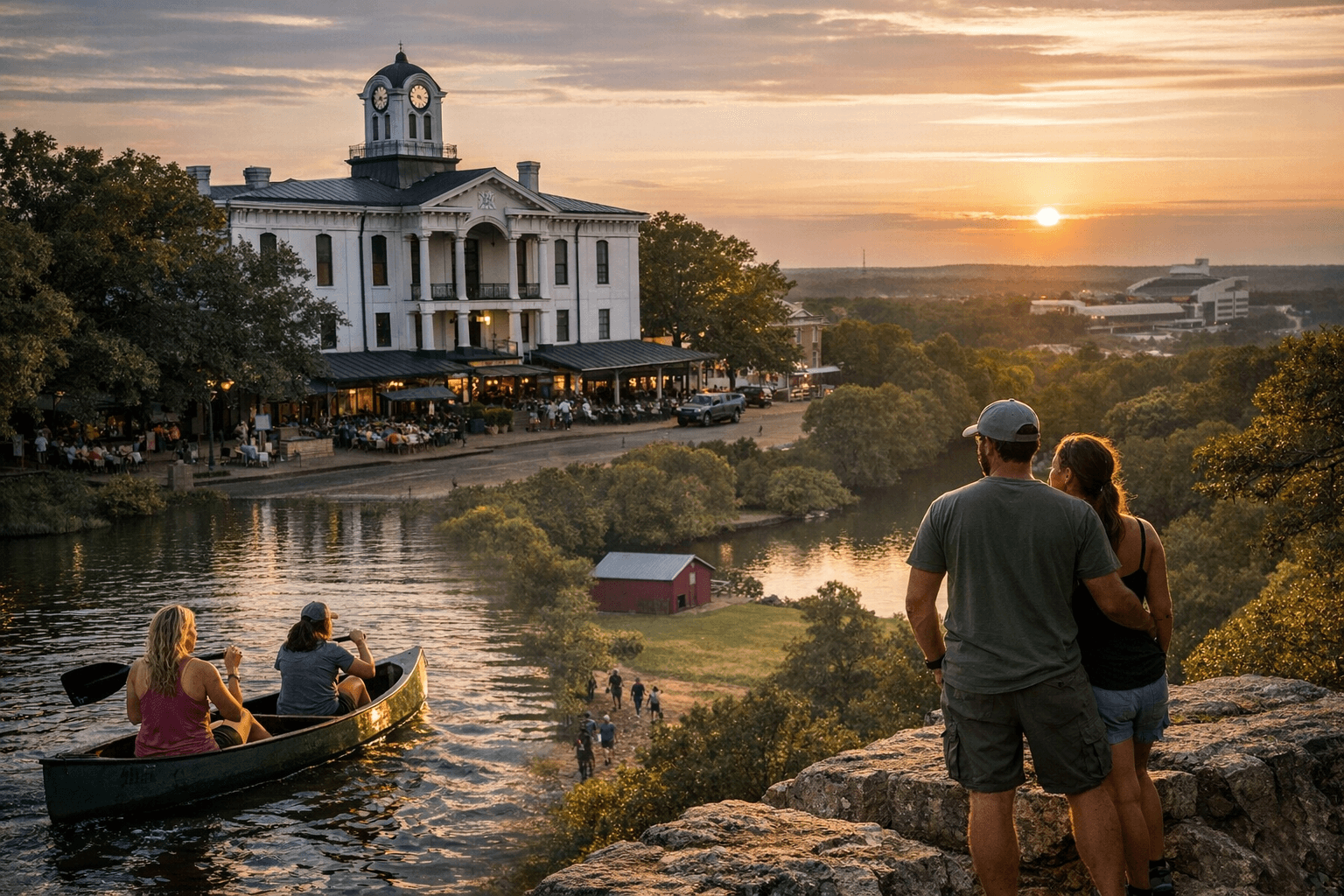
8. Sardis Lake and Holly Springs National Forest - Nearby Outdoor Destinations
Sardis Lake and Holly Springs National Forest provide larger-scale outdoor recreation, boating, fishing, hiking, and camping, that expand Lafayette County’s appeal to nature-oriented visitors and residents. Stewardship of these natural resources involves federal, state, and local authorities; environmental management decisions affect water quality, habitat conservation, and recreational access. Community significance includes ecosystem services, tourism income, and recreational health benefits, with resident input important for managing development pressures and conservation priorities.
9. Signature Festivals and Events - Double Decker Arts Festival, Oxford Film Festival, Oxford Fiber Festival, Thacker Mountain Radio
Signature events such as the Double Decker Arts Festival, Oxford Film Festival, Oxford Fiber Festival, and Thacker Mountain Radio programs form a cultural calendar that amplifies the county’s profile and supports seasonal economic activity. Event permitting, public-safety planning, and infrastructure demand municipal oversight; organizers often rely on volunteers, nonprofit governance, and partnerships with businesses and the university. Residents can support these festivals by attending, volunteering, and participating in post-event evaluations to guide improvements in accessibility, traffic management, and equitable cultural programming.
- Check event calendars in advance for seasonal hours and ticket requirements.
- Allow extra time for downtown parking during peak festivals and university events.
- Confirm accessibility accommodations directly with venue staff before arrival.
10. Practical Planning, Addresses, and Official Resources
For accurate hours, event calendars, and venue addresses, consult official municipal and organizational resources: city and county websites, university museum pages, venue-specific pages, and primary festival organizers’ communications. These official channels provide up-to-date schedules, ticketing, and policy notices (parking, accessibility, permitting) that affect visit planning. Tips for visiting:
11. Civic Engagement, Policy Considerations, and How Residents Can Influence Outcomes
Cultural and recreational assets shape Lafayette County’s quality of life and fiscal landscape, and decisions about them are made through elected bodies, appointed commissions, and institutional leaders. Residents influence outcomes by attending city council and county commission meetings, serving on advisory boards, voting in local elections when measures affect funding or zoning, and engaging in public comment processes for parks, events, and development projects. Sustained civic participation ensures transparency, aligns public investment with community priorities, and holds institutions accountable for equitable access, fiscal stewardship, and long-term conservation of cultural and natural resources.
Sources:
Know something we missed? Have a correction or additional information?
Submit a Tip