Essential tag-and-release and safety guide for tuna anglers
This primer outlines best practices for tuna tag-and-release, fish handling, and onboard safety to protect fish, validate tournament tags, and keep crews safe.
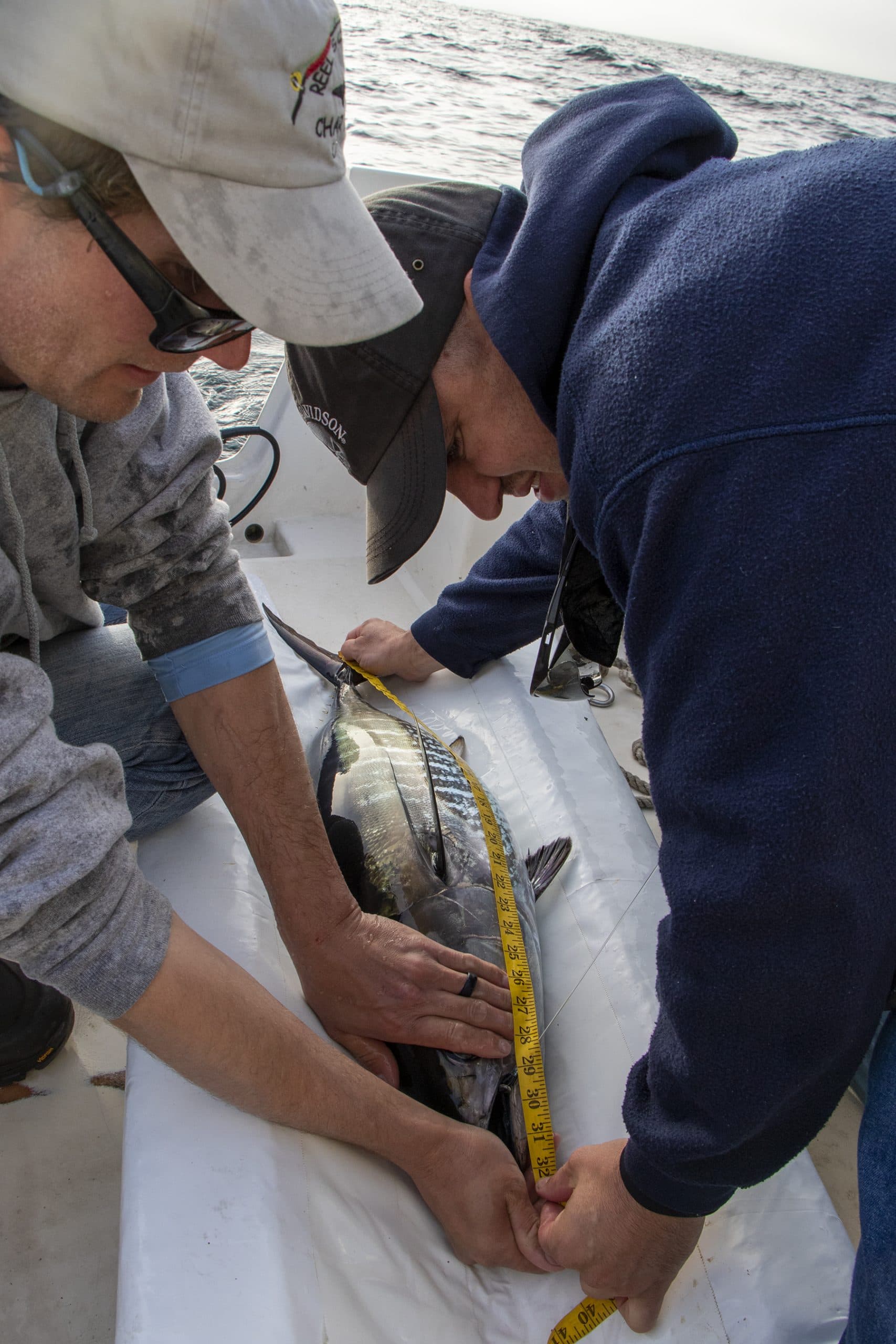
Proper fish handling, tag-and-release technique, and onboard safety are core to healthy releases, valid tournament tags, and crew wellbeing. Use approved tags and tagpoles sized to the species and event, and follow local tournament, GFAA, or IGFA rules on tagpole length and needle protrusion. Apply tags quickly and securely, minimize air exposure and handling time, and support and revive the fish until it swims strongly away.
Minimizing fight time where safe to do so reduces exhaustion and improves post-release survival. Keep the tuna in the water as much as possible during the fight and landing. Use knotless rubber nets or specially designed release gear to avoid scale and slime loss. Avoid gaffing unless the fish is to be retained; if you are tagging or releasing, use a jaw-release device or a boga-grip instead. Measure fish on a wet mat and return them promptly, observing the event’s rules for measure-and-release versus tagging procedures.
Onboard safety is equally important. Wear PFDs when conditions require and keep them accessible at all times. Use non-slip footwear and cut-resistant gloves for handling leaders, wire, and hooks. Keep a designated first-aid kit aboard and ensure at least one crew member knows how to treat puncture wounds and severe bleeding. Don’t overload the vessel with people or gear; stow sharp tools safely and maintain clear communication during a fight and landing. Always inform a responsible person ashore of your trip plan and expected return.
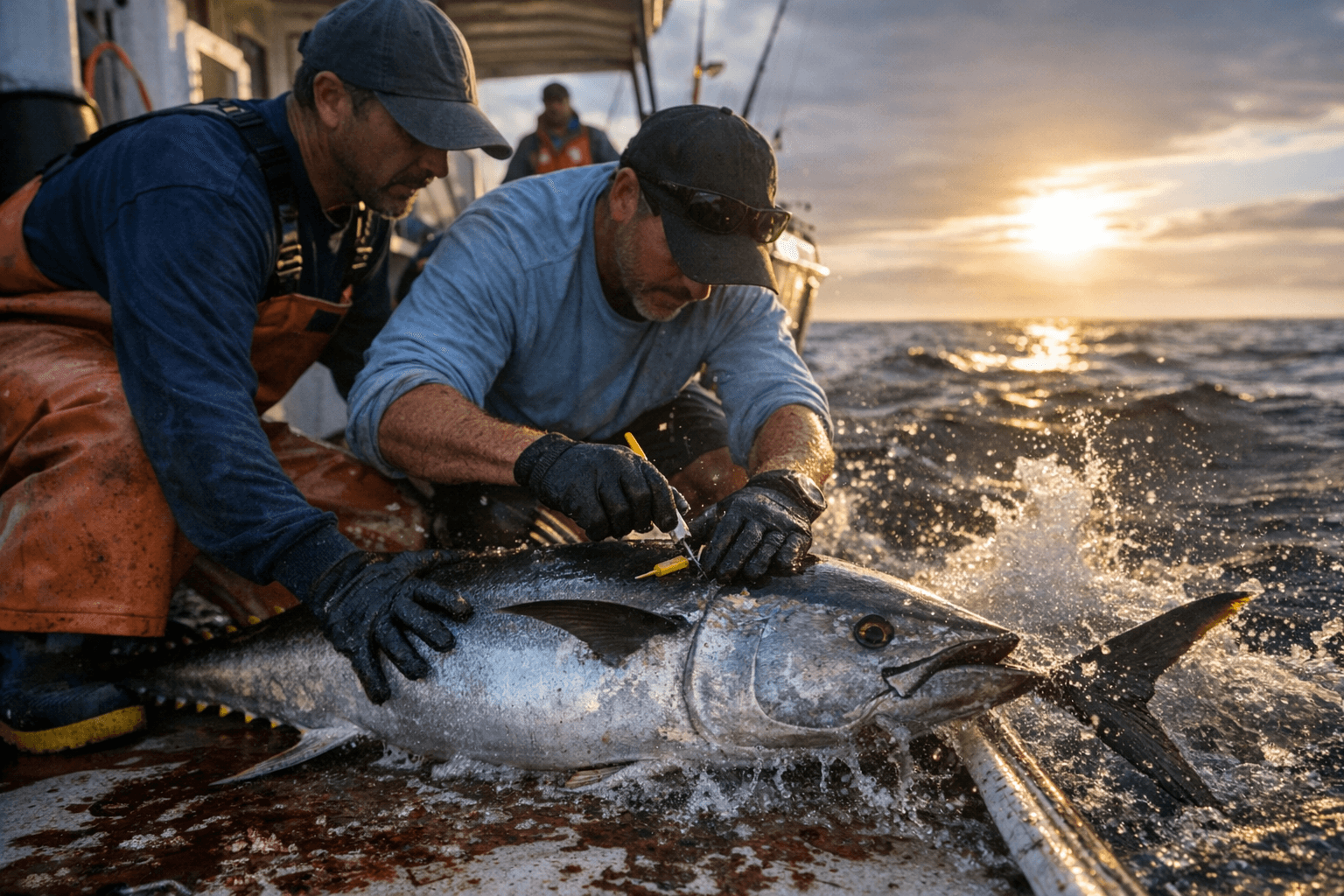
If you are after tournament or record recognition, follow the event’s tagging and reporting protocols closely. Provide witnesses, photo and video evidence, and use approved measuring mats. Fill out tag and release forms accurately and keep copies. When in doubt about rules, contact the tournament authority or your local fisheries agency before you head out to avoid tag invalidation or lost claims.
The practical takeaway is simple: combine established tagging protocols used by organisers with robust vessel safety practices such as lifejackets, VHF, EPIRB or handheld PLB, and a stocked first-aid kit. Prior planning, practiced crew roles, and respect for fish welfare improve survival outcomes and protect everyone on board. Adopt these habits so your next tuna comes back to fight another day and your crew returns safe.
Know something we missed? Have a correction or additional information?
Submit a Tip