Estée Lauder and Puig in Talks to Create $40 Billion Beauty Giant
Estée Lauder shares fell nearly 8% after the company confirmed merger talks with Barcelona's Puig, a deal that would create a $40 billion beauty giant.
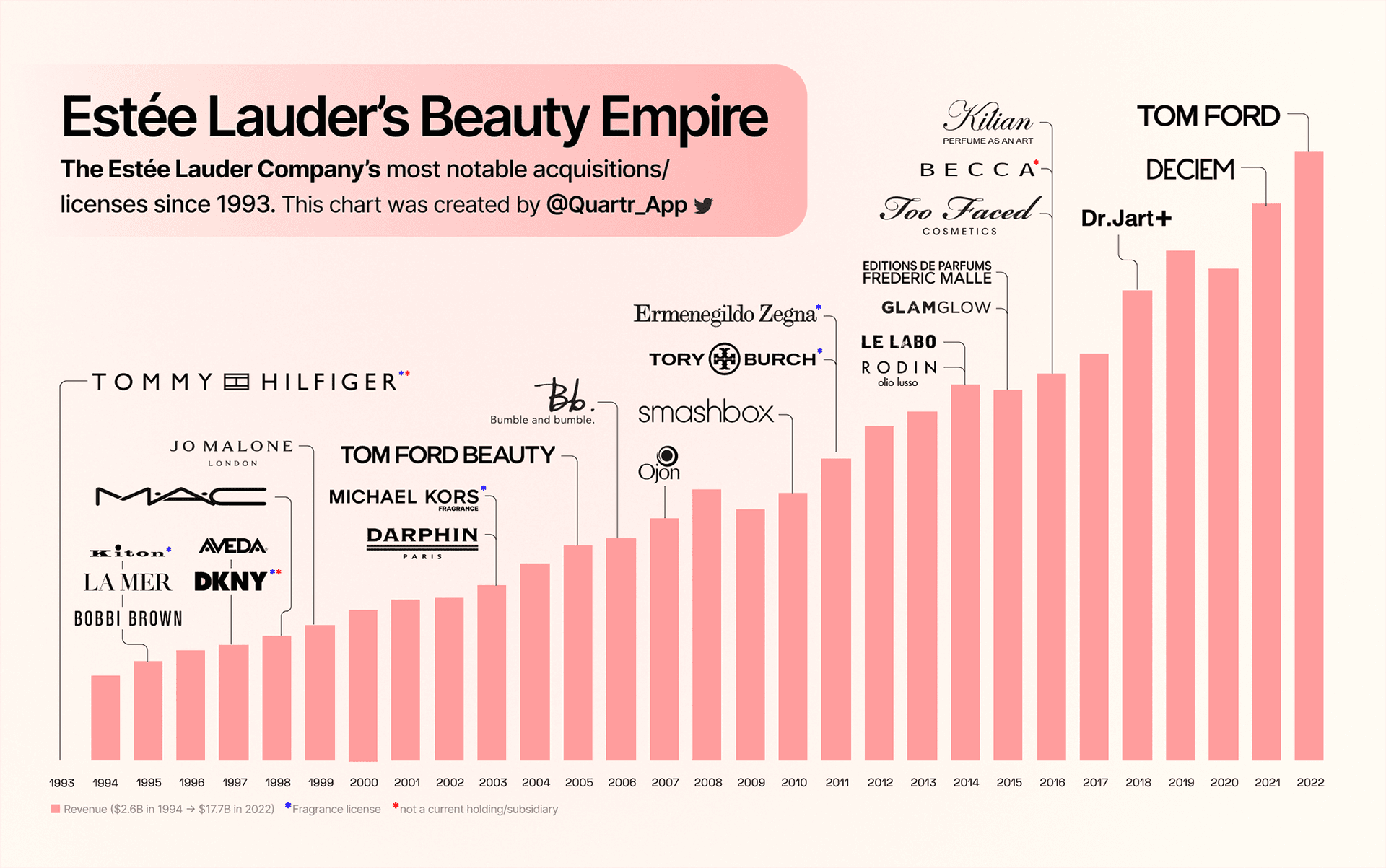
Estée Lauder confirmed Monday it is in talks to potentially merge with Spanish beauty group Puig, a combination that would assemble one of the largest beauty conglomerates in the world under a single corporate roof.
The proposed merger would bring together some of the world's leading beauty and fragrance brands, including Tom Ford, Carolina Herrera, Paco Rabanne, and Clinique, in a deal analysts value at more than $40 billion. Reports suggest the deal would involve a combination of cash and stock, though the companies did not disclose any financial details of the potential deal.
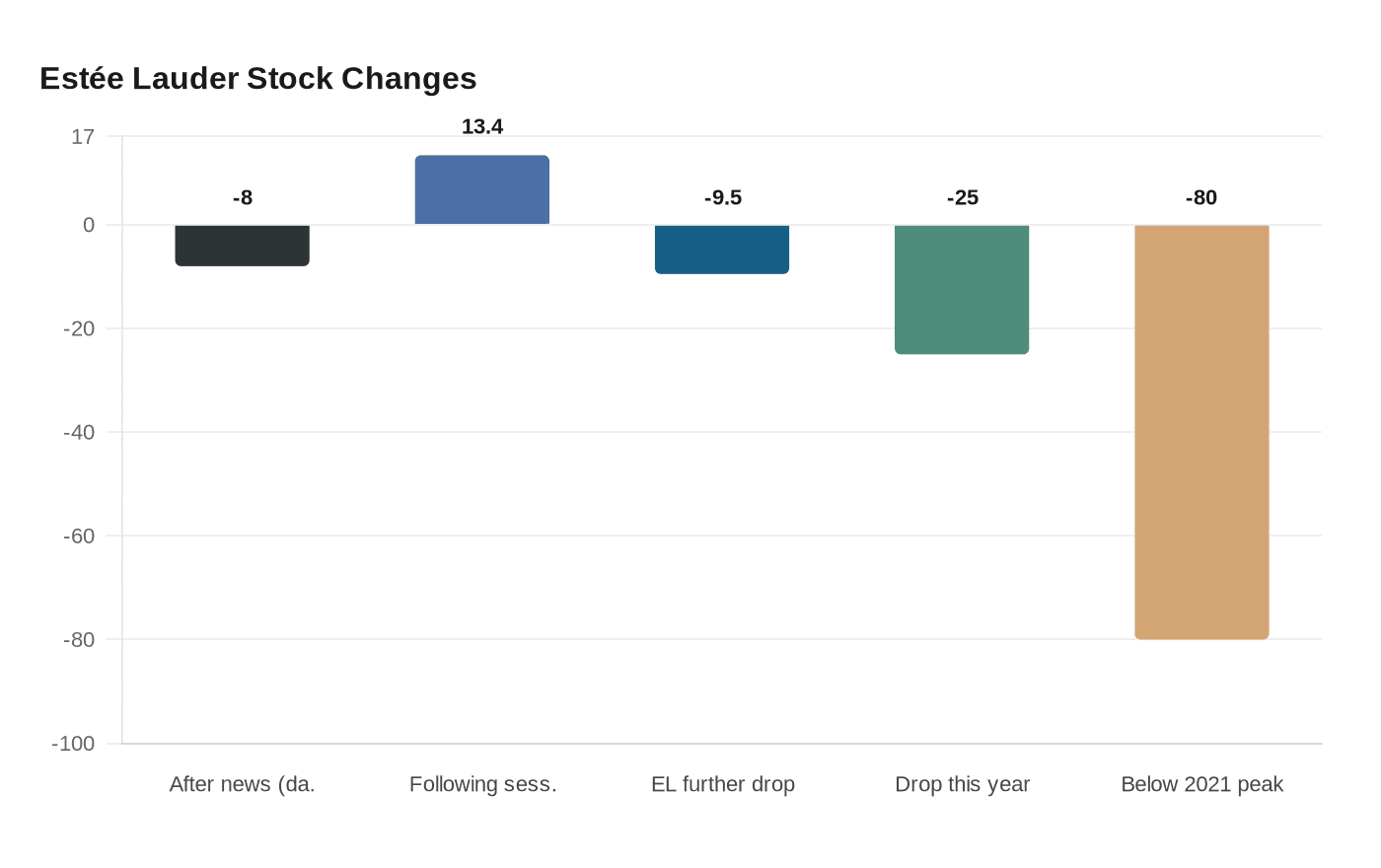
Shares of Estée Lauder fell nearly 8% following the news, which was first reported by the Financial Times. Puig stock closed the following session 13.4% higher, while Estée Lauder shares were down a further 9.5% as investors parsed the strategic and financial implications. The company's stock has dropped 25% this year and, according to The Guardian, sits roughly 80% below its 2021 all-time peak.
The market skepticism has a clear basis. Estée Lauder is in the early stages of a turnaround to revitalize growth, and efforts have included layoffs. The company's woes have been exacerbated by U.S. tariffs, which it flagged would impact its full-year profitability by $100 million. Citigroup analysts warned that Estée Lauder "is in the early stages of a business turnaround with a deal of this size creating complexity and execution risk."
For Puig, the calculus looks different. The Barcelona-based group derives more than 70% of its revenues from fragrances, a category where scale increasingly matters. RBC Capital Markets analyst Nik Modi said the deal makes sense "from a strategic standpoint," adding that "Estée Lauder has a big gap in its portfolio with fragrances relative to the likes of L'Oréal and LVMH and this combination would fill that gap."
J.P. Morgan's Céline Pannuti, head of European staples and beverage research, wrote that "the combined business would have revenues of just over $20 billion, and would give Estée Lauder a larger fragrance portfolio and diversify exposure to Europe and Latin America." She cautioned, however, that there could be antitrust issues in prestige makeup in the U.S., where Estée Lauder is a leading player and Puig's Charlotte Tilbury brand ranks third in prestige makeup.
Puig itself is navigating a significant leadership transition. The merger talks emerged just one week after Marc Puig stepped down as company chief executive after 22 years, handing the role to José Manuel Albesa, while retaining the executive chairmanship. The Puig family, which founded the Barcelona-based group in 1914, retains majority voting rights. Puig has seen sales grow steadily since it went public in 2024, with a portfolio spanning fragrance, skin care, and makeup under brands including Charlotte Tilbury, Nina Ricci, and Rabanne. The group posted a 12% rise in 2025 net profit and recorded revenue of more than €5 billion that year.
The deal, if completed, would arrive at a moment of rapid consolidation across the beauty sector. Gucci-owner Kering agreed to sell its beauty business to L'Oréal, a transaction that hands L'Oréal the fragrance line Creed and exclusive rights to develop products under Kering's fashion labels including Bottega Veneta and Balenciaga. Jefferies analyst Sydney Wagner noted that while fragrances remain a strong category, competition from independent brands is intensifying and L'Oréal has strengthened its position considerably.
Estée Lauder said in a statement: "No final decision has been made, and no agreement has been reached." The company added that "unless and until an agreement is signed between the companies, there can be no assurances regarding the deal or its terms." What is clear is that both companies face mounting pressure to act: a fragrance market cooling after years of post-pandemic demand, a dominant L'Oréal, and investors on both sides of the Atlantic watching every move.
This article was produced by Prism’s automated news system from verified source data, official records, and press releases, then run through automated quality and moderation checks before publishing. The system is built and supervised by the people who set the standards it runs under. Read our full AI policy.
Did this article answer your question?
%3Amax_bytes(150000)%3Astrip_icc()%2FCertificate-of-deposit-2301f2164ceb4e91b100cb92aa6f868a.jpg&w=1920&q=75)