Estonia government loses parliamentary majority after two MPs defect
Two defections left Estonia’s Reform Party and Estonia 200 without a majority, raising new strain over budgets, defense and Ukraine policy.
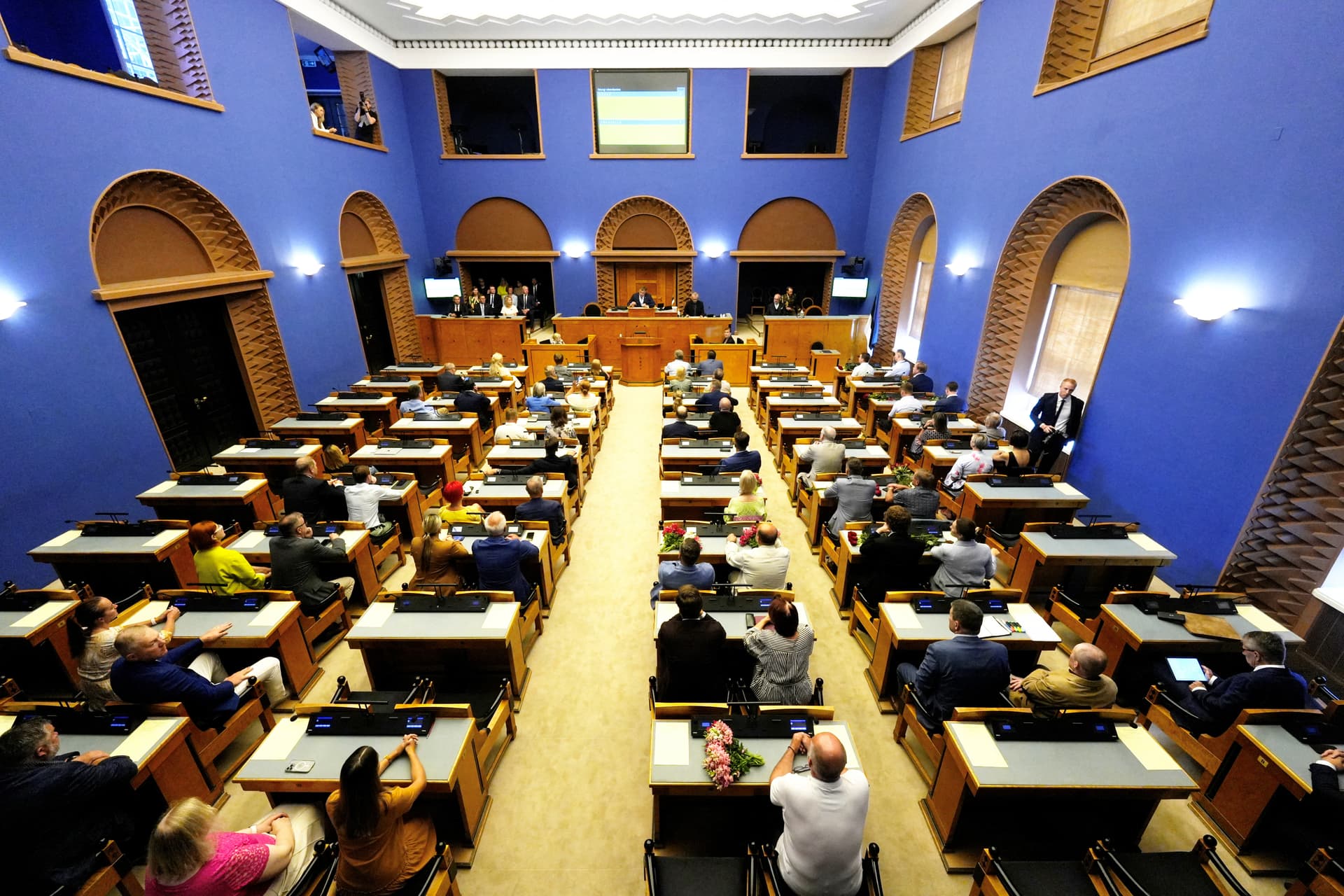
Two defections stripped Estonia’s government of its parliamentary majority, leaving the Reform Party and Estonia 200 with 50 seats in the 101-seat Riigikogu. Kalev Stoicescu, who represented Estonia 200, and Meelis Kiili, who had been in the Reform Party, quit their parties and tipped the balance against the coalition.
The loss matters because 50 seats falls short of the threshold needed to control the chamber, making every vote harder to manage in a country that has long been viewed as one of the Baltic region’s steadier pro-Western governments. Estonia sits on NATO’s eastern flank and borders Russia, so shifts in parliamentary arithmetic carry added weight when lawmakers are weighing defense spending, security policy, taxes and public finances.
The change does not automatically force a new election or bring down Kristen Michal’s government, but it does weaken discipline inside the coalition and gives opposition parties more room to shape the debate. Estonia is scheduled to hold its next election by March 2027, which means the government now has well under a year to govern without the cushion of a formal majority.
The instability follows a year of strain inside the coalition. In March 2025, Michal said he would expel the Social Democratic Party from the government, a move that pushed the Social Democrats out of the cabinet. Social Democratic Party chair Lauri Läänemets said that if the governing coalition were to lose its parliamentary majority, his party would immediately support a vote of no confidence against Michal.
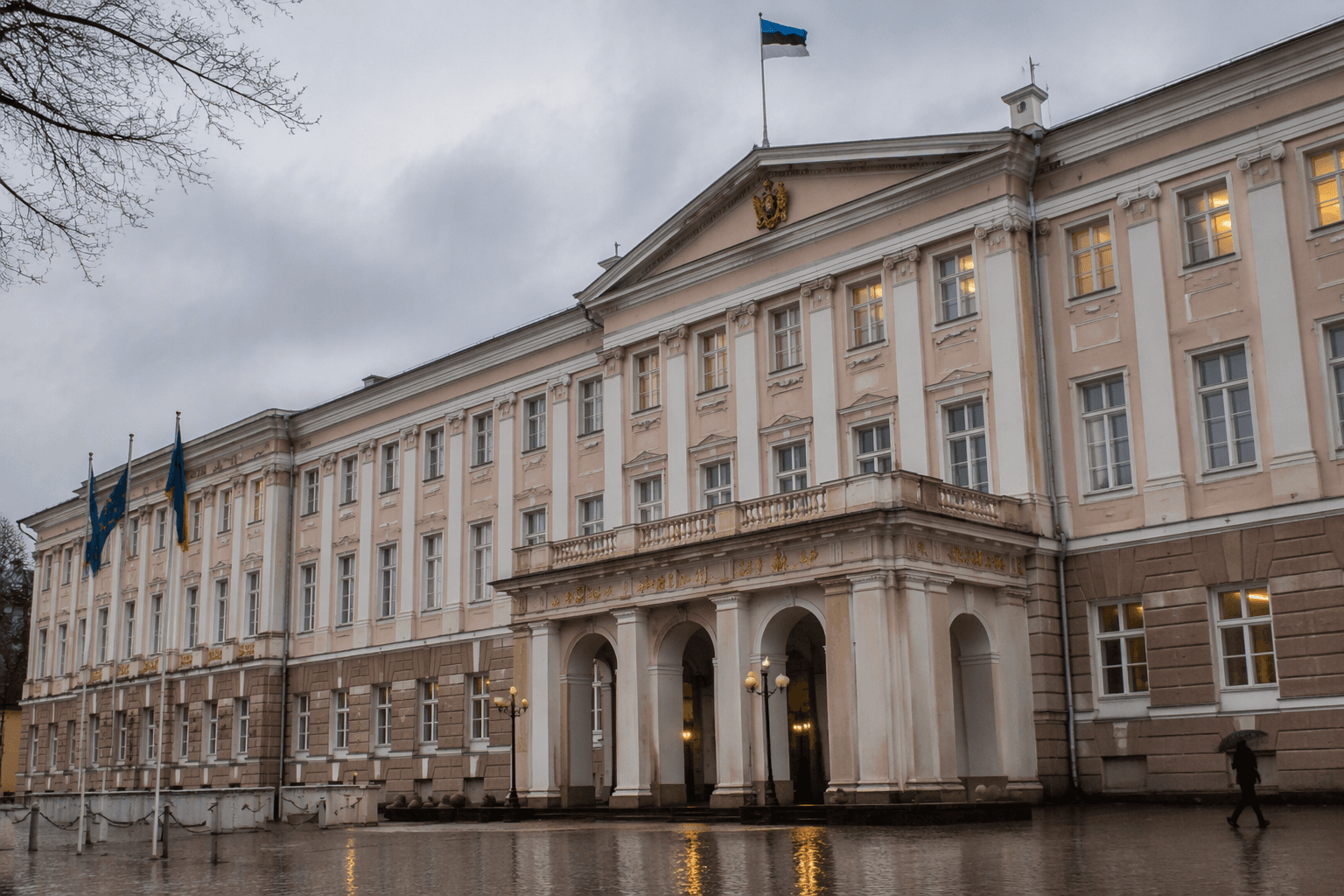
That warning now lands in a parliament where coalition leaders must negotiate each vote more carefully. With 101 members in the Riigikogu, even a small shift in support can decide whether budgets pass on schedule, whether reform bills survive, and whether the government can keep its focus on defense and support for Ukraine while the political ground in Tallinn has become less secure.
Estonia’s membership in the European Union since May 1, 2004, and in the euro area since Jan. 1, 2011, has also made its domestic politics matter beyond its borders. A government that once looked solid now has to prove it can still function without a majority, and the next test will come not from one headline vote, but from the cumulative pressure of governing seat by seat.
This article was produced by Prism’s automated news system from verified source data, official records, and press releases, then run through automated quality and moderation checks before publishing. The system is built and supervised by the people who set the standards it runs under. Read our full AI policy.
Did this article answer your question?