Ethiopia and China Reach Debt Treatment Breakthrough Under G20 Common Framework
Ethiopia and China declared a debt treatment breakthrough on April 3, with Beijing holding the key to unlocking Ethiopia's access to global capital markets.

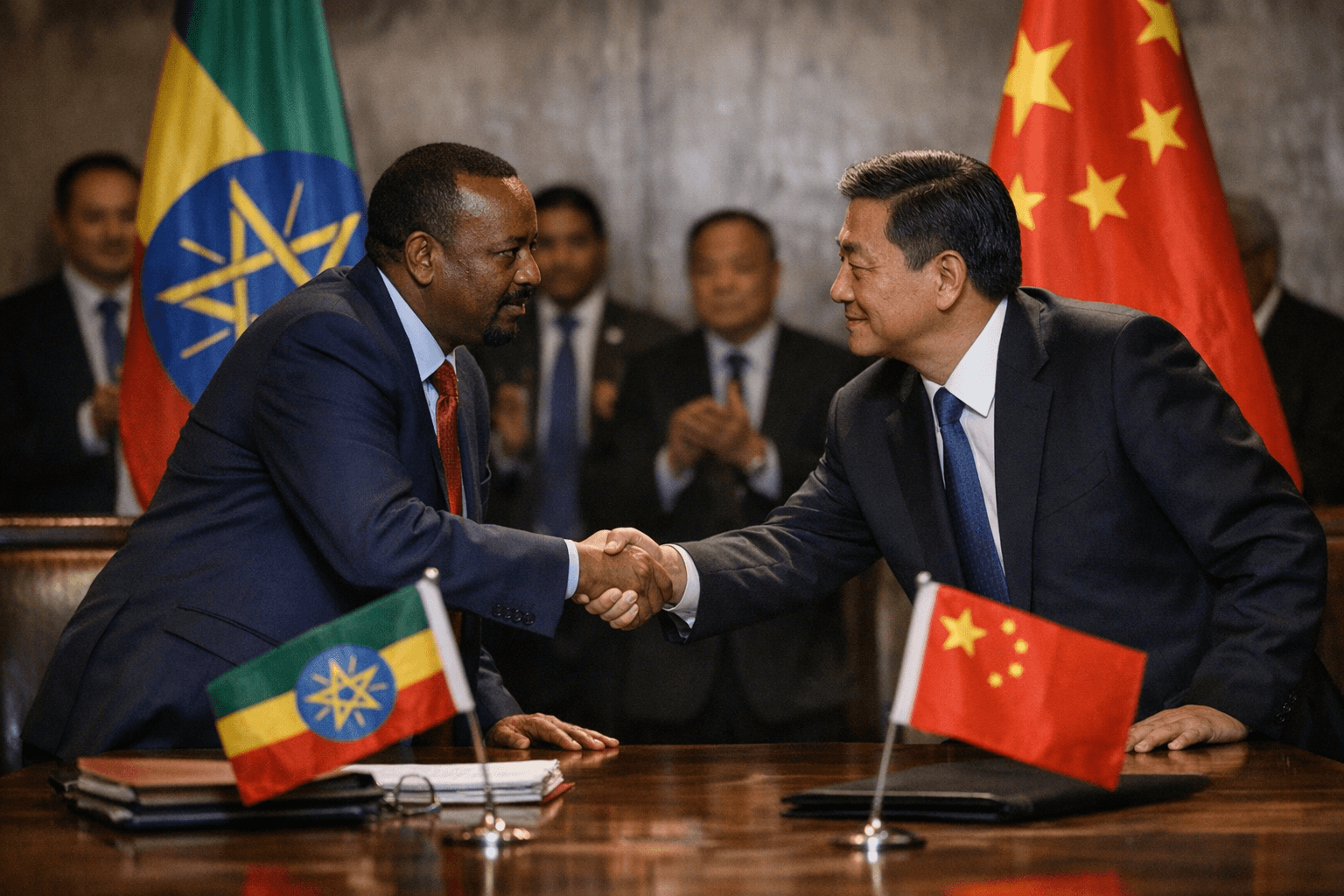
Ethiopia's finance ministry and senior Chinese financial officials declared a breakthrough Thursday in negotiations over the restructuring of bilateral debt, reaffirming a shared commitment to finalize a formal agreement under the G20 Common Framework. The announcement, carried by Ethiopian state media, cleared the way for the next and more technically demanding phase of talks: translating political consensus into binding legal instruments.
High-level delegations from Addis Ababa and Beijing held a series of meetings that included officials from China's Exim Bank, policy banks and export-credit insurance agencies. Ethiopia's finance minister led the Ethiopian side in discussions covering both the restructuring of existing obligations and the potential for new trade and project financing. Both parties agreed to continue working within the Common Framework architecture to formalize a bilateral agreement.
China's role in any resolution is foundational. As Ethiopia's largest bilateral creditor, Beijing's participation is widely regarded as the prerequisite for any comprehensive restructuring that could restore Addis Ababa's access to global capital markets. Ethiopia accumulated its heavy external debt load during a period of rapid infrastructure expansion, and the 2020-22 conflict period compounded the strain, leaving the country unable to meet some commercial obligations and forcing a broader restructuring effort that spans official bilateral creditors, commercial bondholders and multilateral lenders.
The talks surfaced concrete financing ambitions alongside the restructuring discussion. Ethiopian officials referenced potential Chinese financing for the proposed Bishoftu International Airport and raised currency-swap arrangements and yuan-denominated trade settlement mechanisms as tools to ease future repayment pressures. Securing Chinese support could also reduce Ethiopia's immediate legal exposure to litigation from commercial creditors, who have so far been watching the bilateral track closely before committing to their own terms.
Analysts caution, however, that an "agreement on treatment" is a political milestone, not a concluded deal. The detailed legal documentation that must follow is frequently protracted, and creditors across each category, including bondholders, must ultimately accept specific terms, whether haircuts, maturity extensions or currency conversions, before any package becomes implementable. The scope of fiscal relief Ethiopia ultimately receives will depend on how those negotiations unfold across all creditor groups, coordinated under the Common Framework's multilateral structure.
For Beijing, the deal reinforces its strategic economic presence in the Horn of Africa while strengthening China's role within the G20-led debt-relief architecture, a signal to other borrowing nations about Beijing's willingness to engage multilateral processes on creditor coordination. For Addis Ababa, the path from Thursday's announcement to a stabilized macroeconomic outlook runs through the binding bilateral instruments, creditor coordination meetings and implementation measures that now lie ahead.
This article was produced by Prism’s automated news system from verified source data, official records, and press releases, then run through automated quality and moderation checks before publishing. The system is built and supervised by the people who set the standards it runs under. Read our full AI policy.
Did this article answer your question?