U.S. renews strikes on Iran as ceasefire talks hang in balance
Fresh U.S. strikes in southern Iran were cast as troop protection, even as Tehran warned of retaliation and ceasefire talks kept moving.
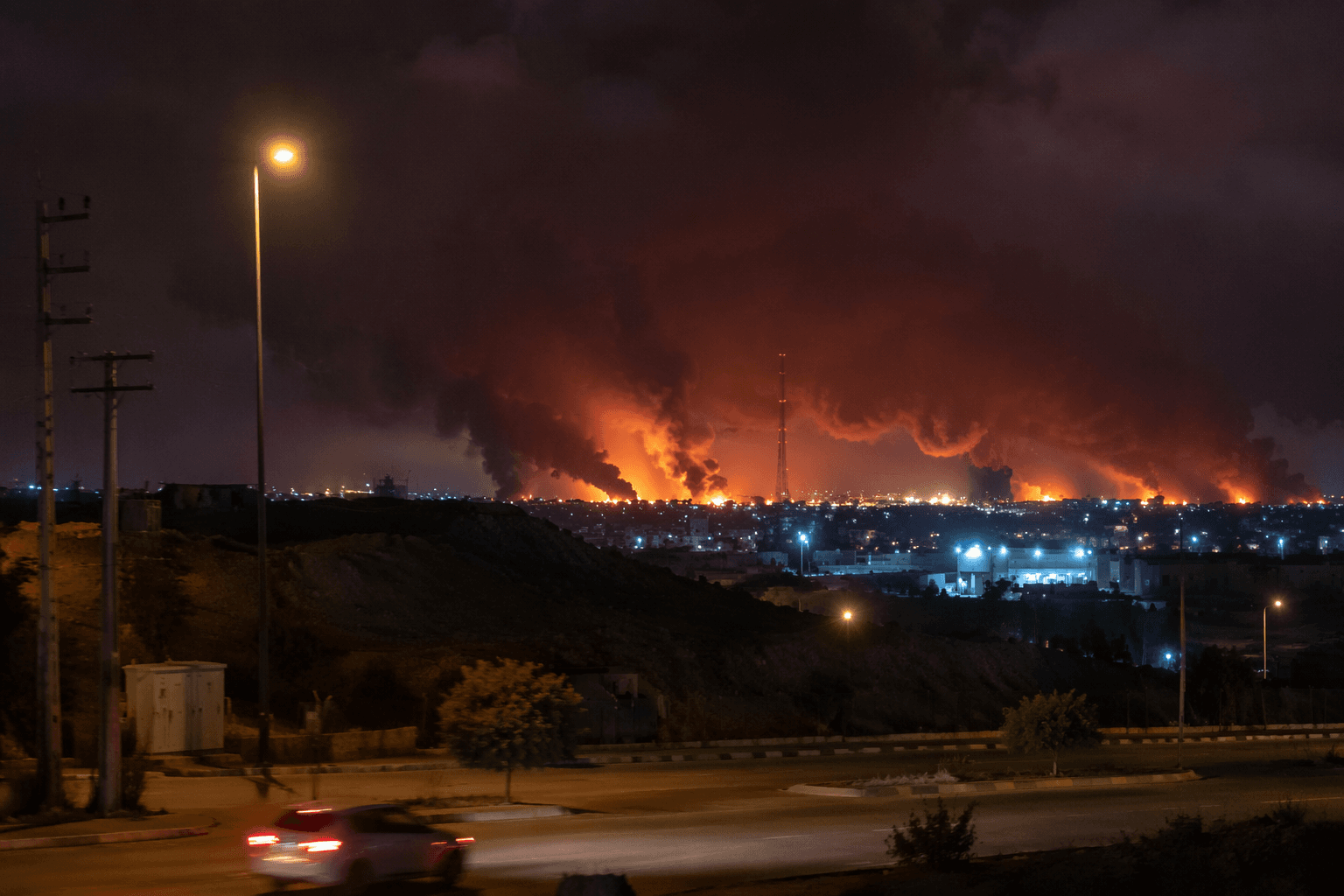
Fresh U.S. strikes in southern Iran, described by the military as necessary "to protect our troops from threats posed by Iranian forces," have pushed the conflict closer to a wider war even as ceasefire talks in Qatar remain alive. The strikes sharpen the risk of mission creep: a campaign sold as force protection is now colliding with diplomacy, and Tehran said it reserves the right to retaliate.
The administration’s legal posture is self-defense. U.S. diplomats and commanders have consistently said the strikes are aimed at preventing attacks on American forces and neutralizing what they describe as an imminent Iranian threat. That framing answers Washington’s first question, but it does not settle the larger one of how a protection mission ends when each new strike gives Iran another reason to respond.
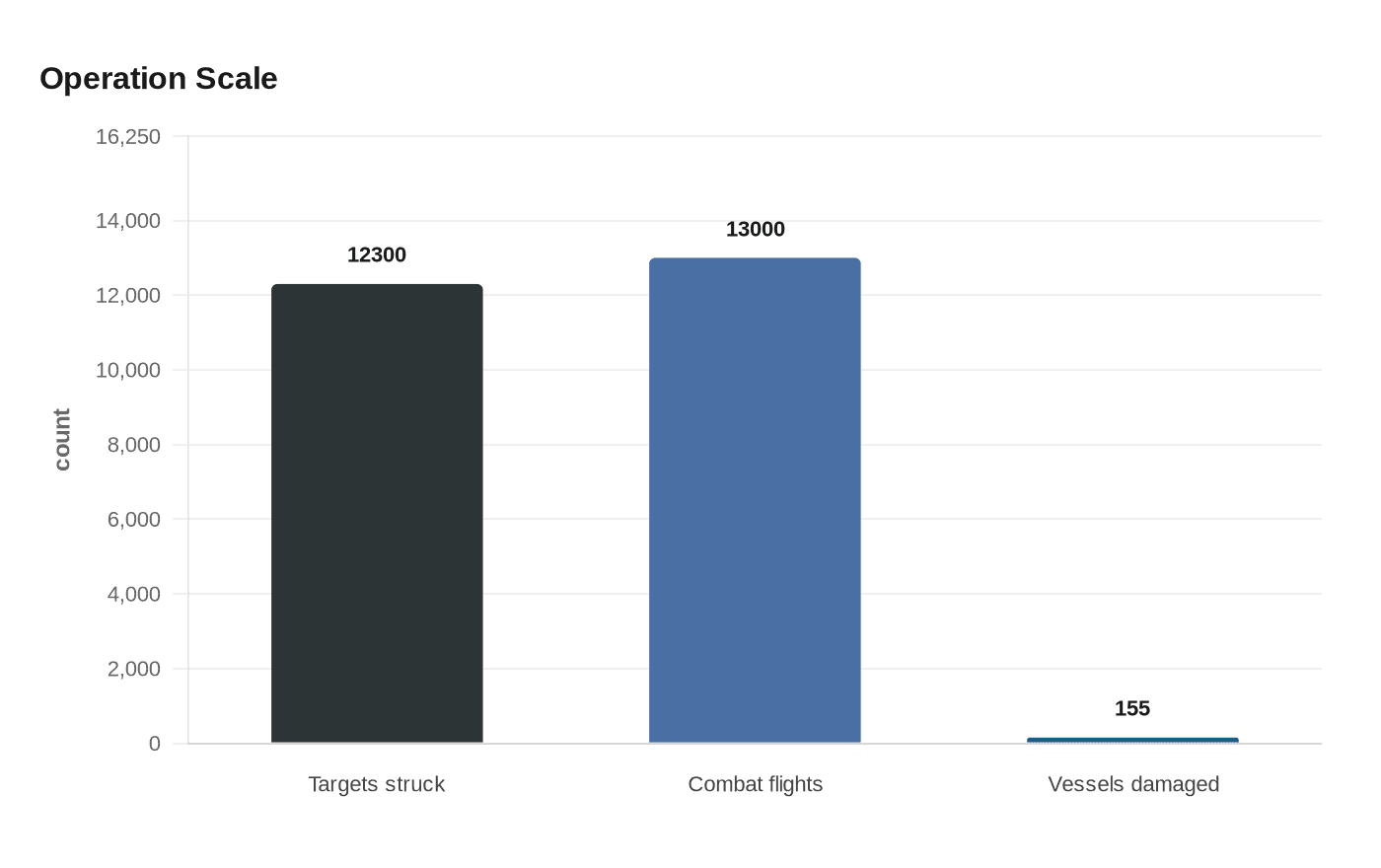
The wider campaign has already become enormous. Operation Epic Fury began on Feb. 28, 2026, at 1:15 a.m., with the stated goal of destroying Iranian offensive missiles, missile production, naval assets and other security infrastructure. By April 1, Pentagon figures put the campaign at more than 12,300 targets struck, more than 13,000 combat flights and more than 155 Iranian vessels damaged or destroyed. The White House said Donald Trump initially cast it as a four-to-six-week military operation, and later said the campaign ran 38 days of major combat.
Secretary of State Marco Rubio said on May 26, 2026, that the Iran deal remained "a work in progress" and that it would take "a few more days" to see whether an agreement could be finished. That leaves the off-ramp resting on talks that are still fragile and undefined. One possible structure would reopen the Strait of Hormuz first, then allow 30 to 60 days of nuclear negotiations. But the latest strikes, and Tehran’s warning that it may retaliate, make it harder to separate a limited military pressure campaign from the broader war Washington says it wants to end.
The fallout is spreading beyond the battlefield. The Pentagon canceled a planned deployment of 4,000 troops to Poland amid frustration with NATO’s limited role in the Iran war, a sign that the military burden is already shaping U.S. posture elsewhere.
Know something we missed? Have a correction or additional information?
Submit a Tip