UN opens formal talks on killer robots in Geneva
Formal UN talks on killer robots in Geneva began as AI-powered targeting was already edging closer to combat, widening the gap between diplomacy and battlefield reality.
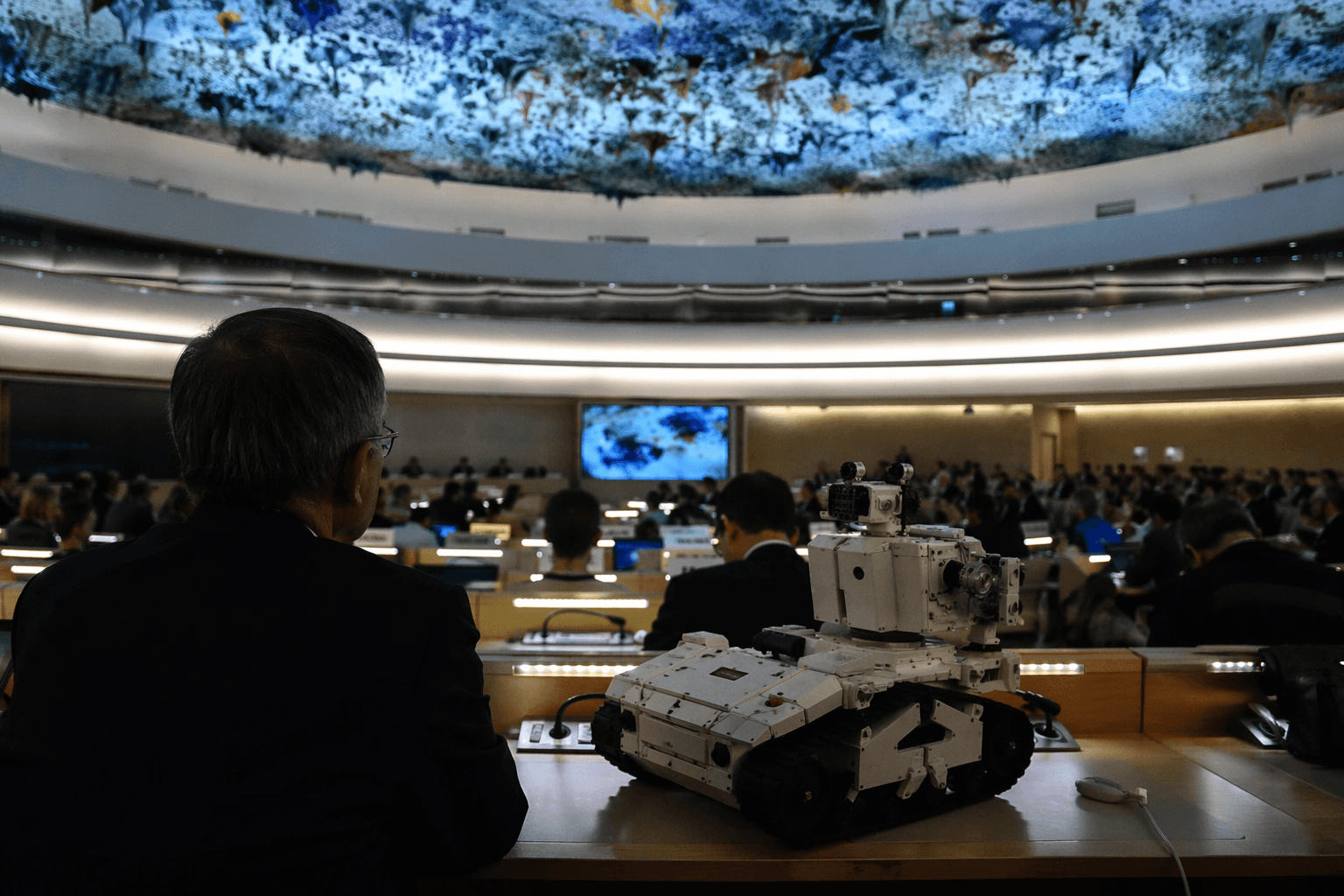
The United Nations was still debating whether to rein in killer robots even as AI-enabled targeting, surveillance and decision support were already moving into military use. In Geneva, the Convention on Certain Conventional Weapons became the main diplomatic arena for a fight over whether machines should ever be allowed to select and attack people without meaningful human control.
The CCW, adopted in Geneva on 10 October 1980 and in force since December 1983, was built to prohibit or restrict weapons judged excessively injurious or indiscriminate. Its formal work on lethal autonomous weapons systems hardened after the Fifth Review Conference in 2016 established an open-ended Group of Governmental Experts, which met for the first time from 13 to 17 November 2017. A separate meeting of High Contracting Parties followed in Geneva from 22 to 24 November 2017, turning what had often been a speculative discussion into a structured diplomatic process.
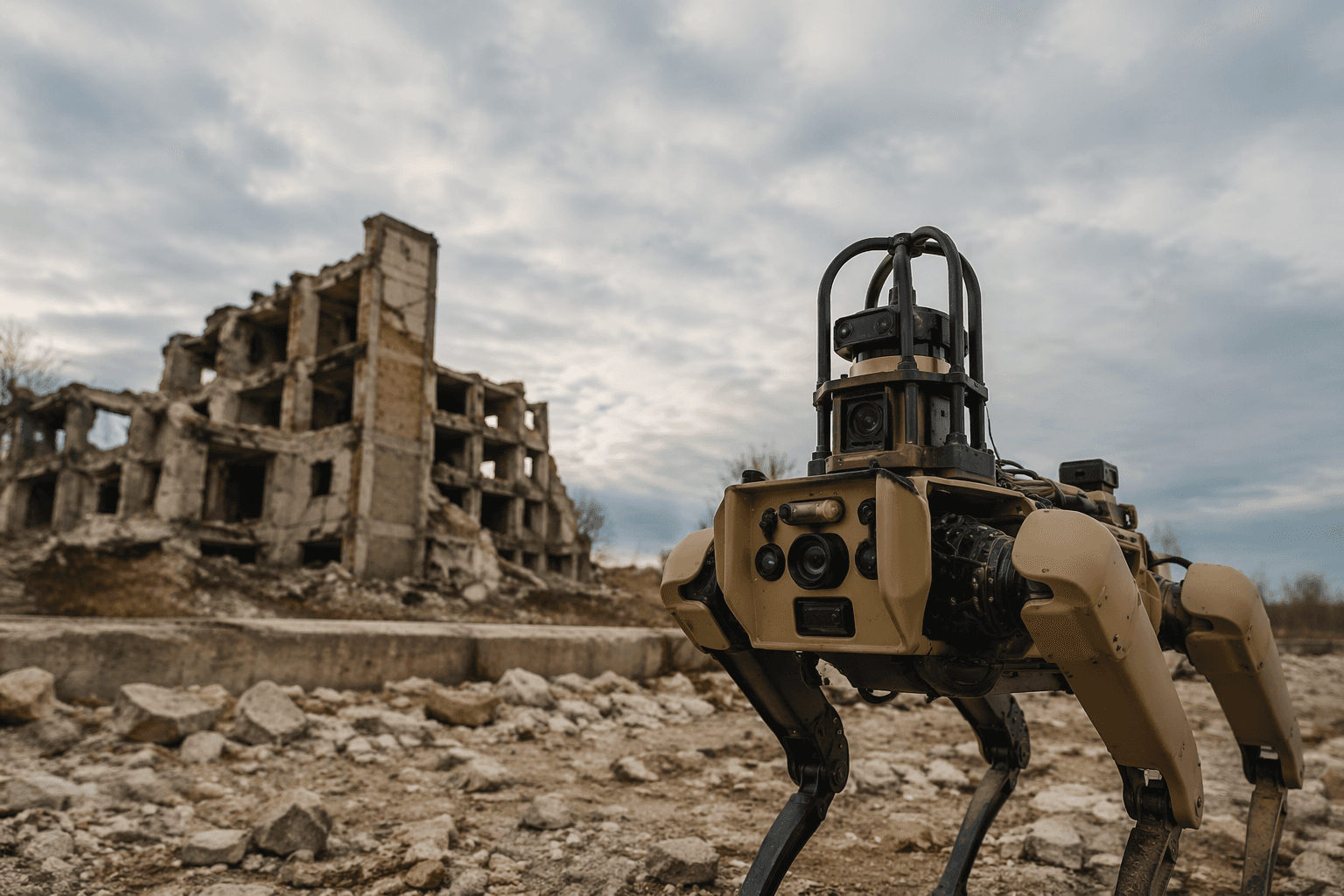
Branka Marijan, who attended the November 2017 sessions, expected routine hypotheticals about a future war fought by robots. Instead, the talks unfolded against growing alarm that the technology was already arriving in forms that blurred the line between human control and machine autonomy. The United Nations Office for Disarmament Affairs has said artificial intelligence is not a prerequisite for autonomous weapons, but it can further enable them when incorporated. That distinction mattered in Geneva because the issue was no longer only about fully independent machines, but about the accelerating spread of AI into weapons that could shorten the distance between human intent and machine action.
The International Committee of the Red Cross defines autonomous weapon systems as systems with autonomy in critical functions that can select and attack targets without human intervention. That definition cut to the central legal and moral question in Geneva: where does human responsibility begin and end when software helps decide who is targeted? Human Rights Watch said the 2017 talks missed a chance to move ahead on preventing weapons that select and engage targets without meaningful human control. The Campaign to Stop Killer Robots, launched in 2013, kept pressing for a preventive ban.
The talks also exposed a split among governments. Some pushed for a binding treaty; others preferred continued discussion inside the CCW framework. The European Union’s formal statement in the 2017 meetings showed how far the debate had moved from a niche ethics concern to a serious multilateral policy fight. Even so, the delegates left Geneva with more process than restraint, agreeing to keep negotiating rather than ban weapons that could autonomously choose and attack human targets.
Know something we missed? Have a correction or additional information?
Submit a Tip