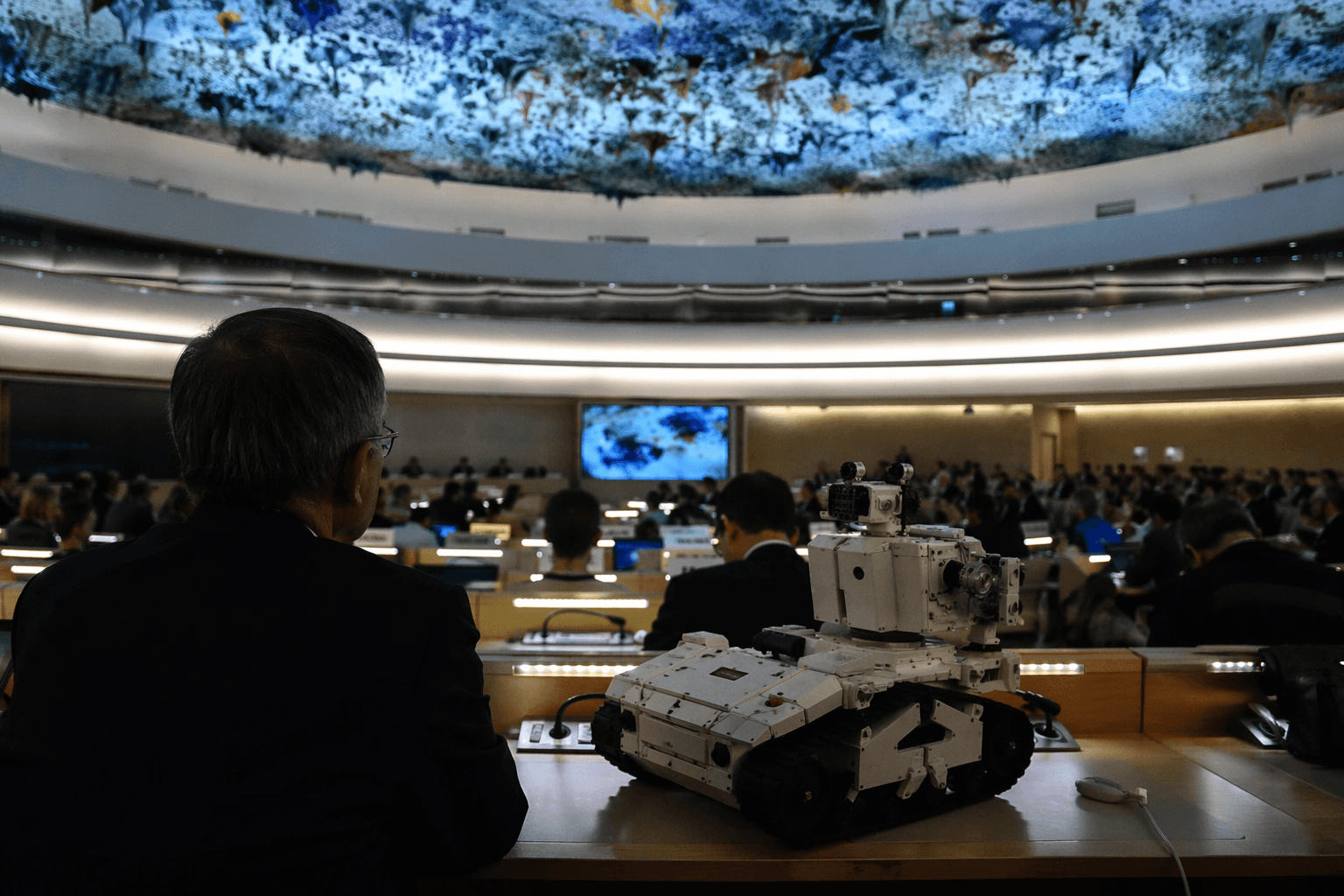
Pope Leo XIV urges AI leaders to slow down, protect humanity
The Vatican placed an Anthropic co-founder beside Pope Leo XIV as it pressed AI firms to slow down and keep machines subordinate to human dignity.
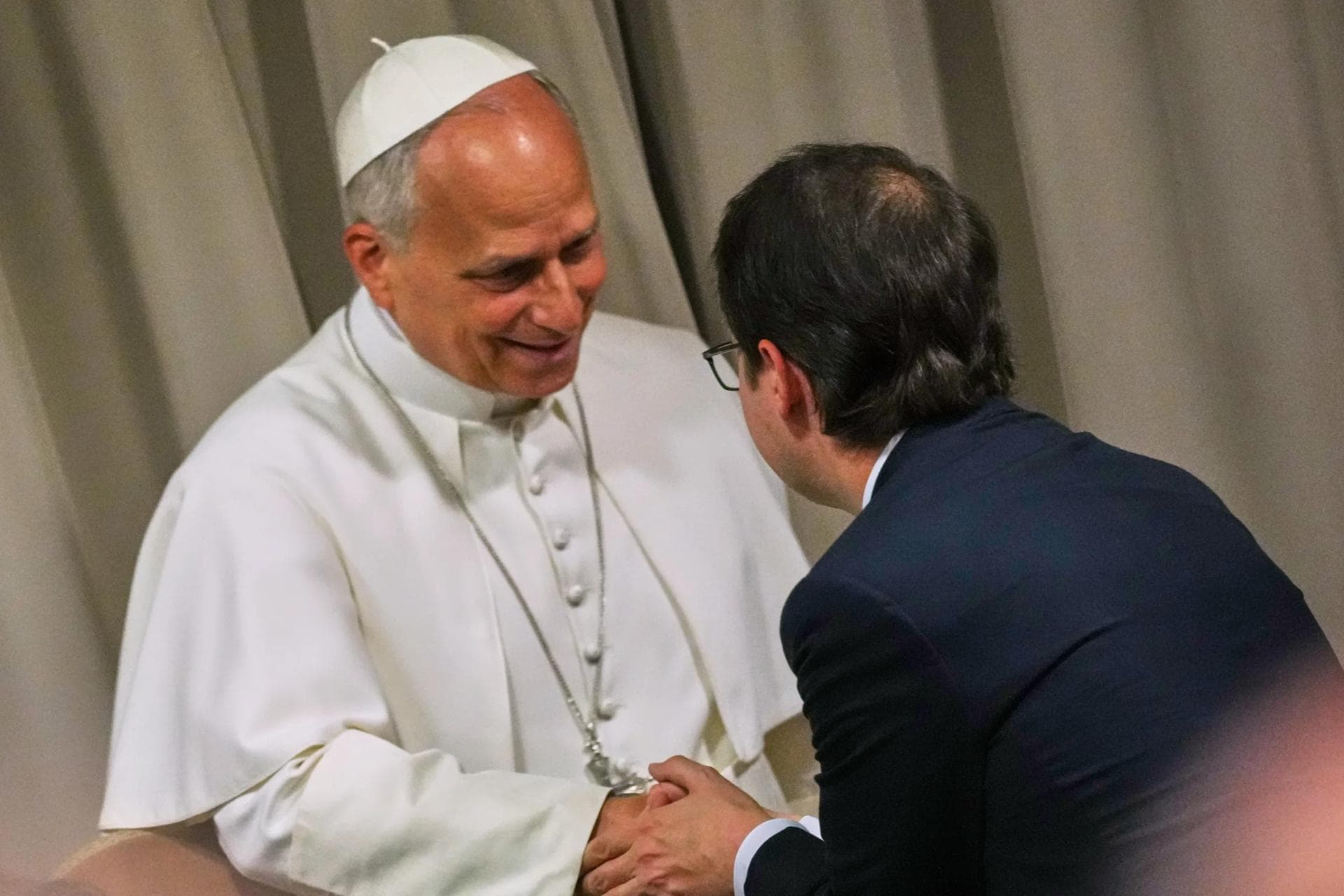
The Vatican put a Silicon Valley AI insider in the room as Pope Leo XIV called on technology leaders to slow down and judge artificial intelligence by its impact on human dignity. Christopher Olah, co-founder of Anthropic, the maker of the Claude chatbot, was invited to speak in Synod Hall during the public rollout of the pope’s first encyclical, an unusual break from the normal practice of leaving such presentations to cardinals and press officials.
That document, Magnifica Humanitas, or Magnificent Humanity, was signed on May 15, the 135th anniversary of Pope Leo XIII’s Rerum Novarum, and released on May 25. The Vatican said the encyclical is formally focused on safeguarding the human person in the time of artificial intelligence, a framing that puts labor, dignity and human agency at the center of the Church’s response to a technology advancing faster than most governments can regulate.
Olah used the Vatican stage to describe the pressures facing frontier AI labs, saying their incentives and constraints can conflict with doing the right thing. He pointed to commercial pressure and geopolitical pressure, a reminder that the race to build more capable systems is now shaped as much by competition among companies and countries as by any shared safety standard. Anthropic has tried to position itself as an AI-safety-minded company, and its presence at the Vatican underscored how closely the Church is engaging with the firms building the most powerful systems.
The symbolism of the event went beyond one executive. Vatican and Catholic-media reports described the Church’s outreach to the tech industry as part of roughly 10 years of dialogue on AI ethics, showing that the Holy See is not starting from zero but deepening a relationship with frontier labs as the stakes rise. By inviting a co-founder of one of the industry’s best-known AI companies into the Synod Hall, the Vatican signaled that it sees moral influence as something that must be built through contact with the people making the technology, not only through theological statements from afar.
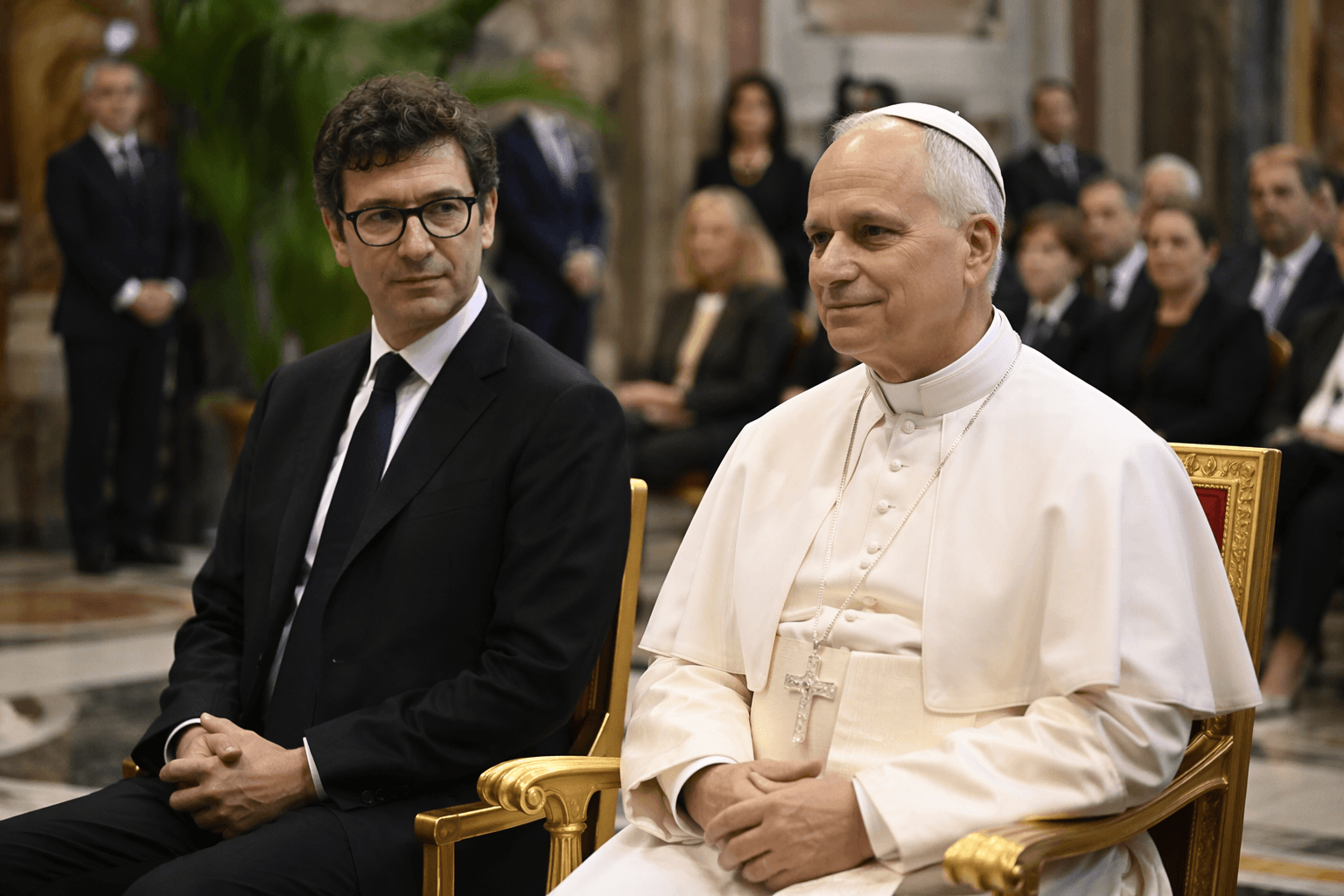
Leo’s message in the encyclical and accompanying remarks was aimed as much at policy makers as at engineers. He urged governments to create adequate regulatory tools, said AI should be “disarmed” rather than allowed to dominate human beings, and insisted that the technology remain subordinate to human dignity. Vatican reporting said he also urged young people to learn moderation and discipline in their use of technology, and called on the Church and educational systems to foster media literacy and AI literacy so they can think critically.
The Vatican’s bet is that moral authority can still shape a field driven by speed, capital and scale. Whether that influence reaches boardrooms and legislatures will depend on how many leaders, in and beyond the Church, are willing to treat restraint as a strategic necessity rather than a sign of weakness.
Know something we missed? Have a correction or additional information?
Submit a Tip