U.S. strikes Iran as peace talks near breakthrough
U.S. strikes hit missile sites and boats near Bandar Abbas just as negotiators neared a deal on uranium, assets and the Strait of Hormuz.
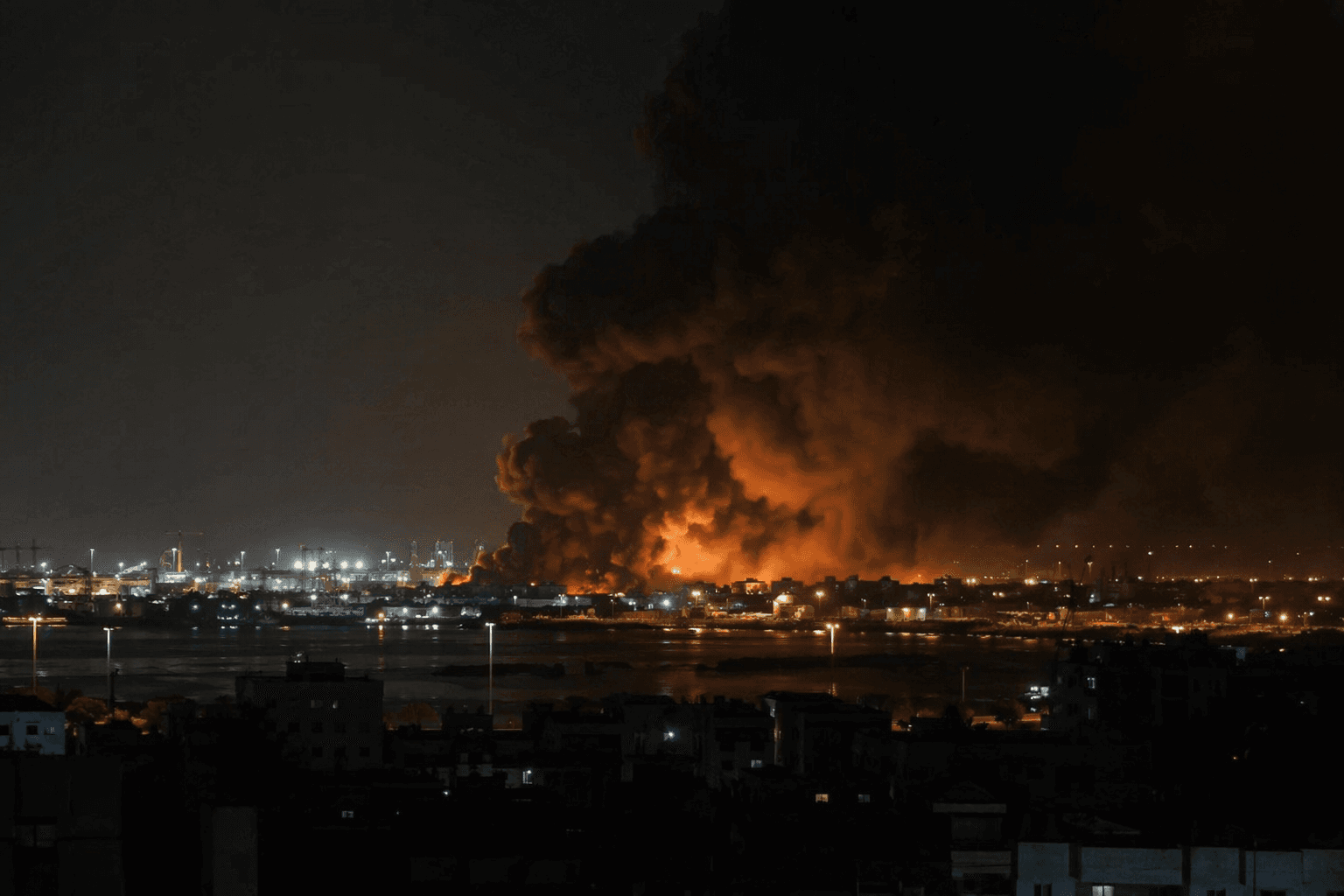
American airstrikes hit southern Iran even as U.S. and Iranian negotiators were said to be closing in on a framework that could ease one of the world’s most dangerous standoffs. The clash sharpened the central contradiction of the moment: Washington described the attack as self-defense, while Tehran called it a direct breach of a fragile ceasefire and warned of consequences.
U.S. Central Command said it carried out “self-defense strikes” on May 25 in southern Iran to protect American troops from threats posed by Iranian forces. The targets included missile launch sites and Iranian boats that were attempting to emplace mines near Bandar Abbas, close to the Strait of Hormuz, the narrow waterway through which a major share of global oil shipments pass. Iranian officials said the strikes were a “clear violation of the ceasefire,” and the Islamic Revolutionary Guard Corps vowed to “respond decisively to any violation of the ceasefire.”
The attacks landed against the backdrop of six to seven weeks of fighting and a ceasefire that took effect on April 8. Behind the military exchange, diplomats had been discussing what looked like a narrow but real opening. U.S. and Iranian negotiators had agreed in principle on broad terms, including the disposal of highly enriched uranium, and the latest proposal reportedly included reopening the Strait of Hormuz, unfreezing some Iranian assets held in foreign banks and continuing negotiations. Secretary of State Marco Rubio said a deal could be finalized in “a couple of days,” even as Iran said no agreement was imminent.
The legal and strategic stakes are unusually high. In March, UN experts condemned U.S. and Israeli attacks on Iran as “entirely illegal under international law” and an act of aggression, warning that military pressure while diplomacy was underway risked a broader regional escalation. That criticism makes Washington’s self-defense argument harder to sustain in international forums, especially if the strike is seen less as a discrete protective action than as part of a widening campaign.
The market implications are immediate. Any disruption near the Strait of Hormuz threatens shipping routes and energy flows that already have rattled fuel prices across the region and beyond. If the strikes were meant to strengthen Washington’s hand, they also carried the opposite risk: giving hard-liners in Tehran reason to argue that talks were being overshadowed by force, not reinforced by it.
Know something we missed? Have a correction or additional information?
Submit a Tip