Iran accuses U.S. of ceasefire violation after fresh strikes, talks continue
Fresh U.S. strikes in southern Iran jolted ceasefire talks as Tehran called them a grave violation and Washington kept pushing a deal.

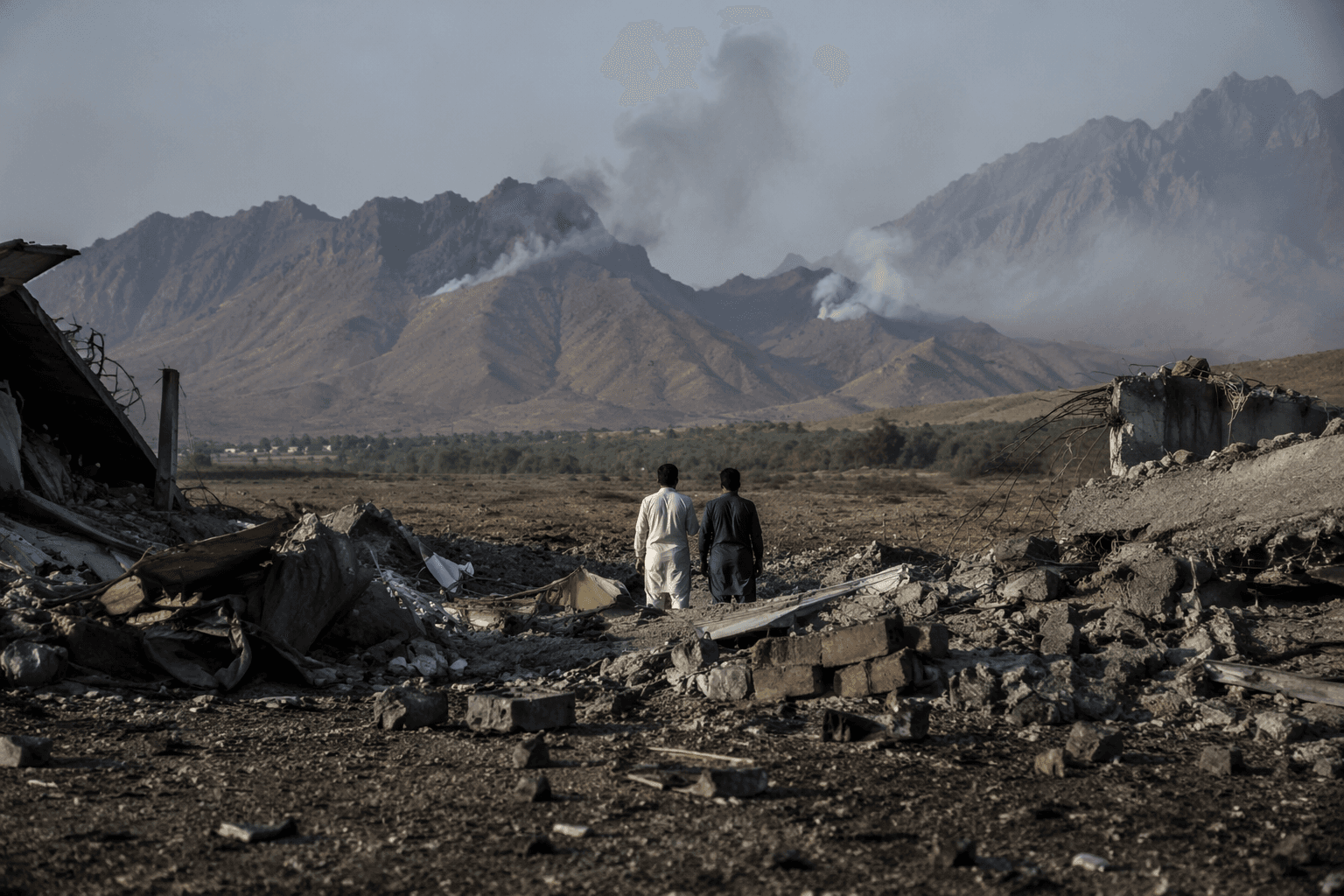
American strikes in southern Iran put the ceasefire under immediate strain, even as Washington and Tehran kept talking through Qatar and publicly insisted an agreement was still within reach. Iran’s Foreign Ministry called the new attacks a “grave violation” of the fragile ceasefire, while the Iranian Revolutionary Guard said it had the right to respond to any U.S. breach.
The U.S. military described the strikes as “self-defense strikes” and said they targeted missile launch sites and Iranian boats that were attempting to lay mines near the Strait of Hormuz, the narrow waterway that carries a huge share of global oil traffic. The location mattered as much as the timing: any escalation near the Strait of Hormuz risks rattling shipping lanes, oil prices and wider regional stability.
Marco Rubio said a deal with Iran was still possible and that negotiations could take “a few days,” even after the latest clash. CBS News reported that talks were still continuing in Qatar, and Reuters said a Qatari negotiating team arrived in Tehran on May 22, 2026, in coordination with the United States to help secure a settlement.
Donald Trump has framed the diplomacy as a hard test of leverage, warning that any agreement had to be a “good deal or no deal” and saying he would accept only “a great deal for all or no deal at all.” He also said the emerging agreement was “largely negotiated” but still needed finalization. That leaves the talks at a delicate stage: pressure is rising, but neither side has walked away.
The central dispute remains the same. The negotiations are still focused on Iran’s nuclear program, including highly enriched uranium, and on the Strait of Hormuz, where control and access could determine how much room both sides have to claim victory. Iranian officials have signaled that the latest strikes could harden resistance. U.S. officials are signaling the opposite, that force and diplomacy can still be paired to keep Tehran at the table.
For now, the ceasefire is being tested not by a formal collapse but by a widening gap between the language of restraint and the reality of fresh military action. If the talks fail, the immediate risk is not just another exchange of strikes. It is a broader confrontation that could spread across the Gulf and reverberate through global energy markets.
This article was produced by Prism’s automated news system from verified source data, official records, and press releases, then run through automated quality and moderation checks before publishing. The system is built and supervised by the people who set the standards it runs under. Read our full AI policy.
Know something we missed? Have a correction or additional information?
Submit a Tip