Ethiopia Rations Fuel, Prioritizes Key Vehicles as Middle East War Disrupts Supplies
Ethiopia's daily diesel fell to 4.5 million litres after 180,000 metric tons of fuel failed to reach its ports, forcing emergency rationing tied to the Iran-Israel war.
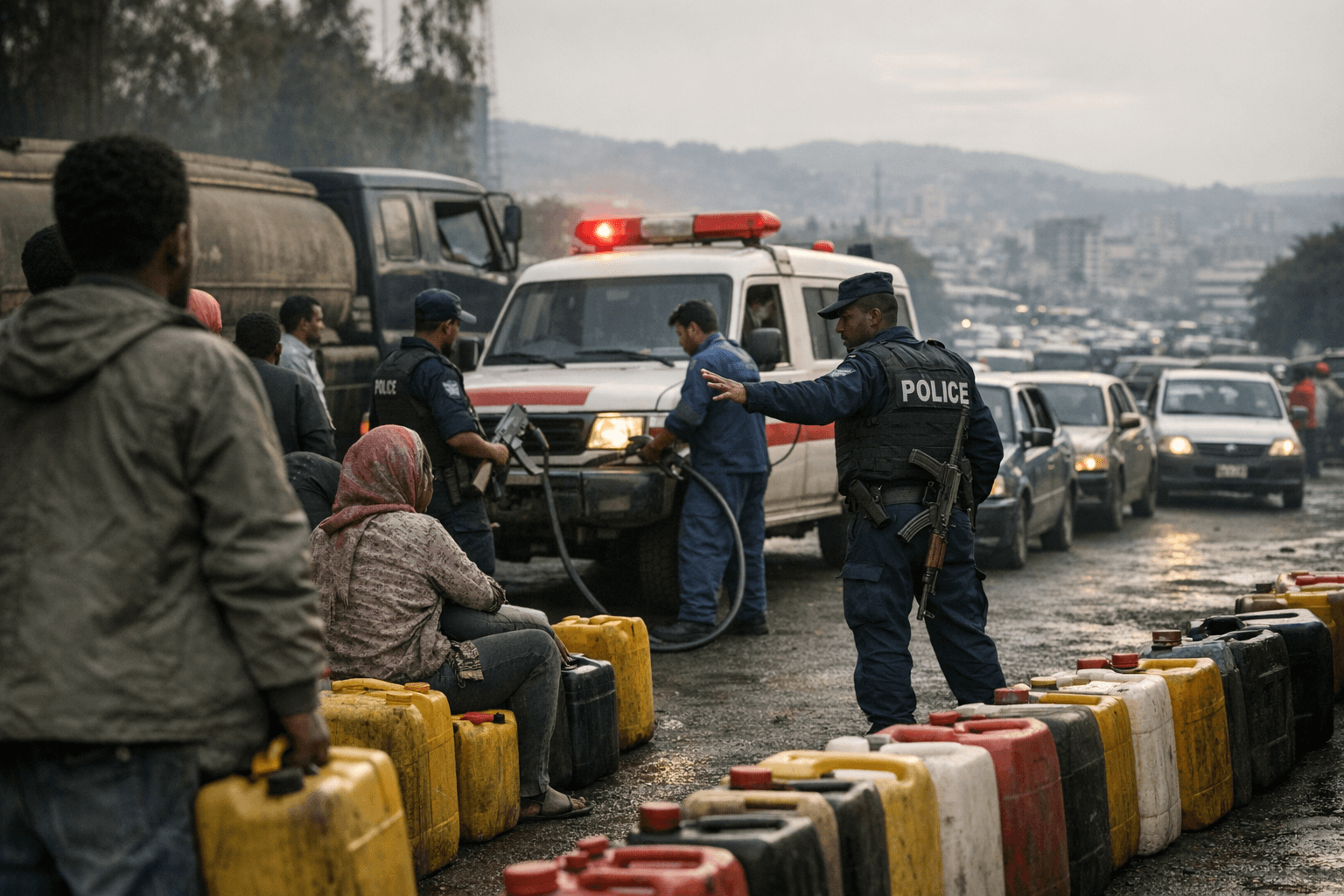
The near-halving of Ethiopia's daily diesel supply set off emergency rationing measures on March 31, after more than 180,000 metric tons of fuel failed to reach Ethiopian ports amid shipping paralysis caused by the Iran-Israel war.
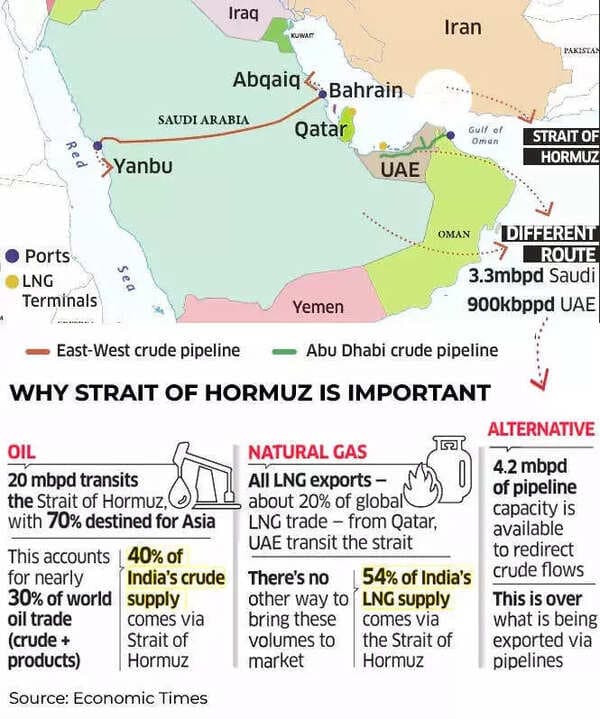
Ethiopia's Trade Ministry and Petroleum and Energy Authority announced a priority list of seven vehicle categories that would receive preferential pump access, after daily diesel deliveries fell from roughly 9.2 million litres to 4.5 million litres in recent days. The government said shipments scheduled from Gulf suppliers either failed to arrive or were significantly delayed following the effective closure of the Strait of Hormuz, exposing the deep vulnerability of a country that imports virtually all of its petroleum products.
Authorities placed public transport and vehicles carrying agricultural produce and essential goods at the top of the distribution hierarchy, a deliberate attempt to insulate food supply chains from a crisis that threatens to cascade well beyond the pump. Officials urged citizens to conserve fuel, rely on public transport, and walk where possible, while calling for accelerated uptake of renewable energy.
The stakes are severe in a country where headline inflation already sits at roughly 10% and approximately 40% of the population lives below the poverty line. Rationing and rising pump prices will squeeze households and private businesses hardest, and the strain extends to logistics networks, food distribution channels, and public services that depend on diesel to function. Agricultural transport disruptions risk shortfalls in markets that low-income households rely on for basic food access, raising the specter of black-market fuel sales and price gouging in communities with the fewest options.
Ethiopia's predicament illustrates how a conflict centered thousands of miles away can transmit economic shocks almost instantly to landlocked African importers. The Strait of Hormuz closure rippled through freight costs and commodity prices globally, but it lands disproportionately on import-dependent nations with limited foreign reserves and no domestic energy production to fall back on.
Officials reiterated long-term commitments to expand electric-vehicle adoption, citing earlier import-tax cuts and planned restrictions on combustion-engine imports. EV penetration remains low, however, and no renewable transition can substitute for diesel supply losses within weeks or even months. The emergency measures will likely remain in force as long as the conflict continues to disrupt regional shipping, and economists warn that sustained energy shortages and price shocks could weigh heavily on broader economic growth.
This article was produced by Prism’s automated news system from verified source data, official records, and press releases, then run through automated quality and moderation checks before publishing. The system is built and supervised by the people who set the standards it runs under. Read our full AI policy.
Did this article answer your question?