Ethiopian woman welcomes quintuplets after 12 years of infertility
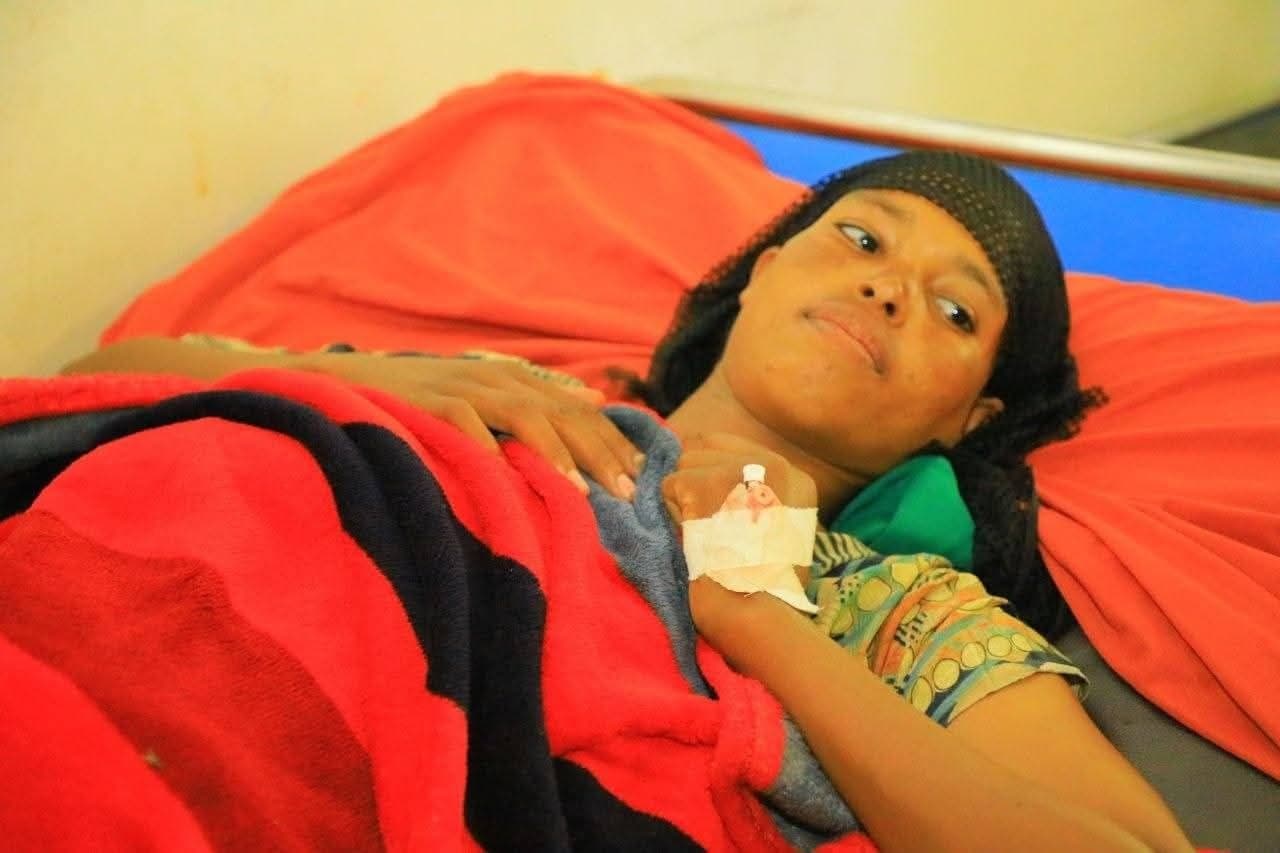
After 12 years of trying to conceive, Bedriya Adem gave birth to quintuplets in eastern Ethiopia. The mother was stable, and all five newborns were in NICU follow-up.
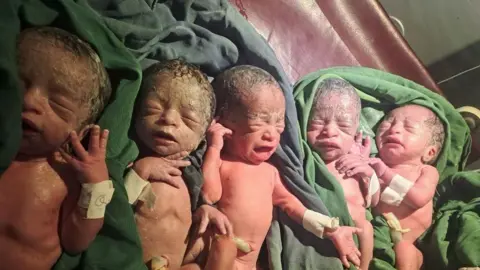
A 35-year-old Ethiopian woman gave birth to quintuplets, four boys and one girl, after 12 years of trying to conceive, a rare multiple birth that has put a hard spotlight on maternal and neonatal care in eastern Ethiopia. Bedriya Adem, also spelled Bedria Adem in local reporting, delivered at Haramaya University’s Hiwot Fana Comprehensive Specialized Hospital in Harari Regional State.
Hospital staff said the mother was in stable condition after delivery and all five babies were in good health, with each newborn placed under specialized follow-up in the neonatal intensive care unit. One report said the pregnancy followed ovulation induction treatment, a fertility intervention that can stimulate the ovaries to release multiple eggs and increase the chance of a multiple birth.
The family’s joy has been matched by a practical problem that is common after high-order multiple births: how to pay for and care for five infants at once. The appeal for support underscores the financial burden of neonatal supplies, feeding, transport and follow-up care, especially for a family that had spent more than a decade seeking a pregnancy. In a setting where advanced obstetric and neonatal services are limited outside major referral centers, quintuplets place immediate pressure on both household resources and hospital capacity.
Hiwot Fana Comprehensive Specialized Hospital is one of the region’s key referral facilities and a teaching hospital run by Haramaya University. The university says the hospital serves a catchment population of more than 6 million, while its wider eastern Ethiopia referral area has been described as reaching 20 million people. The hospital was originally built during the Italian invasion of Ethiopia and was handed over to Haramaya University on July 14, 2010.
The birth also highlights the role of tertiary care in managing high-risk pregnancies that require close monitoring before and after delivery. Quintuplets are medically demanding from the first hours of life, when premature birth, low birth weight and feeding complications can quickly become life-threatening. That all five babies were reported to be stable and under NICU follow-up points to the importance of specialized newborn care, but it also shows how quickly one family’s case can reveal larger gaps in access, cost and sustained support for maternal health services.
For Bedriya Adem and her family, the birth ended a 12-year struggle with infertility. For the hospital and the wider health system around Harar, Haramaya and East Hararghe Zone, it is a reminder that complex deliveries demand more than clinical success: they require long-term medical, financial and social support after the delivery room lights go out.
This article was produced by Prism’s automated news system from verified source data, official records, and press releases, then run through automated quality and moderation checks before publishing. The system is built and supervised by the people who set the standards it runs under. Read our full AI policy.
Did this article answer your question?