EU Advances Ukraine Accession Steps, Sidesteps Hungary's Veto
European Union officials in Lviv issued a package of reforms covering roughly half of the accession requirements Ukraine must meet, a pragmatic move to keep integration on track despite a political blockade from Hungary. The step aims to allow concrete reform work to proceed while broader negotiations remain frozen, with implications for EU cohesion, minority rights and the bloc's response to Russian influence.
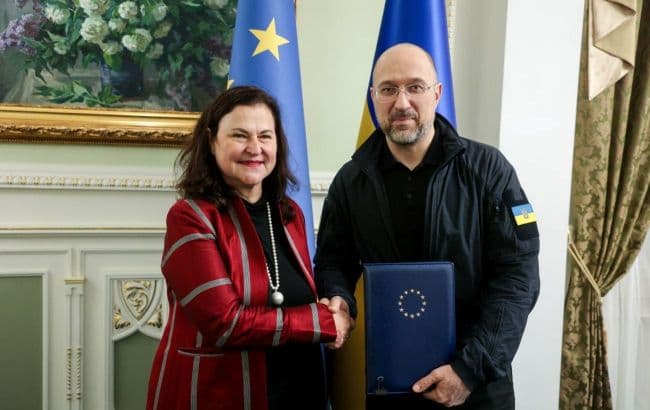
Senior European Union officials and diplomats convened in Lviv on Thursday and handed Ukraine a detailed list of reforms that together account for about half of the criteria Kyiv must satisfy to join the bloc. The package was presented by participants as a practical mechanism to advance parts of the accession process, while formal membership negotiations remain blocked by Hungary.
The Lviv meeting offered a visible demonstration of support for Ukraine’s European path at a time of active conflict on Ukrainian territory. EU officials said the package was designed to enable incremental progress on rule of law, governance and other accession related reforms without triggering the formal negotiating procedures that require unanimity among member states.
Denmark’s minister for European affairs, Marie Bjerre, who spoke in Lviv, signalled broad backing among capitals, telling reporters, "It is very clear that we are 26 member countries that see a future with Ukraine in the EU. It is not a matter of if, it is a matter of when." Reports said a strong consensus existed among the other 26 EU member countries to move forward on Ukraine’s integration even while Budapest dissented.
Budapest has continued to block the opening of full accession talks. Hungarian Prime Minister Viktor Orbán has argued that negotiations should not proceed during wartime and has cited concerns about the rights of the Hungarian minority in Ukraine and a range of economic risks as reasons for his veto. Hungary did not send a representative to the Lviv meeting, and reports noted that Budapest has maintained unusually close ties with Moscow, a posture that has exacerbated tensions with other member states.

European diplomats described the Lviv package as a way to keep Ukraine accountable to EU standards, by focusing implementation efforts on specific reform areas. Officials acknowledged, however, that important questions remain unresolved. Reports did not specify which chapters of the accession framework are included in the roughly half of requirements set out, and no timeline was provided for completing the listed reforms or for when Hungary might lift its veto.
The decision in Lviv underscores a broader diplomatic balancing act for the European Union. Moving ahead with selective accession related work allows the bloc to support Ukraine’s transformation and legal alignment with EU norms without overturning the unanimity rule that governs full membership negotiations. Yet the approach also risks creating a two tier process that could further politicize accession and raise legal and procedural questions about how conditionality will be enforced.
For Kyiv the package offers a concrete channel to pursue reforms and to demonstrate progress to partner capitals and to citizens. For Brussels it is a signal that the EU intends to remain engaged even as it navigates internal divisions and the geopolitical pressures posed by Russia’s war in Ukraine. Coverage of the Lviv meeting and the reform package was reported by EU officials and diplomats present and by reporters on the ground, with one report noting additional contribution from Hadjicostis in Nicosia.
This article was produced by Prism’s automated news system from verified source data, official records, and press releases, then run through automated quality and moderation checks before publishing. The system is built and supervised by the people who set the standards it runs under. Read our full AI policy.
Did this article answer your question?

