EU ambassadors move to release 90 billion euro Ukraine loan
Hungary’s veto finally broke, clearing a 90 billion euro lifeline for Ukraine and a new Russia sanctions package. The delay stretched for months and tested Brussels’ unity.
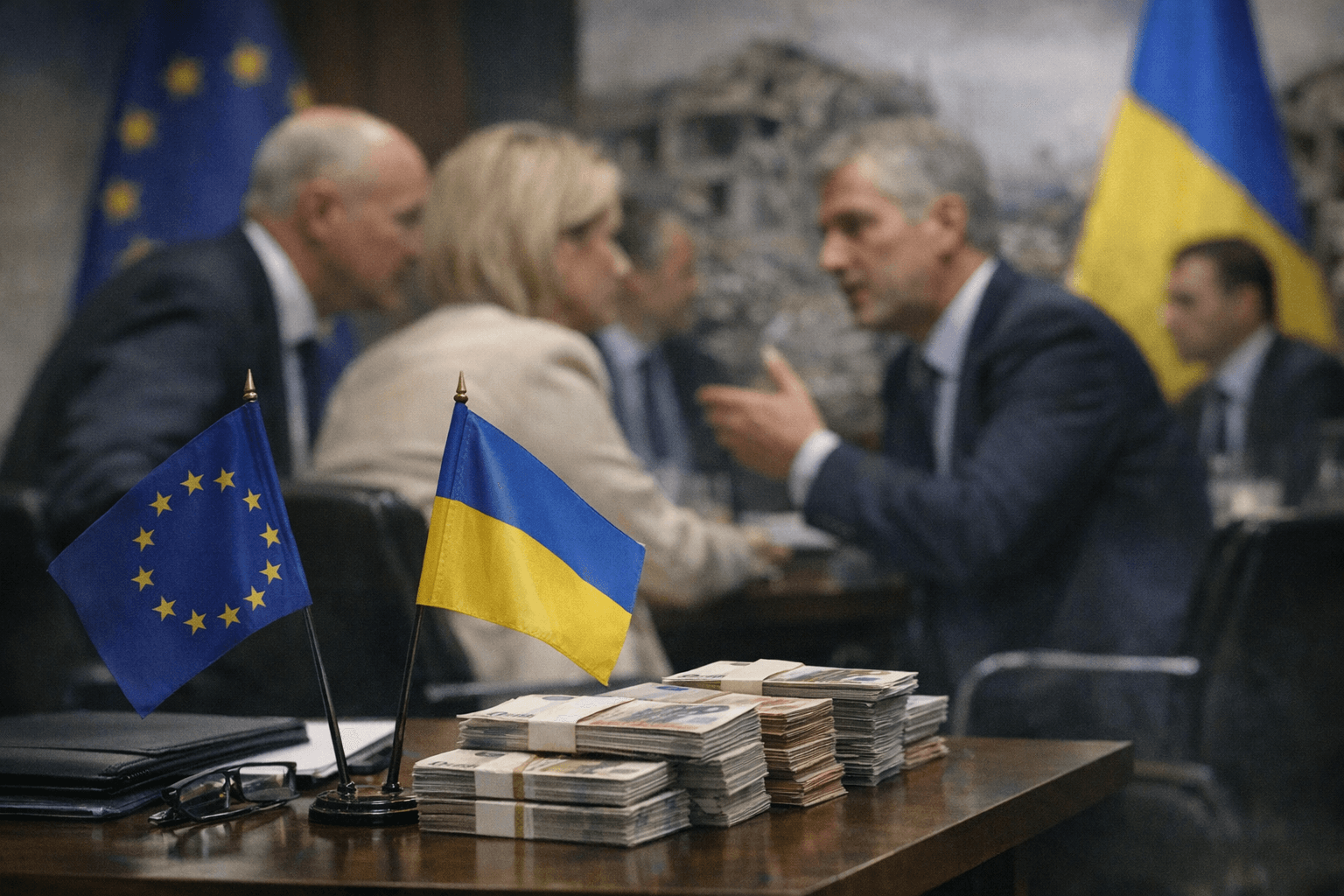
European Union ambassadors cleared the way on Wednesday for a 90 billion euro loan to Ukraine, after Hungary lifted a veto that had frozen one of Brussels’ most consequential aid decisions for months.
The package, described in U.S. reporting as about $106 billion, is meant to support Ukraine’s military and financial needs over the next two years and keep Kyiv liquid through 2026 and 2027. The 27 member states were expected to give final sign-off by Thursday afternoon, according to the Cypriot presidency, while EU officials had already prepared the technical and legal steps needed to release the first payment as soon as the blockage ended.
The breakthrough also unlocked a new European Union sanctions package against Russia. For Brussels, the timing mattered: the same Hungarian veto that slowed the Ukraine loan had also stalled pressure on Moscow, showing how a single government can leverage unanimity rules to shape both aid and sanctions policy.
The deadlock centered on Hungary’s demand over the Druzhba oil pipeline, which supplies Russian oil to Hungary and Slovakia. Reporting said the veto was lifted after Ukraine said the damaged pipeline was ready to resume pumping again. That left Viktor Orban’s government with enough cover to step aside after what Reuters and other coverage described as roughly five months of stalemate.
The delay carried real costs for Ukraine. The EU had agreed to the loan last year specifically to keep the country financially afloat through 2026 and 2027, but every month of blockage prolonged uncertainty over cash flow, military budgeting and the ability to plan beyond the immediate emergency. The prospect of a first payment in a matter of days now offers relief, but only after a long stretch in which Brussels had to wait on one capital’s decision.
Hungary’s own politics helped shape the outcome. On April 13, reporting said incoming Prime Minister Péter Magyar signaled that Hungary would not block the loan, suggesting the end of the standoff was approaching. The latest move may strengthen Europe’s backing for Ukraine in the short term, but it also underlines how fragile that backing remains when it depends on constant bargaining inside the bloc.
This article was produced by Prism’s automated news system from verified source data, official records, and press releases, then run through automated quality and moderation checks before publishing. The system is built and supervised by the people who set the standards it runs under. Read our full AI policy.
Did this article answer your question?


