Pope Leo XIV visits Equatorial Guinea prison, denounces abuses and inequality
Pope Leo XIV used a prison stop in Bata to spotlight abuses in Equatorial Guinea, where Obiang has ruled since 1979 and U.S. critics cite torture and arbitrary arrests.
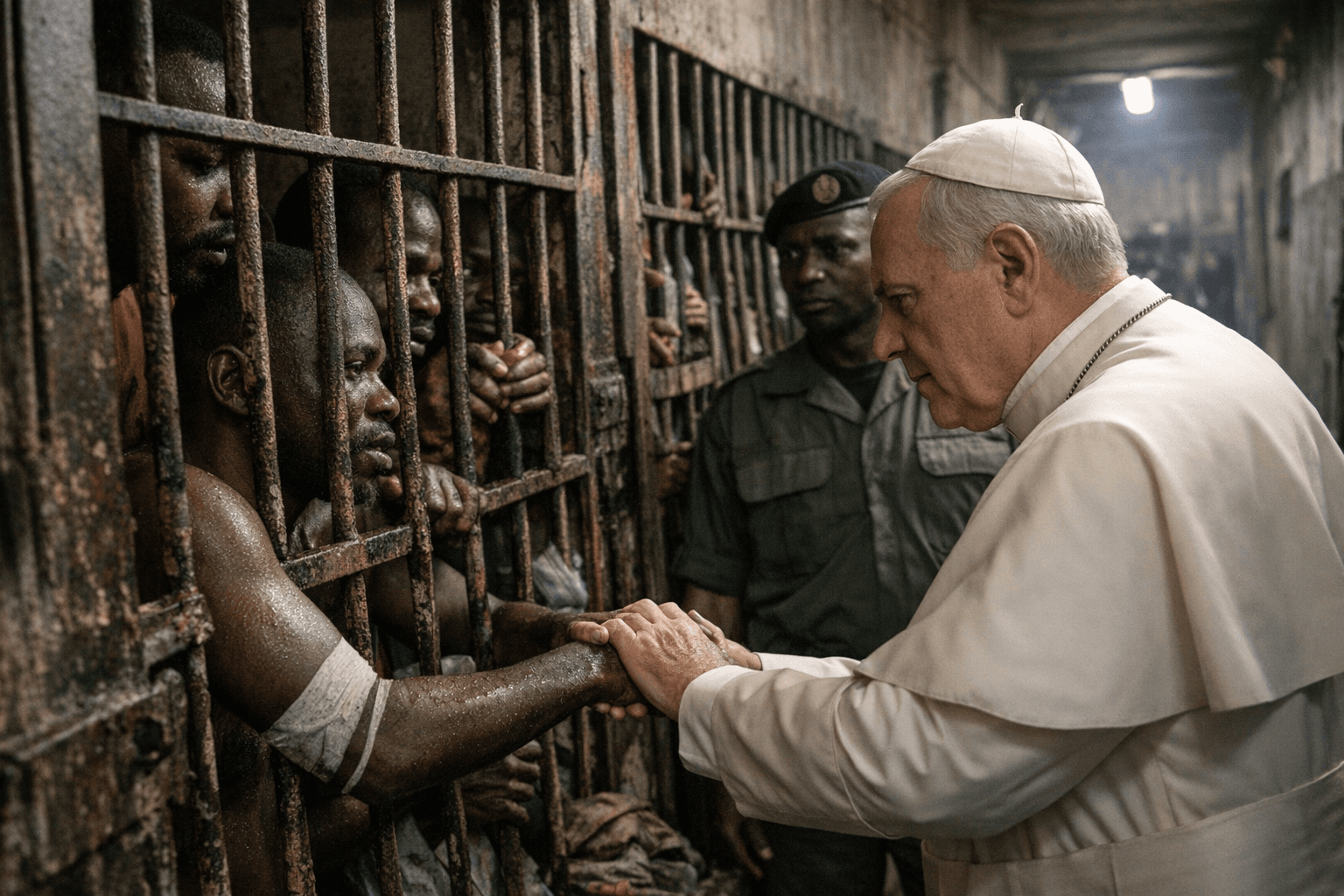
Pope Leo XIV turned a prison visit in Bata into a direct rebuke of Equatorial Guinea’s justice system, putting human rights abuses and inequality at the center of the final leg of his 11-day apostolic journey. The visit landed in a country ruled by Teodoro Obiang Nguema Mbasogo since 1979, where campaigners have long accused authorities of arbitrary arrests, political detentions, torture and harsh prison conditions.
Leo arrived in Malabo on Tuesday, April 21, then went to one of Bata’s notorious prisons on Wednesday, April 22, in a move that echoed the prison visits Pope Francis made a hallmark of his pontificate. Francis used those stops to lift up prisoners and draw attention to overcrowding, judicial abuse and other forms of injustice, and Leo’s appearance in Bata followed that same line of moral pressure.
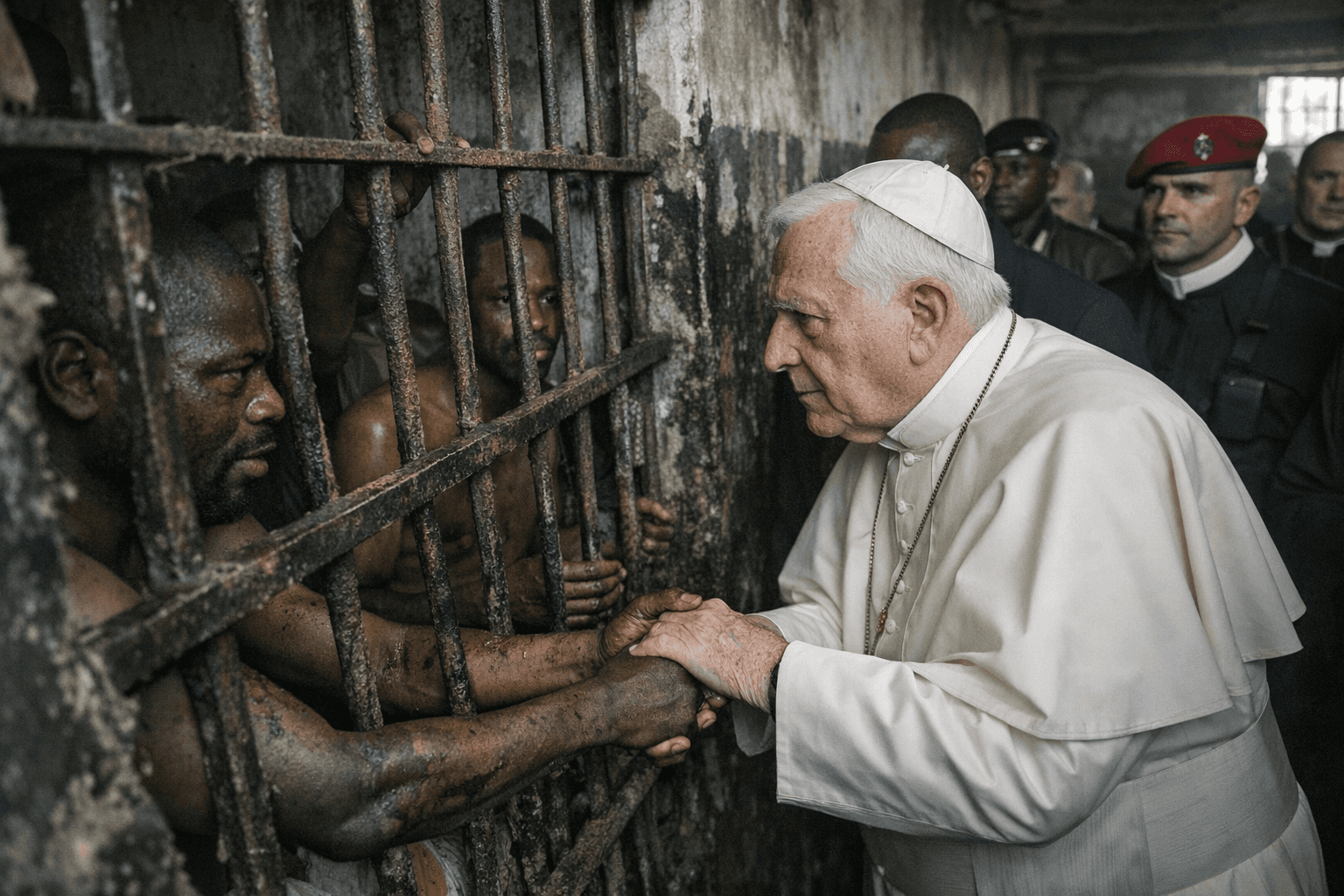
The pope’s trip came after earlier stops on the Africa tour in which he denounced despotism, inequality and the “colonization” of the continent’s minerals. In Equatorial Guinea, Africa’s only Spanish-speaking country, he urged believers to close the gap between rich and poor and called for greater freedom and justice, linking material inequality to political repression in a country where power has been tightly concentrated for decades.
The prison visit also unfolded against renewed scrutiny of Equatorial Guinea’s treatment of foreigners. Associated Press reporting found that at least 29 migrants with no ties to the country had been deported there under U.S. deals. The Equatorial Guinea government has denied rights abuses and has not commented on questions about the deportation arrangement.
Leo also planned a moment of prayer at a memorial for the victims of the March 7, 2021 explosion at a military barracks in Bata. The blast killed 107 people and wounded more than 600 others, and authorities blamed negligence in the storage of explosives. The disaster ripped through the city, adding another layer of pain to a port city already associated with repression and state failure.
The Vatican’s public itinerary made clear that Leo’s visit was not only pastoral. It was a rare and unusually direct moral intervention on African soil, one that forced the country’s prison system, its long-serving ruler and its human rights record into the open.
This article was produced by Prism’s automated news system from verified source data, official records, and press releases, then run through automated quality and moderation checks before publishing. The system is built and supervised by the people who set the standards it runs under. Read our full AI policy.
Did this article answer your question?


