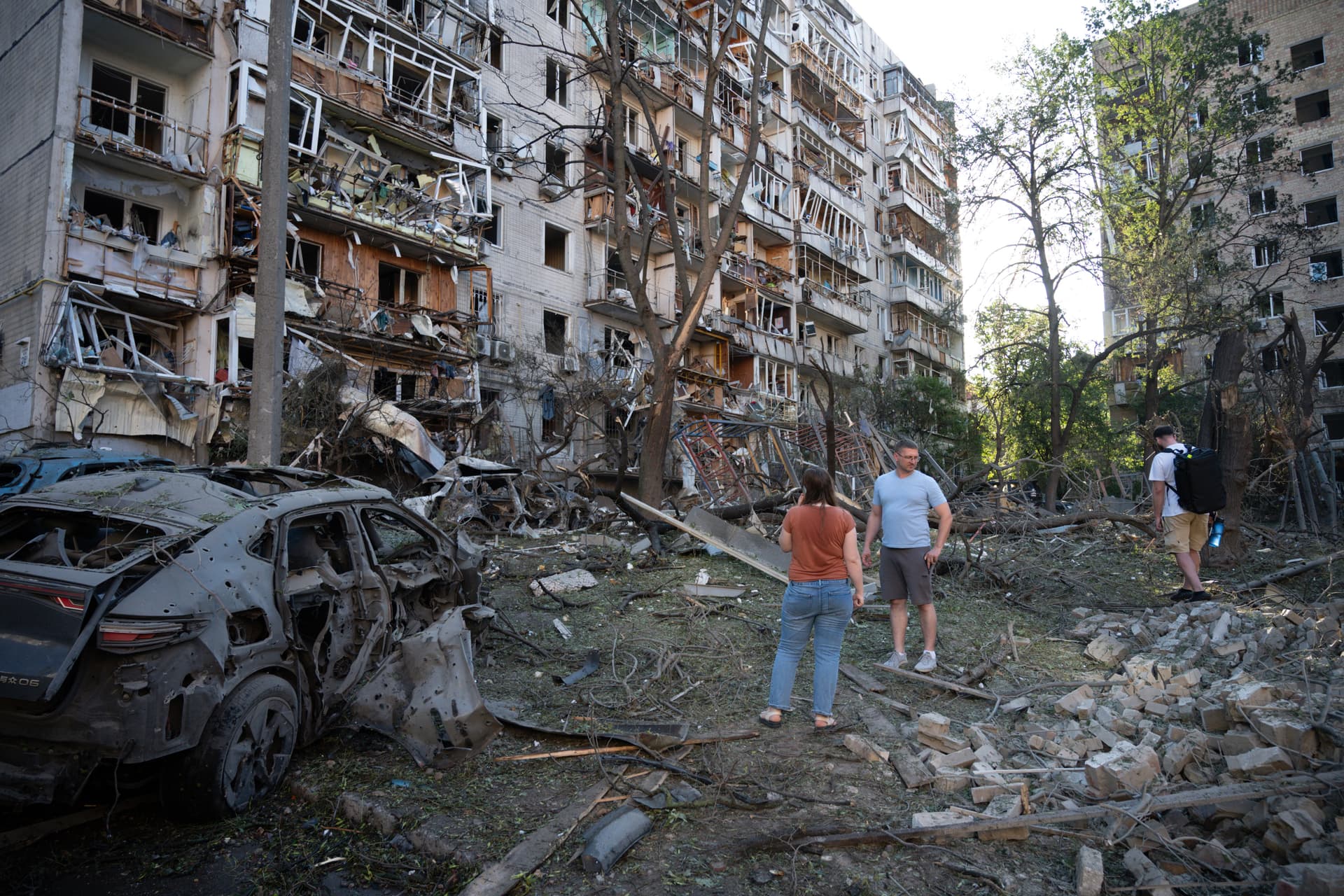
Iran’s economic pain deepens as strikes, inflation spread nationwide
At a Turkey border crossing, an Iranian woman said the real crisis was food and work, while 2024 brought 2,396 protests and 169 strikes nationwide.
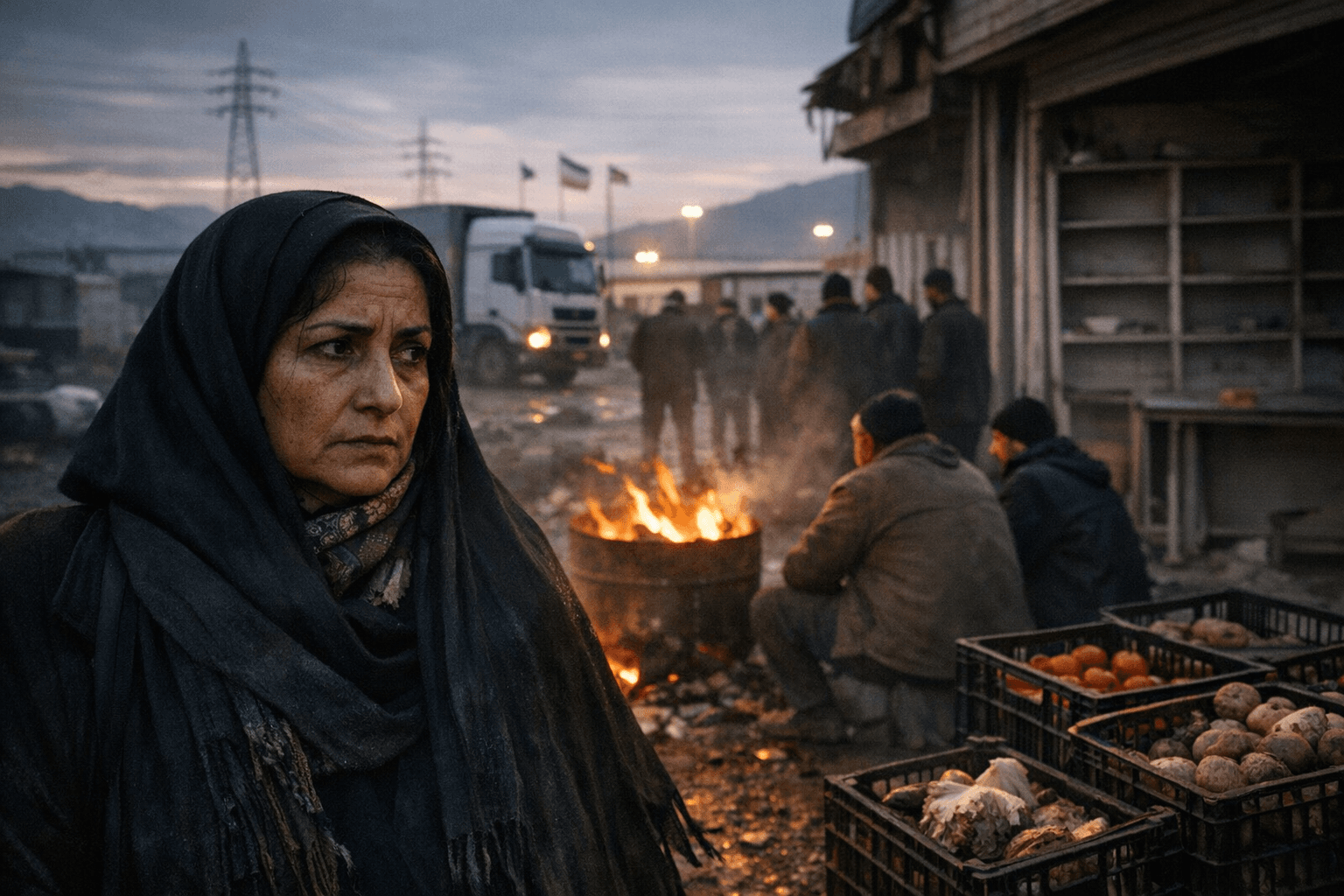
At the Kapikoy border crossing in Turkey, Ayat Assdi said her friends back in Iran were struggling to afford food because there was no work to be found and strikes had forced factories to close. That blunt warning captures the divide now widening across Iran: whatever people think about the war, the economic pain is landing in the same places, at the dinner table, in shuttered workplaces and in wages that no longer cover basic costs.
Labor-monitoring groups recorded at least 2,396 protest gatherings and 169 strikes across Iran in 2024, a tally that points to how deeply hardship has spread. The actions reached from Tehran to western Iran, southwestern Iran and Azerbaijan Province, showing that the unrest was not confined to one city or one industry. Instead, it reflected a broader squeeze on households and workers facing unpaid salaries, insecurity and fast-rising prices.
That pressure was visible in March 2024, when Iran’s Supreme Labor Council approved a 35% increase in the minimum wage. Labor representatives walked out, saying the raise still fell far short of living costs as inflation was running around 50% in early 2024. The gap between wages and prices has become one of the defining features of daily life, especially for families trying to buy food, rent housing and cover transportation as the rial weakens.
The strikes themselves spread through some of Iran’s most important sectors. Workers in oil, petrochemicals, textiles, telecommunications and railways staged protests over unpaid wages and worsening economic conditions. In some cases, employees said they had gone months without pay and were also missing insurance contributions, a combination that left many families unable to plan from one week to the next. The labor unrest underscored how disruption in one sector can quickly ripple across the wider economy, slowing production and deepening shortages.
The World Bank has said Iran’s economic activity has been severely disrupted by conflict, sanctions and social unrest. It also warns that disruptions to imports of essential goods add inflationary pressure and raise food-security risks, a reminder that the pain is not only about wages but also about the supply of basic goods. For Ayat Assdi and millions of other Iranians, the question is no longer whether politics has changed the economy. It is how long households can endure the costs.
This article was produced by Prism’s automated news system from verified source data, official records, and press releases, then run through automated quality and moderation checks before publishing. The system is built and supervised by the people who set the standards it runs under. Read our full AI policy.
Did this article answer your question?