Trump Extends Iran Cease-Fire, Pressures Tehran to Submit Unified Proposal
Tehran is betting it can outlast Washington while Trump keeps the port blockade in place, a gamble that could deepen Iran’s economic pain.
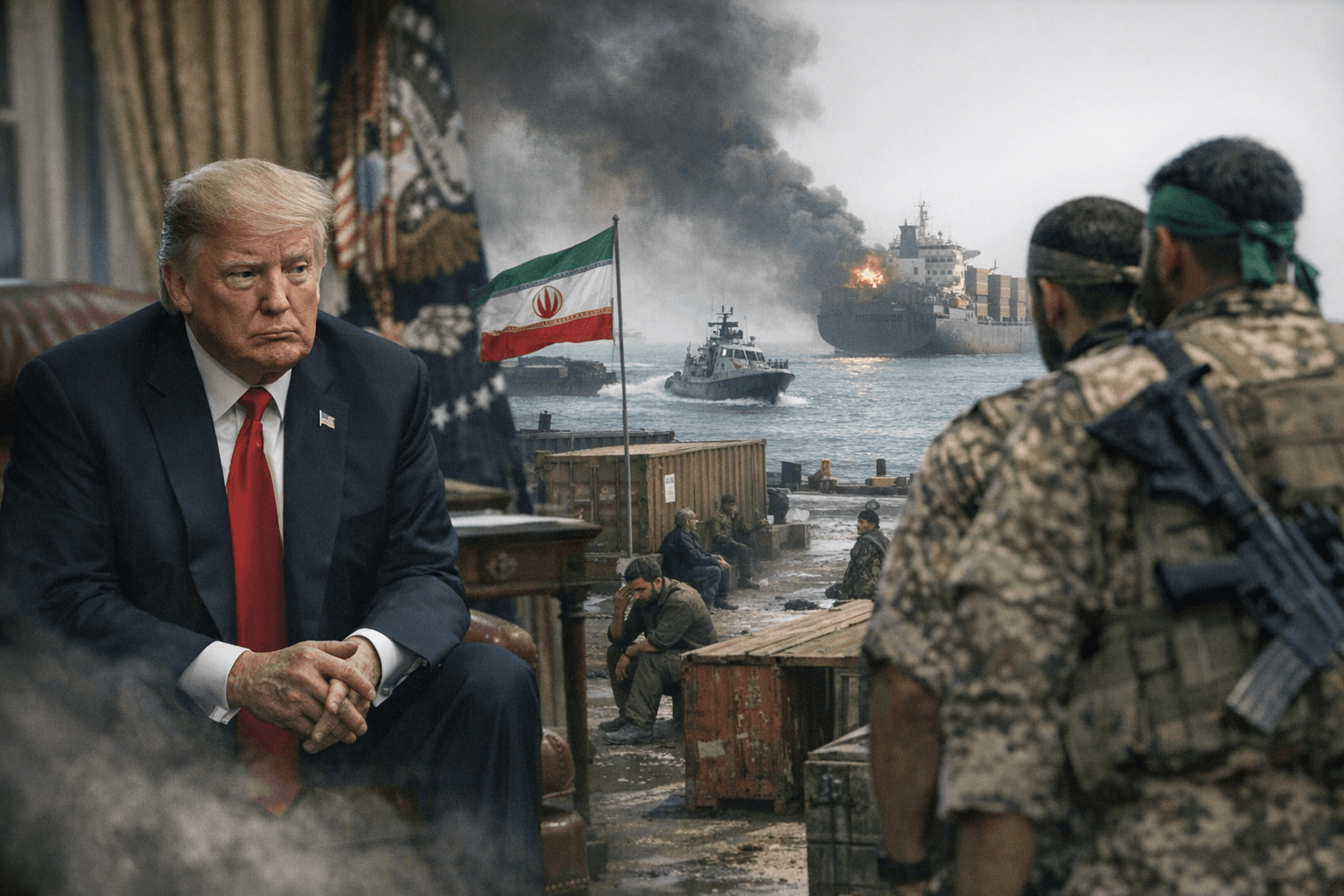
Tehran is betting that time favors Iran, not President Donald Trump. By extending the U.S.-Iran cease-fire on April 21 before the two-week deal expired, Trump kept military pressure in place while giving Iranian leaders more time to come up with a “unified proposal,” a move that could look in Tehran less like a strategy than hesitation.
Trump said the extension would last until Iran’s leaders submitted that proposal and talks were concluded. He also said the U.S. military would continue blocking Iranian ports, a hard economic squeeze that keeps pressure on Tehran even as Washington delayed resuming strikes. Pakistan helped broker the pause, with Field Marshal Asim Munir and Prime Minister Shehbaz Sharif asking the U.S. to hold off on attacks while Iranian representatives worked on a plan. Vice President JD Vance’s planned trip to Pakistan for follow-up talks was reportedly put on hold.
From Tehran’s vantage point, the bargain looks shaky. Iranian officials have already rejected an earlier 45-day, two-phase cease-fire framework and put forward their own 10-point peace plan. Recent reporting said the cease-fire had been violated by both sides, reinforcing the view among some Iranian officials that further talks were pointless while the blockade of Iranian ports remained in force. Iran had not publicly responded to Trump’s extension as of Monday.
The struggle now hinges on the Strait of Hormuz, the narrow waterway that carries a major share of global oil trade and gives Iran leverage far beyond its own economy. If Washington keeps the blockade tight, it can slow Iranian commerce and raise the cost of defiance. But if the talks drag on, Tehran may conclude that Trump needs a deal as much as Iran does, especially after he said Iran’s government was “seriously fractured.”
That is the calculation behind Iran’s apparent patience. Officials in Tehran may believe they can endure an extended standoff longer than Trump can sustain the political and military cost of escalation. But the burden of that wager falls hardest on ordinary Iranians, who face worsening shortages, pricier imports and a deeper drag on a strained economy whenever port traffic is interrupted and oil risk premiums rise.
For the United States, the blockade preserves leverage for now, but it also narrows the room to shape events if Tehran keeps refusing to move. Every extra day of deadlock tests whether pressure can force a unified Iranian response or simply harden a war of attrition that leaves ordinary Iranians paying the price.
This article was produced by Prism’s automated news system from verified source data, official records, and press releases, then run through automated quality and moderation checks before publishing. The system is built and supervised by the people who set the standards it runs under. Read our full AI policy.
Did this article answer your question?