US accuses China of blocking Taiwan president’s Africa trip through airspace pressure
China’s pressure campaign forced Taiwan to scrap Lai Ching-te’s Africa trip after Seychelles, Mauritius and Madagascar revoked overflight permits.
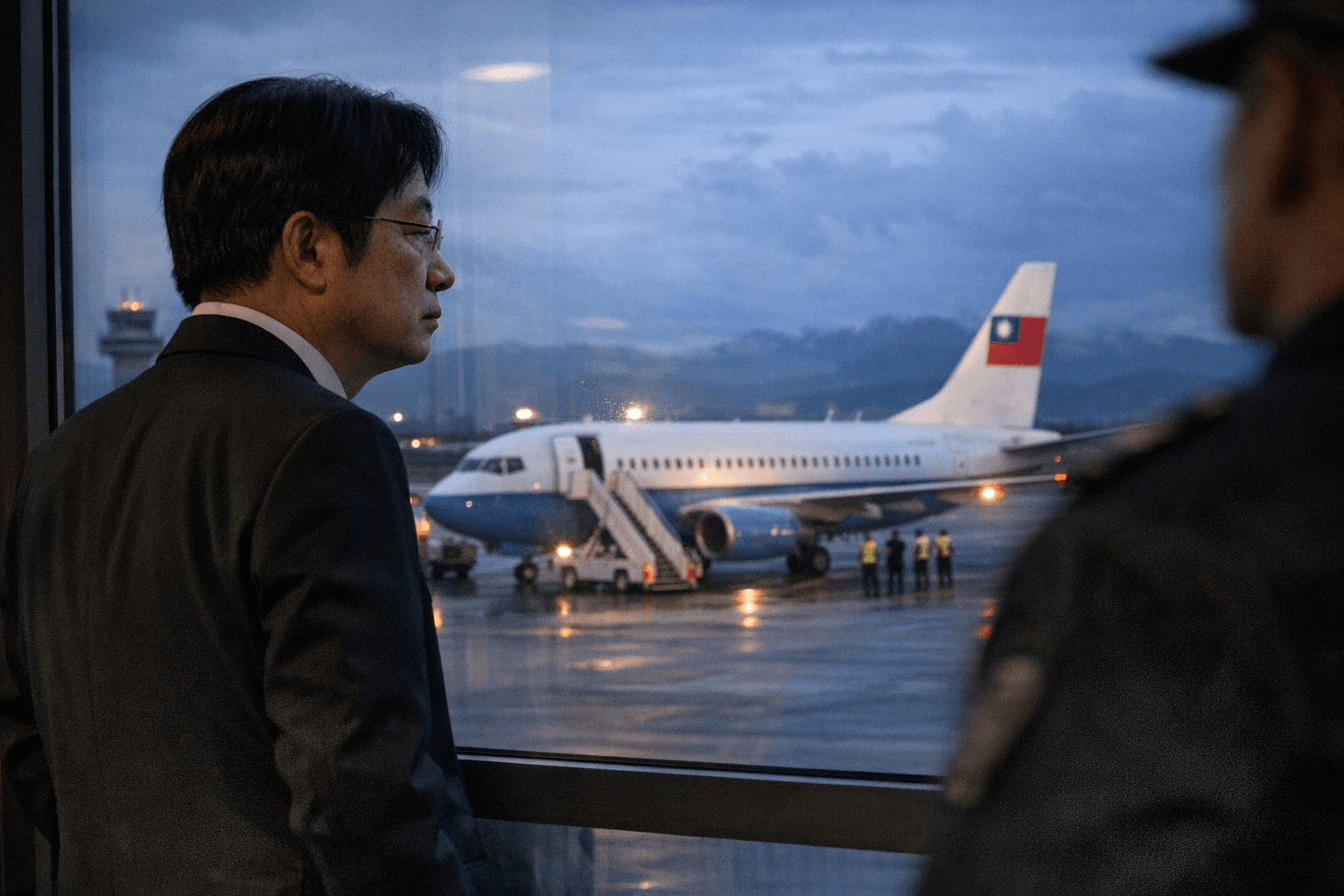
The United States accused China of leaning on African countries to block Taiwan President Lai Ching-te’s travel plans, turning a flight clearance fight into a sharper test of Taiwan’s international space. The State Department said several African countries had revoked overflight permissions at China’s behest and called it an abuse of the international civil aviation system.
Taiwan said Seychelles, Mauritius and Madagascar withdrew permits for Lai’s presidential aircraft to cross airspace they manage, forcing him to cancel the April 22-26 trip to Eswatini. The visit would have marked Lai’s second overseas trip since taking office in May 2024 and was scheduled to coincide with King Mswati III’s 40th year on the throne and his 58th birthday.
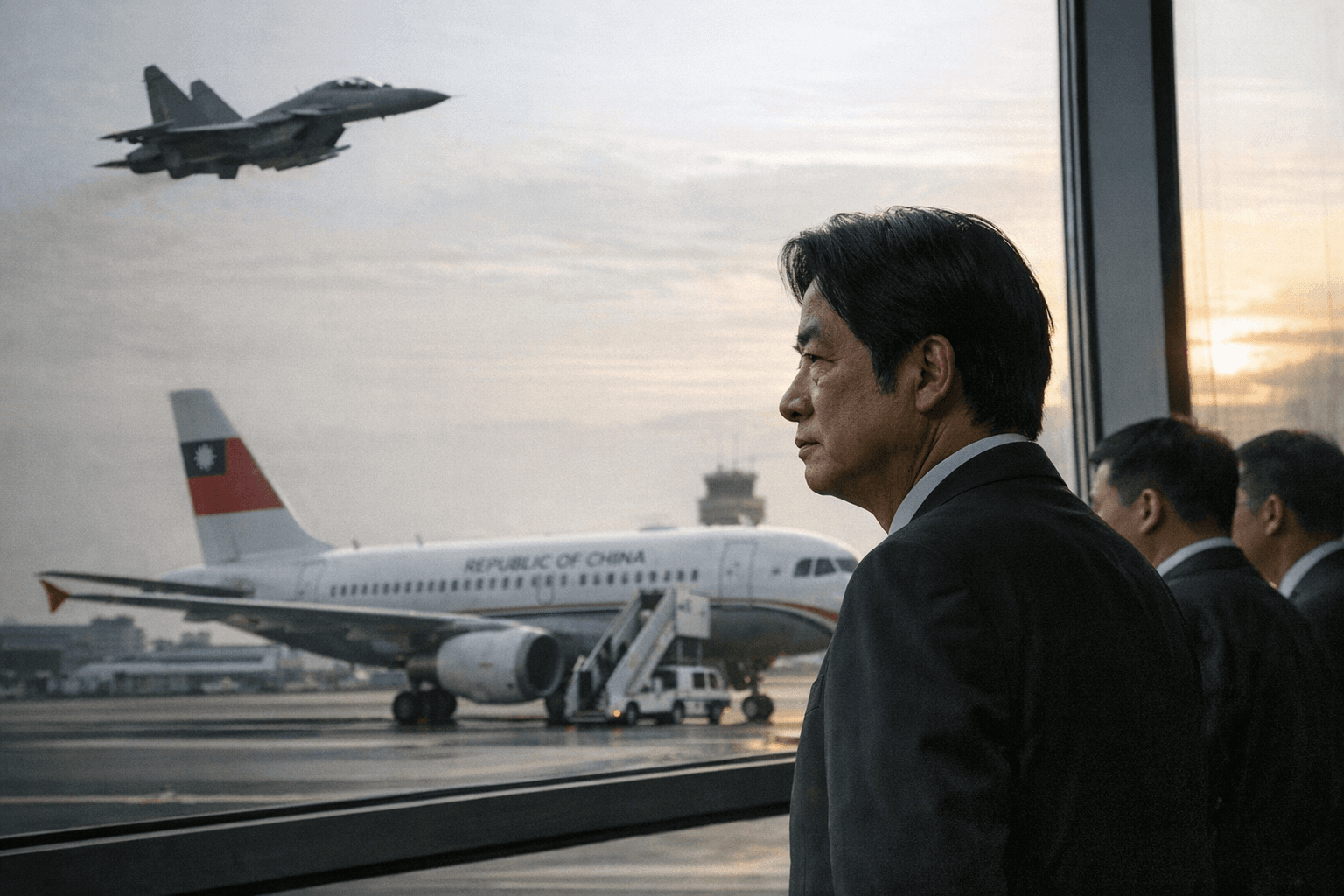
The cancellation carries weight far beyond one itinerary. Eswatini is Taiwan’s only remaining diplomatic ally in Africa, and Taiwan now maintains formal ties with only 12 countries worldwide. For Taipei, access to airspace and stopovers is not a technical nuisance but a measure of whether its leaders can travel, represent the island abroad and keep even a narrow set of formal partnerships alive.
Washington framed the dispute in broader terms. The State Department says Taiwan has a “robust unofficial relationship” with the United States, and U.S. officials have repeatedly backed Taiwan’s meaningful participation in international organizations, including the International Civil Aviation Organization. That makes aviation permissions especially sensitive, because control over flight routes can be used to shape Taiwan’s access to the world without any public confrontation on the ground.
Taiwan said China exerted intense pressure on the three Indian Ocean states, and a senior Taiwan security official said Beijing had threatened economic sanctions, including revoking debt relief. China rejected the accusation and praised the countries for adhering to the one-China principle, which treats Taiwan as part of China.
The episode underscored how Beijing’s campaign to isolate Taiwan can move through administrative channels as much as diplomacy or force. By pressing governments over airspace used for a presidential flight to a small African kingdom, China tested both Taiwan’s room to maneuver and U.S. influence on a continent where Eswatini remains Taipei’s last formal foothold.
This article was produced by Prism’s automated news system from verified source data, official records, and press releases, then run through automated quality and moderation checks before publishing. The system is built and supervised by the people who set the standards it runs under. Read our full AI policy.
Did this article answer your question?