Iran seizes two ships in Strait of Hormuz as tensions ease
Iran seized two container ships as the Strait of Hormuz went nearly quiet, challenging a U.S. blockade over a chokepoint carrying 20% of global oil.
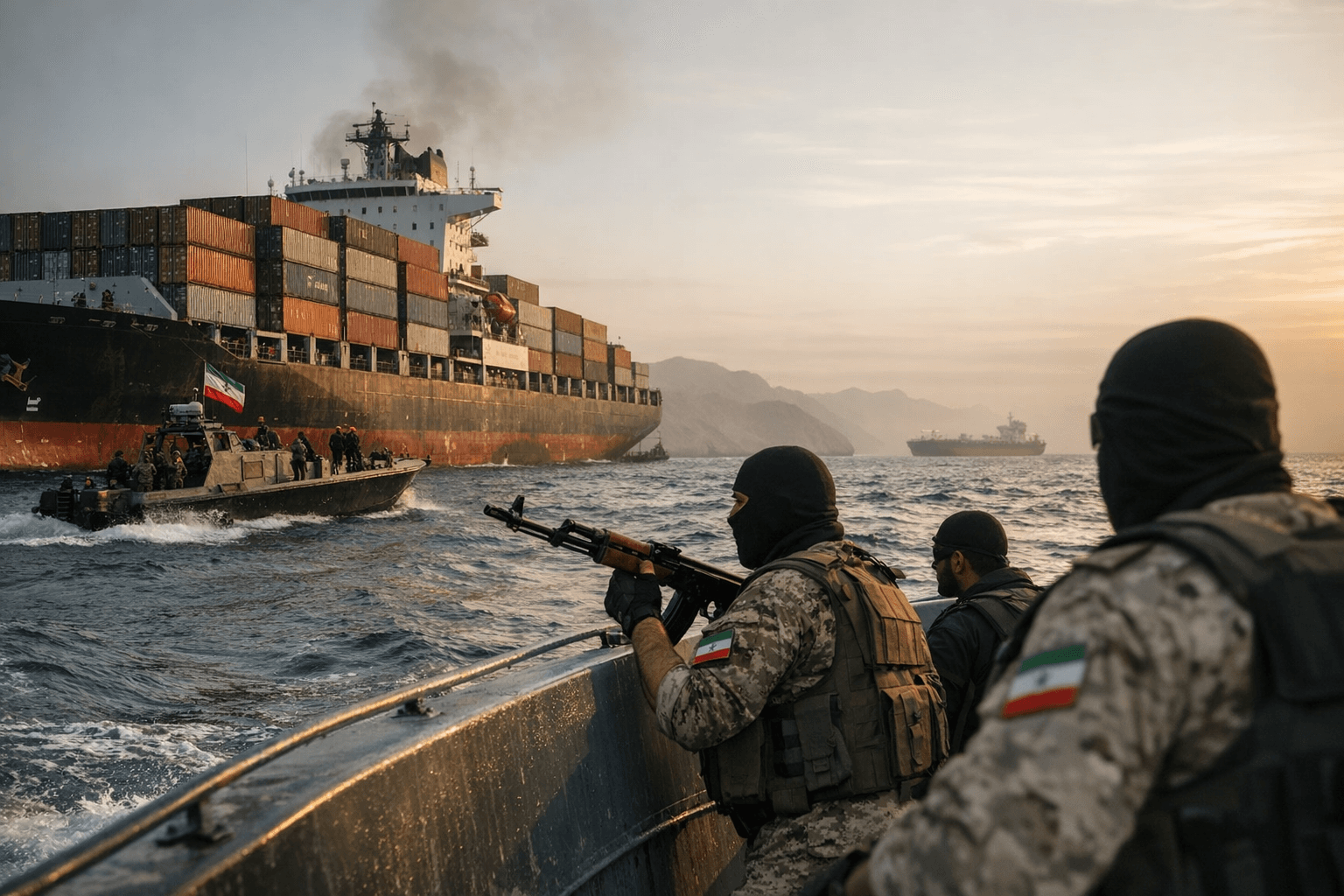
The White House has begun sounding less confrontational toward Iran, but the Strait of Hormuz remains primed for another shock. Iran said Wednesday it seized two container ships in the waterway after reports that three cargo ships were attacked, a reminder that even limited moves in the chokepoint that carries about 20% of the world’s oil can rattle markets far beyond the Gulf.
The seizures came one day after Donald Trump said he was extending the ceasefire and keeping the U.S. naval blockade in place. That decision followed stalled efforts to restart peace talks and deepened the standoff over passage through the strait, where traffic had already slowed sharply in the weeks after Iran effectively shut down passage following U.S. and Israeli attacks in February 2026. Iranian officials said the ships were taken to Iranian shores for alleged maritime violations. On April 18, Tehran said the strait had “returned to its previous state” and that restrictions on passage were being reimposed after what it described as U.S. breaches of trust.
The economic leverage is enormous. More than 90% of Iran’s $109.7 billion in annual seaborne trade transits through the Strait of Hormuz, and the blockade has been estimated to cost Iran about $435 million a day in combined economic damage. That pressure cuts both ways. The longer the waterway stays unstable, the greater the risk of higher insurance costs, more cautious shipping routes and renewed upward pressure on gasoline and oil prices in markets already sensitive to any disruption in Gulf supplies.
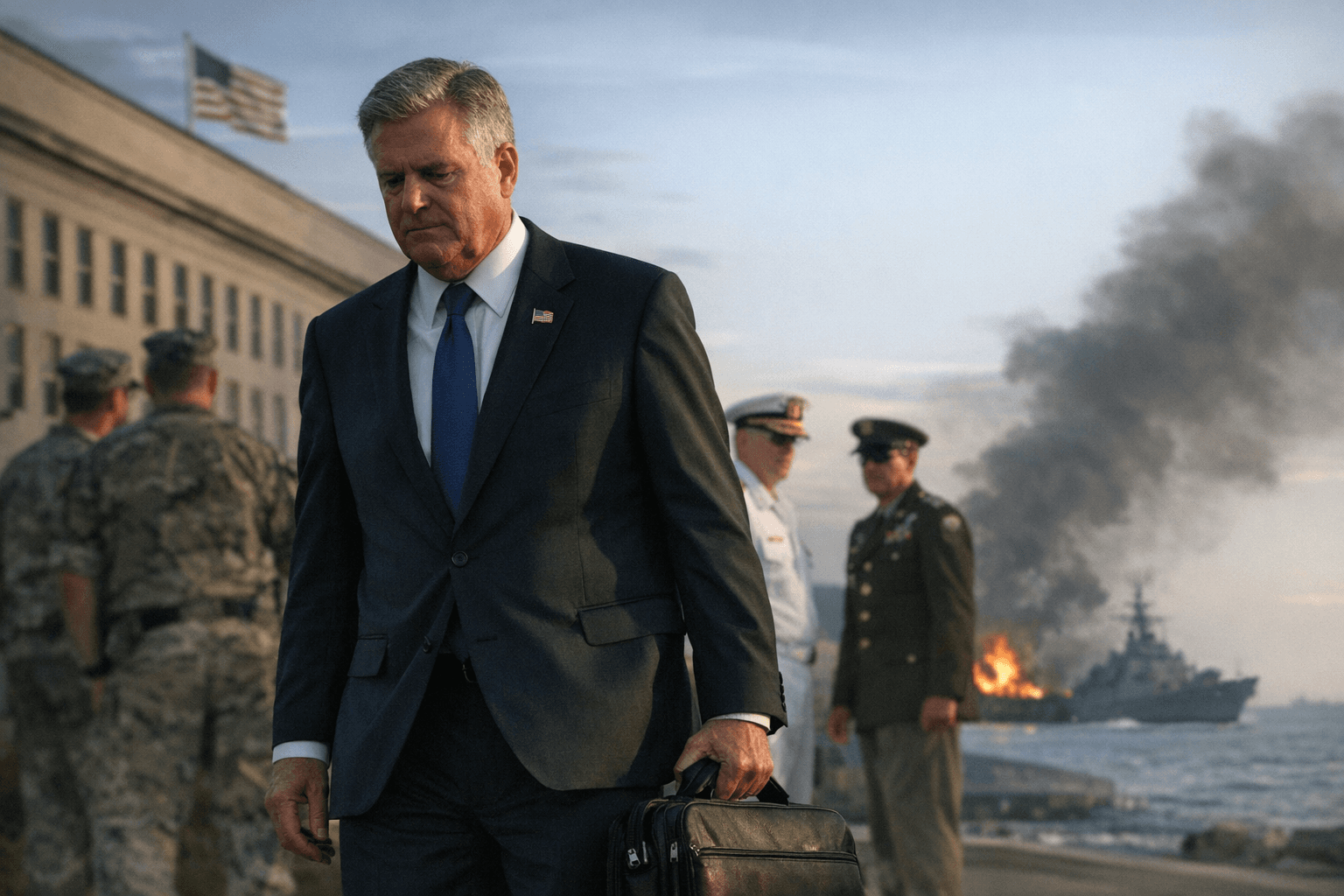
The military backdrop is just as serious. Gen. Dan Caine displayed a map of the blockade line at the Pentagon on April 16, underscoring how central the strait has become to the confrontation. A Pentagon assessment shared with Congress reportedly said clearing mines from the Strait of Hormuz could take six months, a timeline that would leave the route vulnerable for far longer than the usual crisis window and keep energy markets on edge.
Diplomacy is still flickering, but on narrow terms. Iran’s ambassador to the United Nations has said talks would resume only if the United States lifts its blockade, while an adviser to Iran’s parliament speaker called Trump’s ceasefire extension a “ploy to buy time” for a surprise strike. Trump, meanwhile, said Iran’s government was “seriously fractured,” and Vice President JD Vance canceled a planned trip to Pakistan tied to peace talks. The softer White House tone suggests caution, not resolution, as Washington weighs escalation against the cost of a prolonged fight over one of the world’s most dangerous oil chokepoints.
Know something we missed? Have a correction or additional information?
Submit a Tip