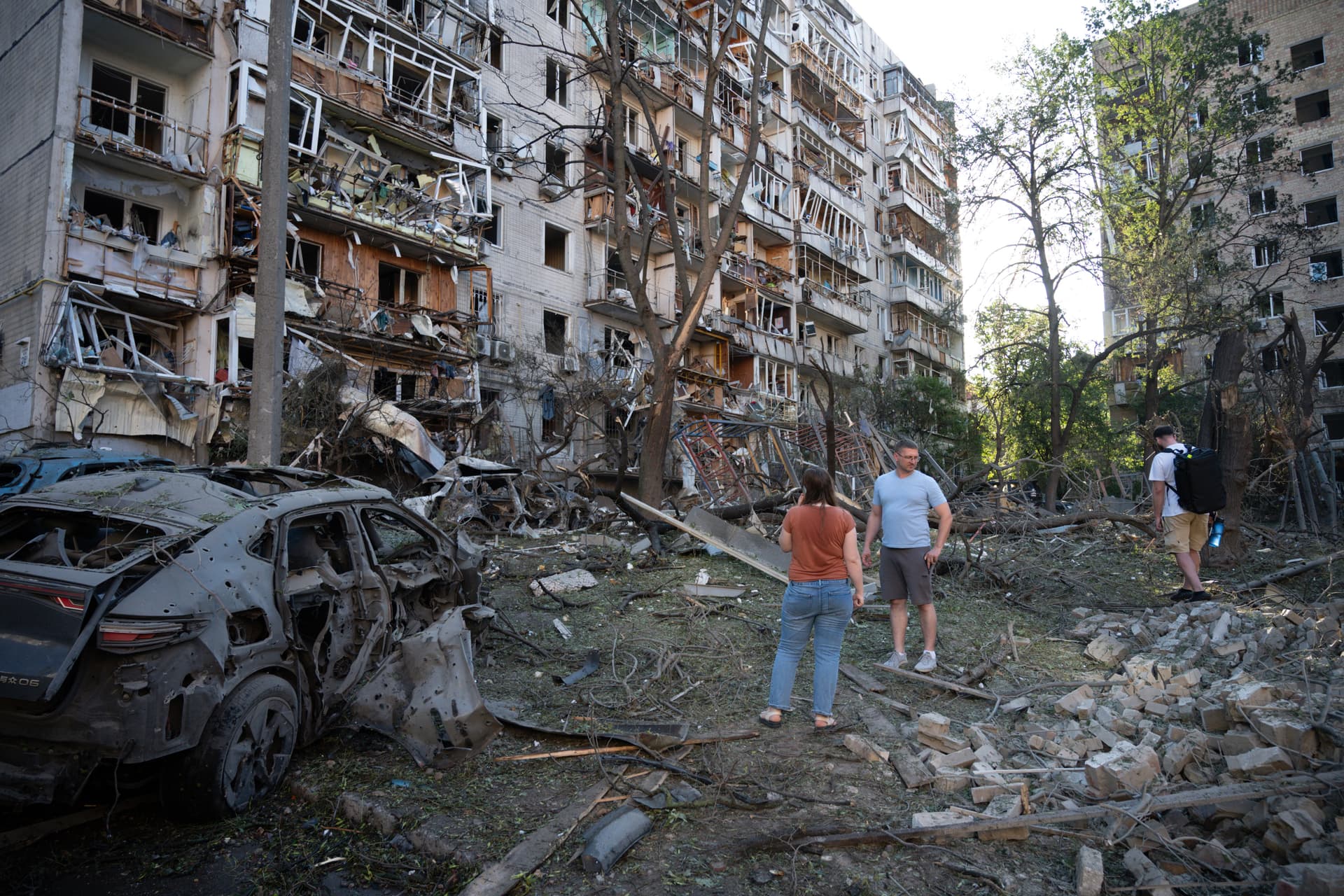
Navy Secretary John Phelan exits as U.S., Iran clash in Hormuz
Iran’s attacks on three ships in Hormuz came just as the Pentagon pushed out Navy Secretary John Phelan, deepening a crisis that could hit oil prices within hours.
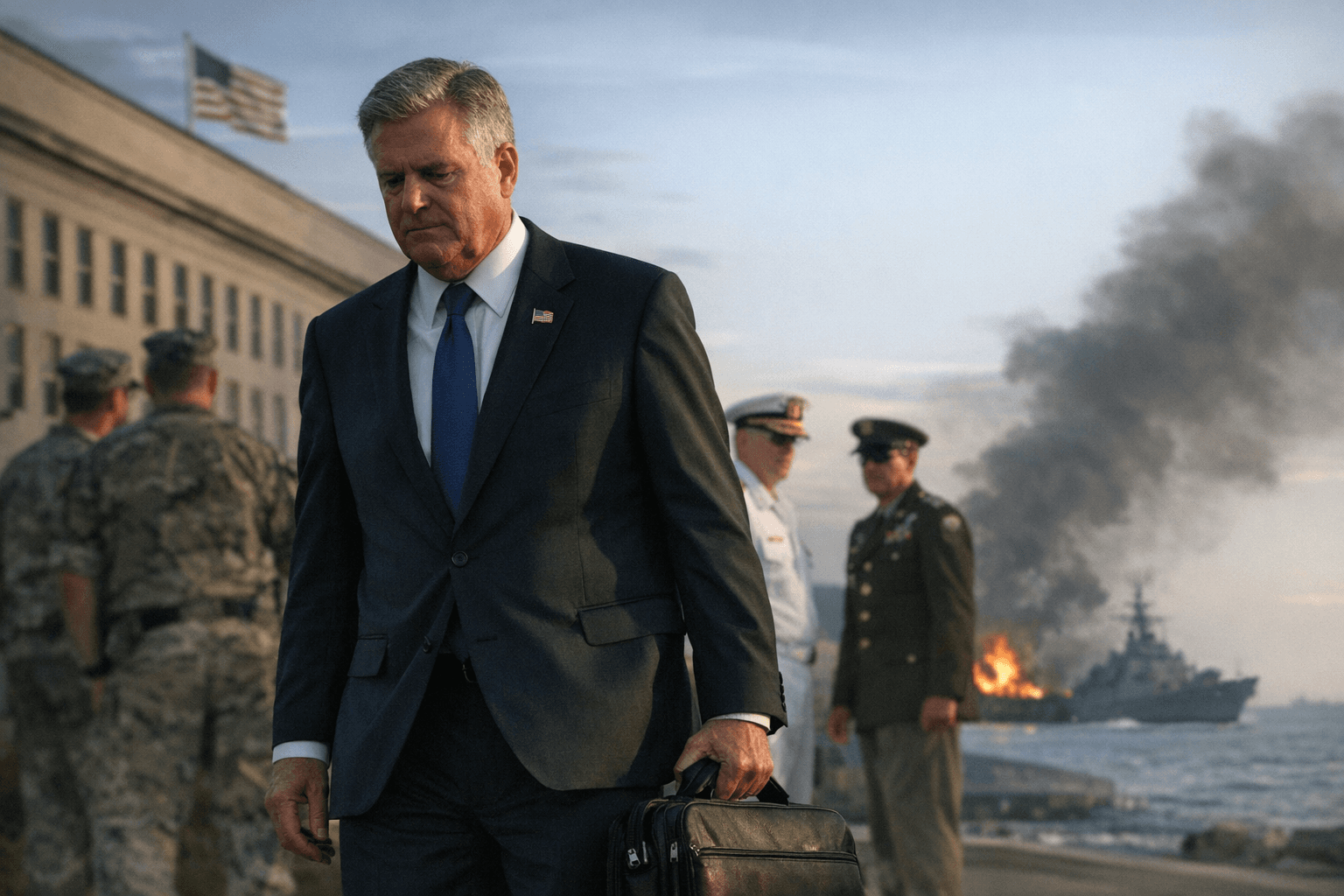
The Strait of Hormuz sits at the center of a global pressure point, and its importance reaches far beyond the Persian Gulf. About 20 million barrels a day of crude oil and petroleum products moved through the waterway in 2025, more than one-quarter of global seaborne oil trade and roughly one-fifth of world petroleum liquids consumption. With the strait narrowed to about 29 nautical miles at its tightest point and split into two thin shipping lanes, even a short disruption can send insurance costs and oil prices higher almost immediately.
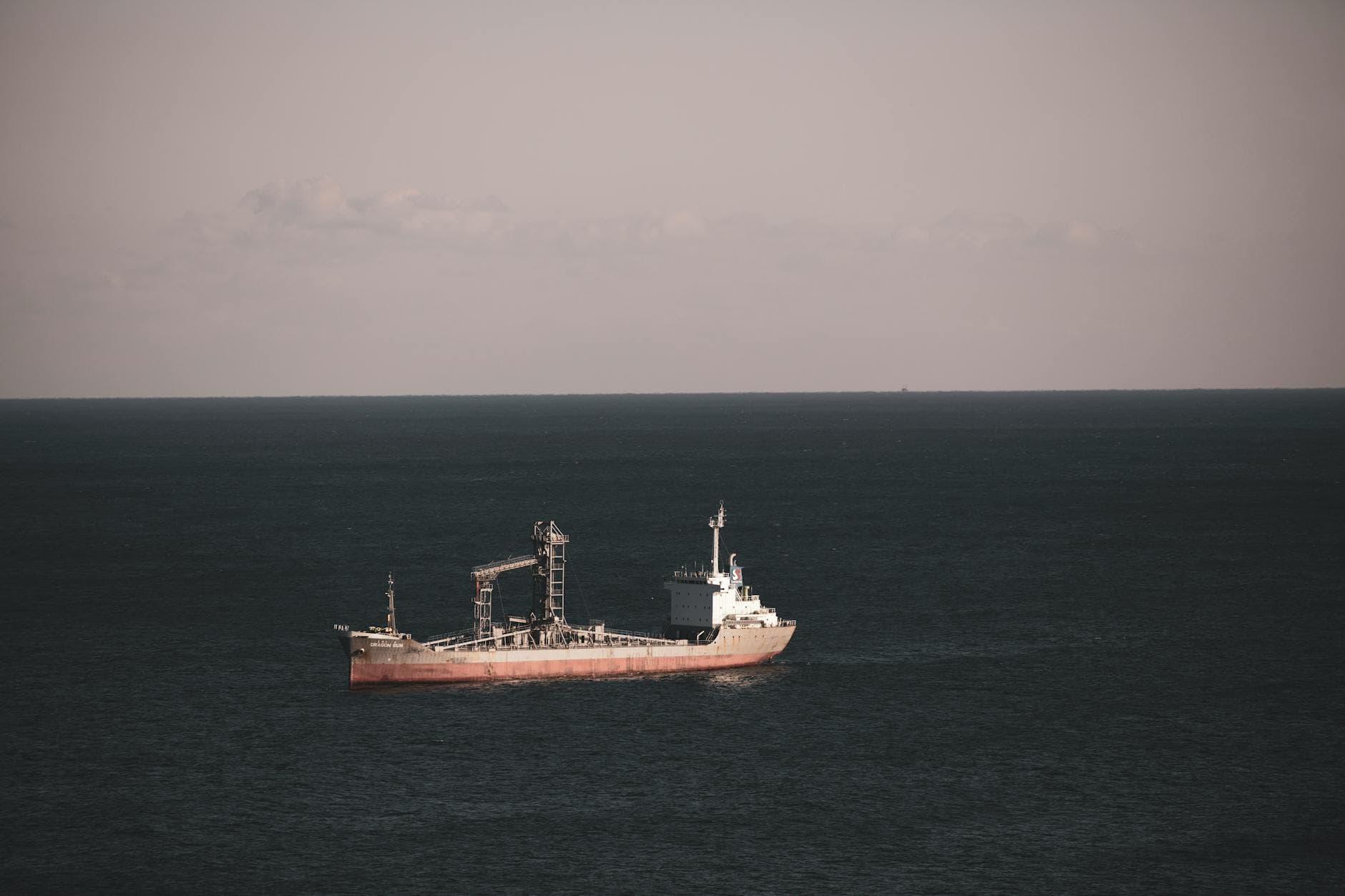
That risk sharpened on April 22, when reports said Iran fired on at least three commercial ships in or near the Strait of Hormuz and seized two of them. UKMTO said one container ship suffered heavy damage to its bridge, though all crew members were safe. A second vessel was later reported stopped in the water after coming under fire. The attacks came just hours after President Donald Trump extended a ceasefire indefinitely, showing how quickly the maritime front can outrun diplomacy.
The Pentagon said Navy Secretary John Phelan was leaving the administration effective immediately, and Navy Undersecretary Hung Cao was named acting secretary. Pentagon spokesman Sean Parnell delivered the news as the crisis in the strait escalated, adding another turnover at a senior defense post while U.S. officials confronted a widening confrontation with Iran. Charlie D'Agata reported the departure as part of a broader defense shake-up unfolding alongside the shipping attacks.
The maritime strikes also threw U.S.-Iran diplomacy into doubt. Reporting said planned talks in Islamabad were disrupted after Iran said it would not attend, undermining a second round of discussions expected to involve Vice President JD Vance. That collapse matters because Hormuz is not just a military flashpoint; it is a market mechanism. Each new assault raises the odds that shipowners delay sailings, insurers lift premiums, and traders price in shortages before a single barrel is blocked.
The wider standoff has also revived warnings that clearing mines or restoring safe passage could take months if the crisis deepens. That is why retaliation in Hormuz carries such weight: any direct military response, seizure of ships, or effort to force the passage back open could push the clash from a shipping dispute into a broader regional confrontation, with U.S. consumers and global markets feeling the fallout long before the fighting ends.
This article was produced by Prism’s automated news system from verified source data, official records, and press releases, then run through automated quality and moderation checks before publishing. The system is built and supervised by the people who set the standards it runs under. Read our full AI policy.
Did this article answer your question?