Trump claims release of eight Iranian women amid disputed execution threat
Trump said eight Iranian women were freed, but Tehran denied any execution threat and rights groups said the real danger was being obscured.
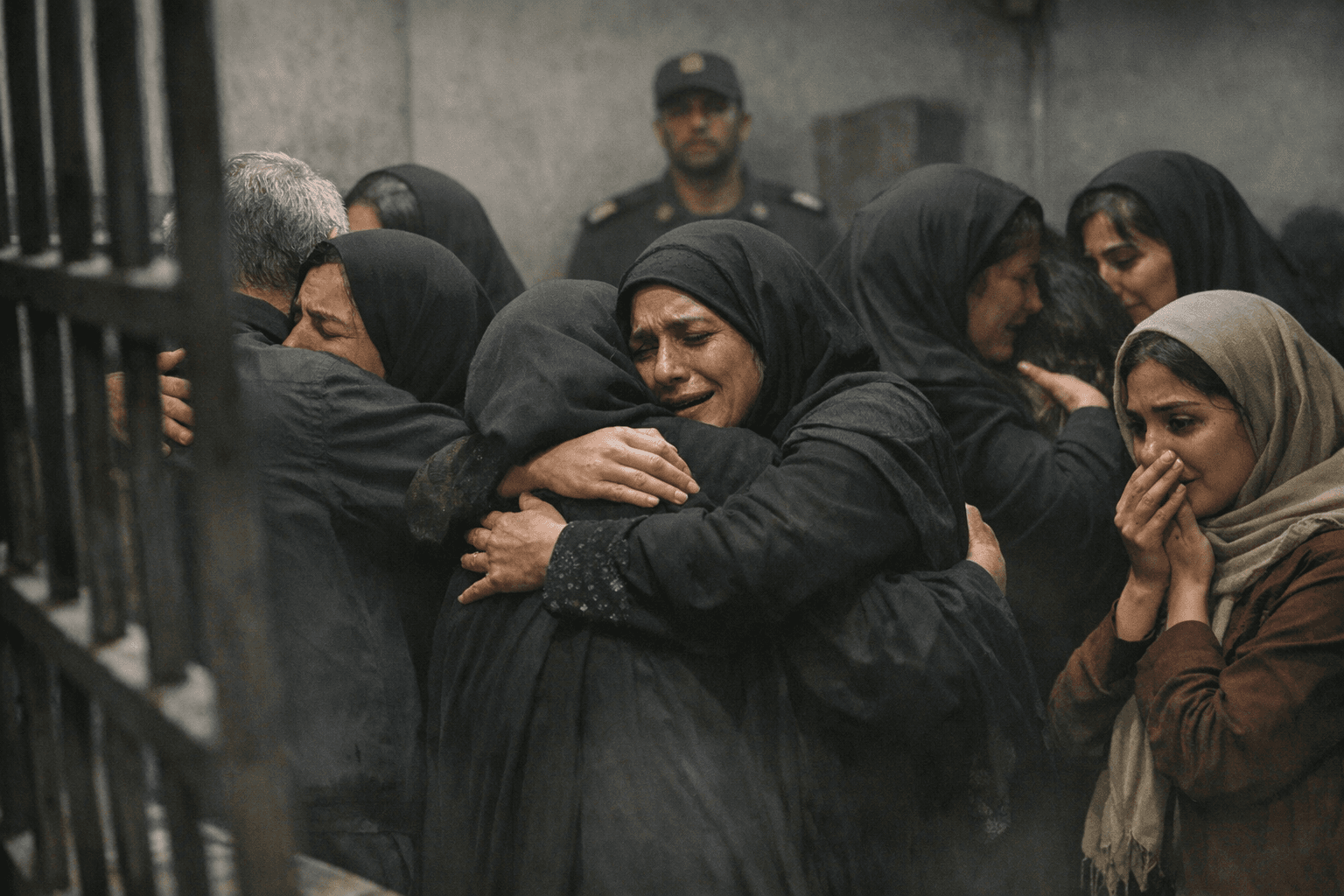
Donald Trump said eight Iranian women were released after he raised alarm over what he described as an imminent execution threat, but Iranian authorities rejected the account and said the president had been “misled once again by fake news.”
The dispute grew out of a Truth Social post that paired Trump’s claim with a screenshot showing a collage of eight glamorously lit, soft-focus portraits. Iran Human Rights said the women in the post were real and not AI-generated, but the presentation helped blur a separate question: whether the women were actually facing execution, or whether their cases had been folded into a distorted political narrative.
Iran’s judiciary, through Mizan Online, said the eight women arrested over protests were not at risk of execution. Tehran said some of the women Trump referred to had already been released, while others faced charges that would at most lead to prison if convictions stood. Iranian officials also said Trump had “fallen for” false claims circulated by anti-Iran groups, and that no concessions had been made.
Rights groups said the underlying cases were not fictional. The women were tied to arrests during January 2026 protests that followed wider unrest in late December 2025 and January 2026. Iran Human Rights said at least 16 “Woman, Life, Freedom” protesters remained on death row and at risk, while Human Rights Watch said Iran escalated use of the death penalty for political repression in 2026.
The episode also fits a longer pattern of state violence against women who challenge the system. Iran Human Rights reported 31 women executed in Iran in 2024, the highest annual total in 17 years, and said Iran remained the world’s top executioner of women. That broader record made verification central, especially as digital imagery and political messaging were used to frame the story before the facts were clear.
Among the names circulated in coverage were Bita Hemmati, identified as a woman sentenced to death in a protest-related case, and Golnaz Naraghi and Venus Hosseininejad, whom some reports said had already been out on bail since late March. On Wednesday, Trump said four of the women would be released immediately and four would receive one month in prison. Iranian authorities rejected that claim.
The result was a familiar information trap: genuine human-rights cases, real people and real prosecutions became entangled with a viral presidential narrative, leaving the public to sort documented repression from digitally polished political theater.
This article was produced by Prism’s automated news system from verified source data, official records, and press releases, then run through automated quality and moderation checks before publishing. The system is built and supervised by the people who set the standards it runs under. Read our full AI policy.
Did this article answer your question?


