Iran says US and Israel violations make Hormuz Strait reopening impossible
A narrow Persian Gulf chokepoint is back at the center of global energy risk, with Iran warning that U.S. and Israeli violations have made reopening impossible.
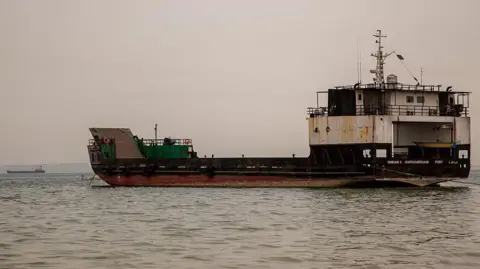
Iran’s warning over the Strait of Hormuz lands where the global economy is most exposed: a waterway only about 29 nautical miles wide at its narrowest point, with two 2-mile-wide shipping lanes and a buffer zone. If traffic stays constrained, the pressure would reach U.S. gas prices first, then broader inflation and supply chains, because the strait carried an average of 20 million barrels per day of crude oil and petroleum products in 2025 and handles about 20% of global LNG trade.
Abbas Araghchi, Iran’s chief negotiator, said violations by the United States and Israel had made reopening the strait impossible. That message came into an already fragile ceasefire environment, with both sides trading accusations over breaches and maritime traffic through the corridor badly disrupted. President Donald Trump has said the American blockade on Iranian ships and ports would remain in force until Tehran reached a deal with the United States, keeping the diplomatic off-ramp narrow and the commercial risk high.
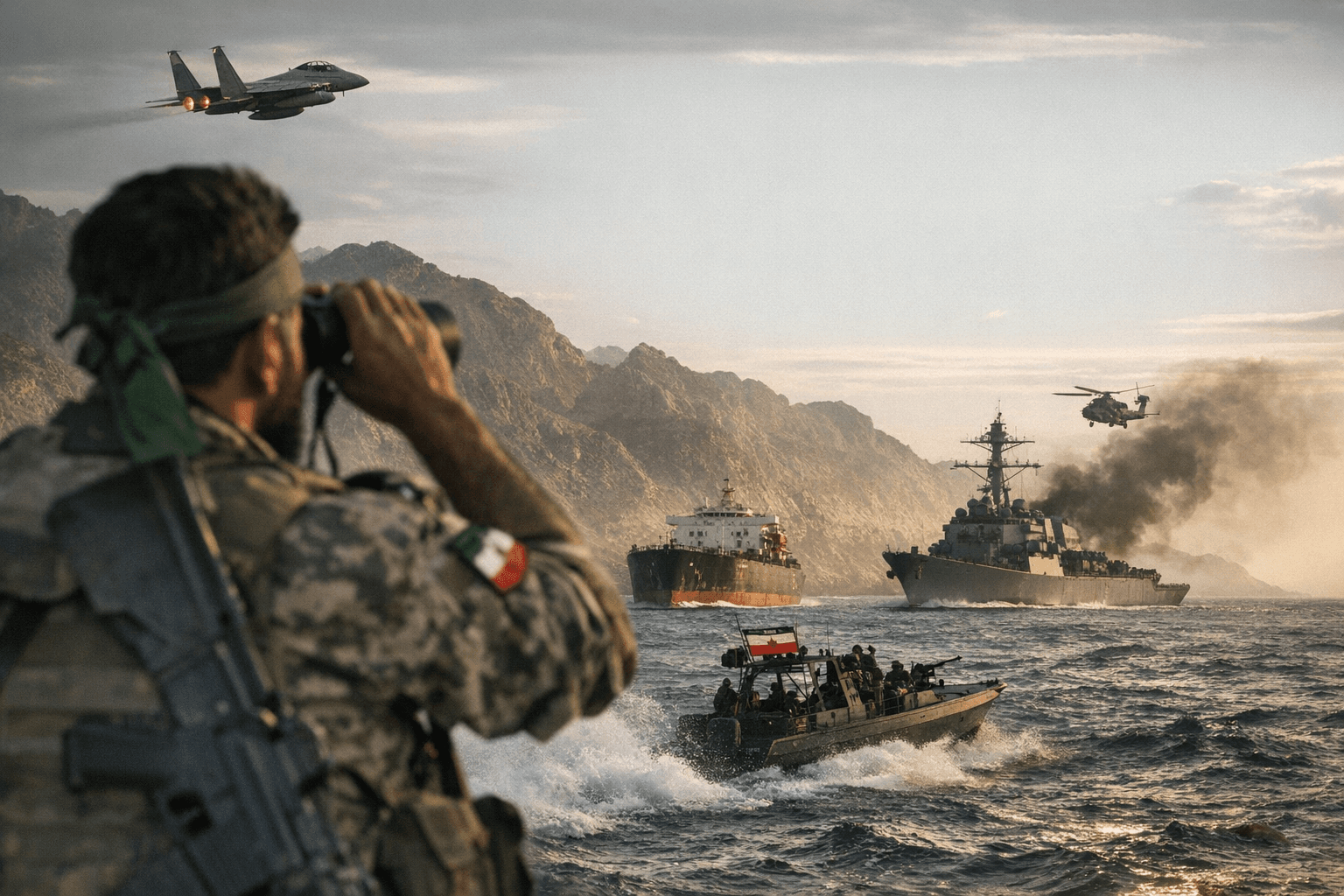
The stakes are not abstract. The U.S. Congressional Research Service says roughly 27% of the world’s maritime trade in crude oil and petroleum products passes through the Strait of Hormuz. Any sustained disruption would immediately affect tanker schedules, insurance costs and refinery planning across the Persian Gulf, Europe and Asia. Even the threat of closure has repeatedly been enough to move oil prices and unsettle shipping firms that rely on the route.
Reopening the waterway would require more than statements. Militarily, the attacks on ships near the strait would have to stop, naval pressure around the corridor would have to ease and commercial carriers would need credible protection to transit without fear of interception. Diplomatically, Tehran and Washington would need some arrangement that allows passage while defusing the blockade dispute and the wider conflict that has helped keep the strait in contention.
Iran’s threat carries weight because it has used this leverage before. After U.S. strikes on Iranian nuclear sites in 2025, Iran’s parliament reportedly backed closure of the strait. At the same time, more than 300 ships linked to Iran have passed through the waterway since the war began, underscoring that the issue is not total stoppage but contested control over access and transit. That makes the warning credible enough to rattle energy markets, even if a full shutdown remains difficult to sustain for long.
This article was produced by Prism’s automated news system from verified source data, official records, and press releases, then run through automated quality and moderation checks before publishing. The system is built and supervised by the people who set the standards it runs under. Read our full AI policy.
Did this article answer your question?


