Peru ministers resign over delayed F-16 fighter jet purchase plan
A $3.42 billion F-16 plan split Peru’s cabinet, forcing two ministers out and exposing how a weapons deal became a test of presidential control.
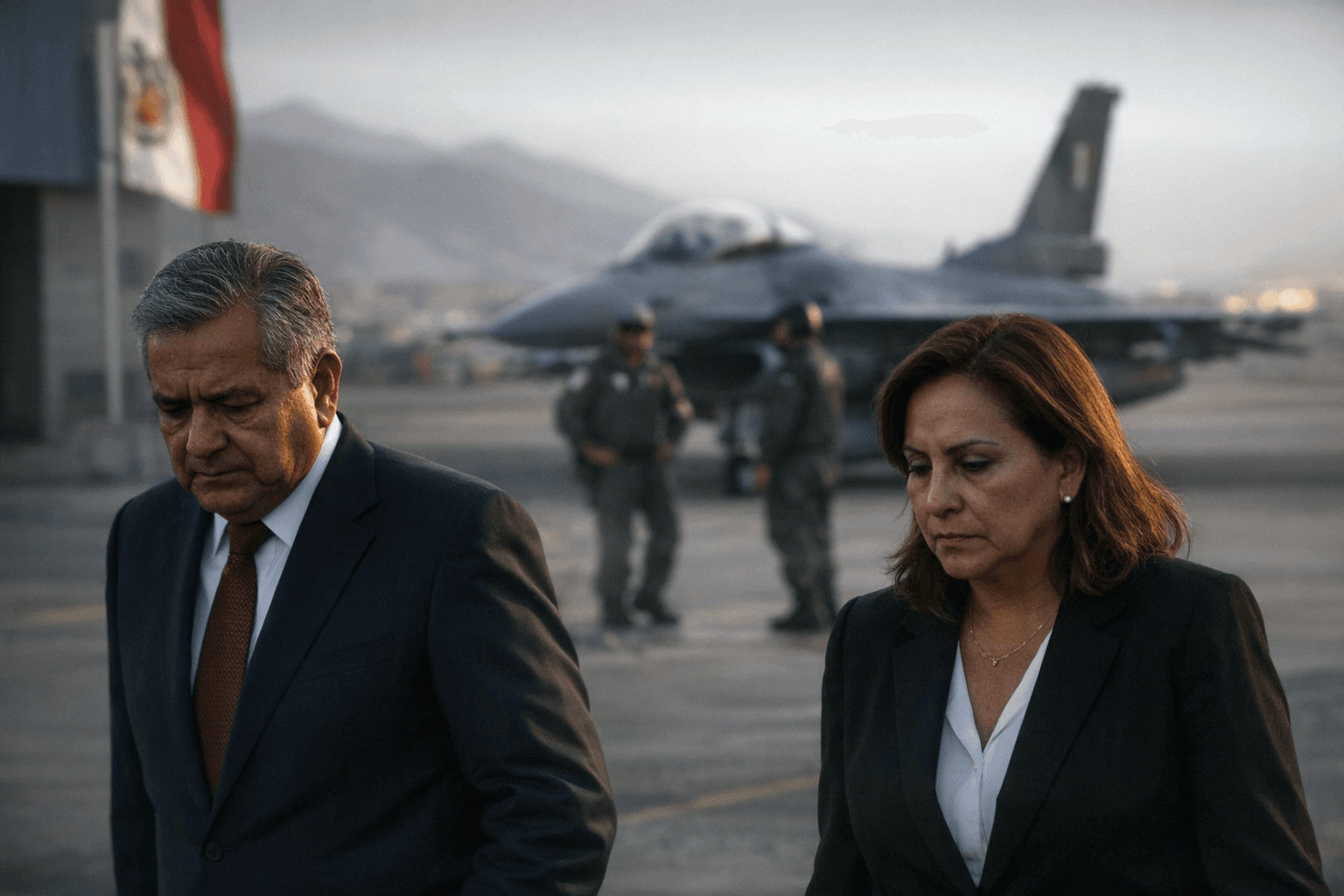
Peru’s push to buy F-16 fighter jets has detonated a cabinet crisis, turning a procurement decision into a broader fight over civilian control, defense priorities and interim President Jose Balcazar’s grip on power. Defense Minister Carlos Diaz and Foreign Minister Hugo de Zela resigned after Balcazar moved to delay payments on the deal until the next government takes office in July.
Balcazar said he had not rejected the purchase outright, only postponed the payments until after the presidential transition. That explanation did little to calm the rupture inside his cabinet. Diaz said in his resignation letter that he had a fundamental disagreement with a strategic national security decision, a sign that the issue had become politically untenable at the top of government.
The dispute centers on a multibillion-dollar modernization effort for Peru’s aging air force. Officials have said the country eventually wants 24 F-16s, starting with an initial buy of 12. The fleet it is trying to replace is built around Mirage 2000 and MiG-29 aircraft acquired in the 1980s and 1990s, a force structure that has long underscored the need for renewal but also the scale of the bill.
Washington had already cleared the way for the sale. The U.S. State Department approved a possible Foreign Military Sale to Peru on September 15, 2025, with the Defense Security Cooperation Agency valuing the package at about $3.42 billion. Lockheed Martin is the principal contractor, with General Electric Aerospace and RTX also involved in the aircraft, logistics and program support package.
The timing made the argument sharper. Peru held its presidential election on April 12, 2026, and the next administration is due to take office in July. Balcazar’s decision to push payments back to that point effectively shifted the financial burden to his successor, a move that his departing ministers treated as a strategic reversal rather than a scheduling adjustment.
The breakdown also points to larger questions about Peru’s foreign alignment. Washington has been working more aggressively to strengthen its influence in Peru, a major copper producer that has become strategically important to China. Against that backdrop, the F-16 deal became more than an aircraft purchase. It exposed tensions over fiscal responsibility, military modernization and how much room an interim president has to make binding security decisions while the country waits for a new government.
This article was produced by Prism’s automated news system from verified source data, official records, and press releases, then run through automated quality and moderation checks before publishing. The system is built and supervised by the people who set the standards it runs under. Read our full AI policy.
Did this article answer your question?