EU and Mercosur launch free-trade pact amid European resistance
Europe moved to lock in Mercosur as U.S. trade policy grows less predictable, betting the deal could save exporters more than €4 billion a year.
The European Union moved to bring its long-delayed Mercosur free-trade pact into force as a hedge against a more volatile U.S. trade environment, betting that deeper ties with South America can secure markets, supply chains and critical minerals while Washington leans harder into protectionism.
The EU and Mercosur signed the European Union-Mercosur Partnership Agreement and a separate interim trade agreement on January 17 in Asuncion, after more than 25 years of talks. The European Commission said the interim deal would start provisional application on May 1, following a March 23 notification to Mercosur countries and ratification procedures completed by Argentina, Brazil, Paraguay and Uruguay. The commission said the interim instrument was legally distinct and would be replaced once the full partnership agreement is fully ratified.
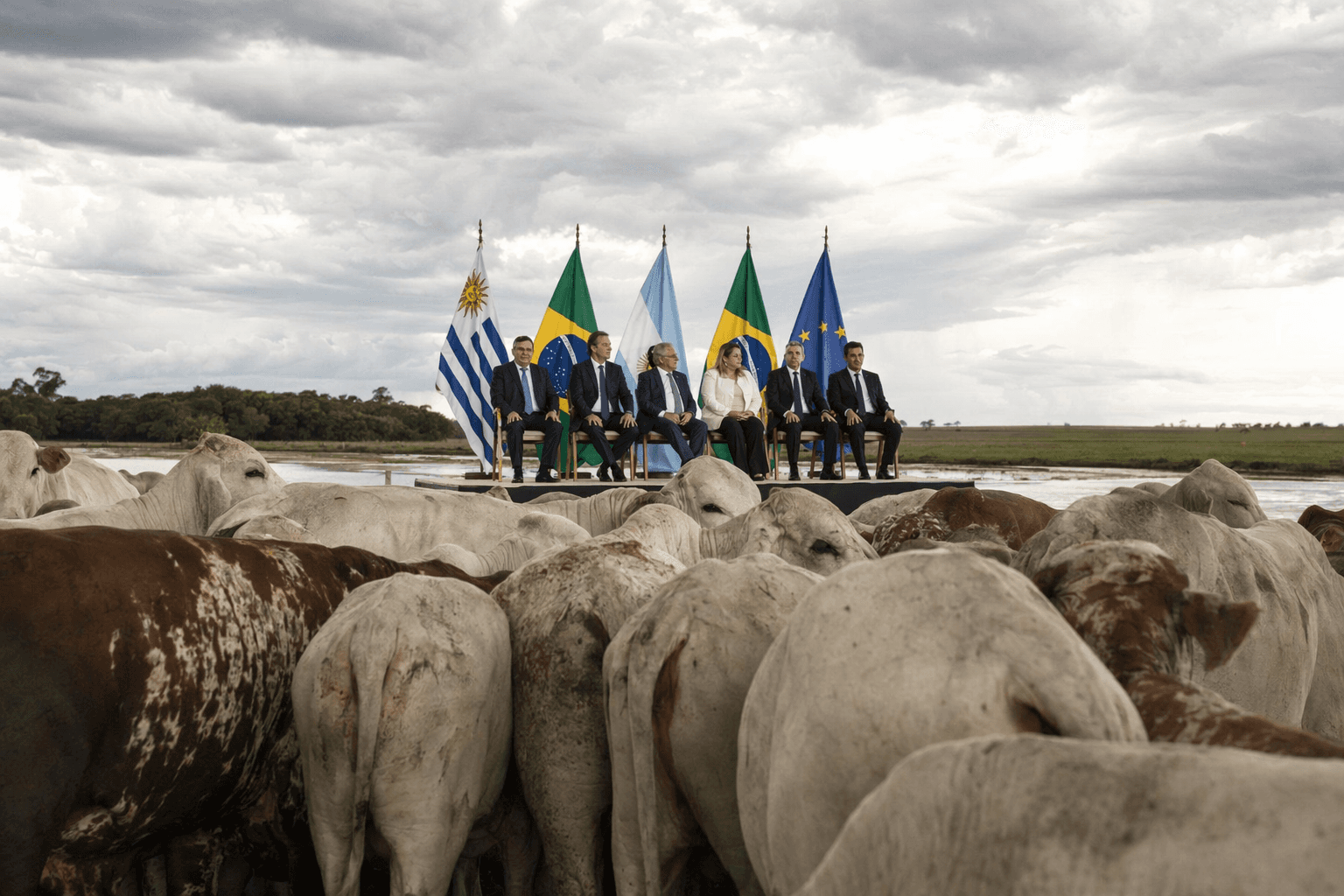
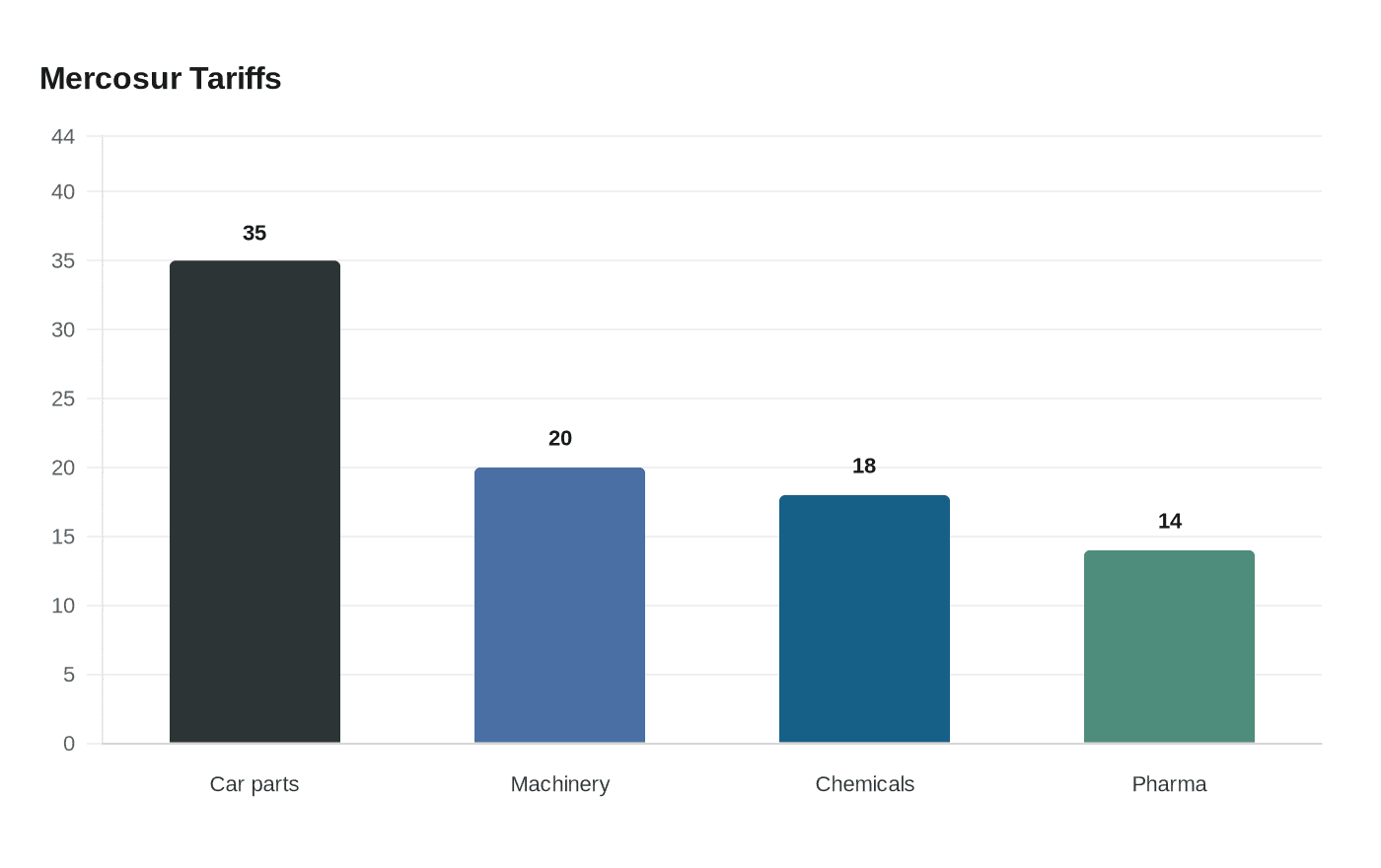
Supporters in Germany, Spain and elsewhere say the pact gives Europe a way to widen its trade network at a moment when U.S. tariffs and trade policy are harder to read. The commission says Mercosur’s market covers about 270 million people and already supports more than 600,000 EU jobs through exports. It also says European exporters could save more than four billion euros a year in customs duties, with current Mercosur tariffs still hitting 35% on car parts, 20% on machinery, 18% on chemicals and 14% on pharmaceuticals.

The strategic case goes beyond tariffs. Brussels says Mercosur is a key supplier of critical raw materials, and that the EU imports 82% of its niobium from the bloc, a metal used in technologies tied to the green and digital transitions. That makes the deal about more than commerce: it is an attempt to reduce dependence on China for inputs Europe now sees as strategically sensitive.
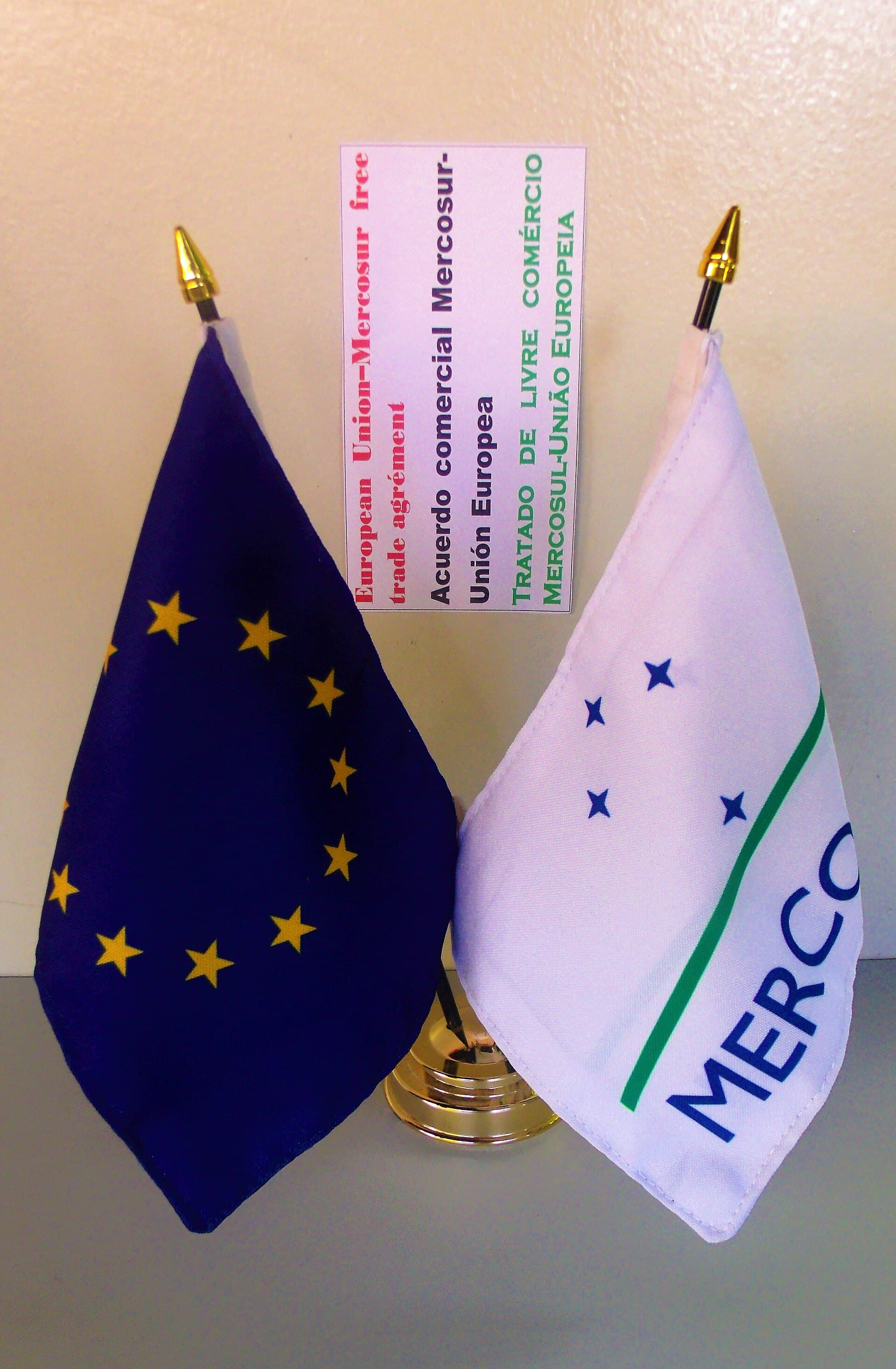
The political cost is obvious in Europe’s farming belt. Critics warn that the deal will open the door to more imports of cheap beef and sugar, while environmental groups say it could intensify pressure on land and drive rainforest destruction. The commission’s own agri-food materials show the scale of the opening: 99,000 tonnes of beef imports would be allowed under quota, and 180,000 tonnes of raw cane sugar for refining would enter duty-free under an existing quota. Dairy products including cheese, milk powder and infant formula would also gain quota-based access.
That backlash helps explain why the agreement remains fragile even as it is being activated. The EU Council adopted a safeguard regulation on March 5 to let Brussels move quickly if Mercosur imports cause serious injury to European farmers. For now, the pact looks like both a commercial opening and a political test of whether Europe can diversify away from U.S. trade risk without deepening its own internal fault lines.
This article was produced by Prism’s automated news system from verified source data, official records, and press releases, then run through automated quality and moderation checks before publishing. The system is built and supervised by the people who set the standards it runs under. Read our full AI policy.
Did this article answer your question?