EU expands Russia sanctions, targeting shadow fleet and Kremlin allies
The EU added 34 people and 47 entities to Russia sanctions, hitting shadow-fleet operators, judges and a Kremlin-linked bishop.
Brussels sharpened its sanctions campaign against Moscow by moving beyond ships and shell companies and into the people and institutions that keep Russia’s war economy and political narrative running. The European Union on June 15 added 34 individuals and 47 entities to its Russia blacklist, aiming at the military-industrial complex, energy revenues, propaganda, hybrid threats and officials tied to repression at home.
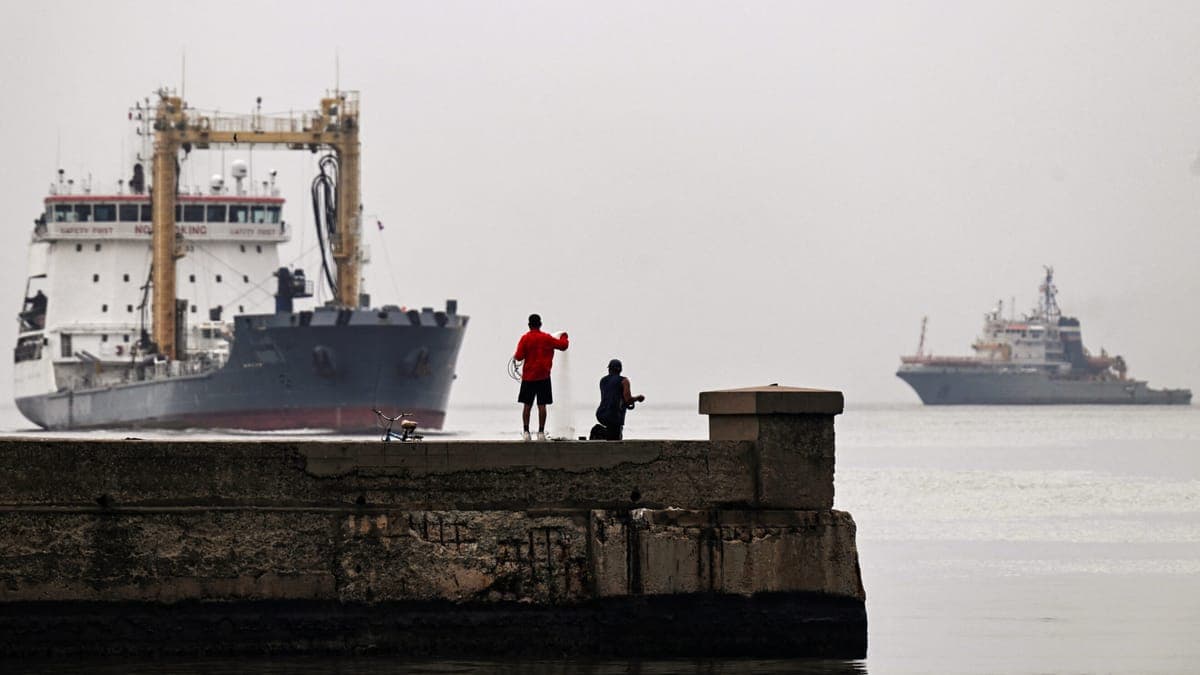
The new package reached into Russia’s shadow-fleet ecosystem, the network used to move oil and blunt sanctions pressure. It also named judges and prosecutors linked to the 2024 poisoning death of Alexei Navalny, a signal that the bloc still wants to punish domestic repression alongside war-related activity. Among the most politically charged additions was Georgiy Shevkunov, a bishop in the Russian Orthodox Church who has been widely described in Russian media as close to Vladimir Putin.
The Council of the European Union said the package was meant to further constrain the Russian military-industrial complex, curb energy revenues and expose systematic human-rights violations and Russia’s repeated disregard for the Chemical Weapons Convention. Kaja Kallas, the EU’s foreign policy chief, said sanctions had already cost the Russian economy between 1 trillion euros and 1.3 trillion euros. “Every measure shrinks Russia’s room for maneuver,” she said.
The sanctions also reached beyond Russia’s borders. The EU said 7 individuals and 21 entities were listed for supporting the military-industrial complex and for serving as enablers in third countries. Among the named entities were the Chinese companies Shenzhen Minghuaxin and Xinxiang Richful Lubricant Additive Company, a sign that Brussels is trying to interrupt the procurement and logistics chains that help Russia keep weapons production and fuel flows moving.
The June 15 action was not a standalone move. The European Commission’s April 23 package listed 46 more vessels and brought the total number of EU-listed shadow-fleet vessels to 632, and it activated the bloc’s anti-circumvention tool for the first time. On June 9, Ursula von der Leyen said work was already underway on a broader 21st sanctions package focused on energy, financial services and trade. That leaves the central question intact: whether widening the list meaningfully tightens pressure on Russia’s war machine, or mainly advertises Western resolve while Moscow keeps adapting.
This article was produced by Prism’s automated news system from verified source data, official records, and press releases, then run through automated quality and moderation checks before publishing. The system is built and supervised by the people who set the standards it runs under. Read our full AI policy.
Did this article answer your question?


