EU keeps three-hour flight delay compensation threshold for passengers
EU countries kept the three-hour flight-delay trigger, preserving cash compensation of up to €600 and a key test of whether passenger rights will be defended.
Airlines failed to win back one of Europe’s most valuable passenger rights: the three-hour delay threshold that can unlock cash compensation of up to €600. EU governments agreed to keep that trigger in the bloc’s airline rules, a decision that protects a compensation system travelers have relied on since 2004 and signals resistance to a broader rollback of consumer protections.
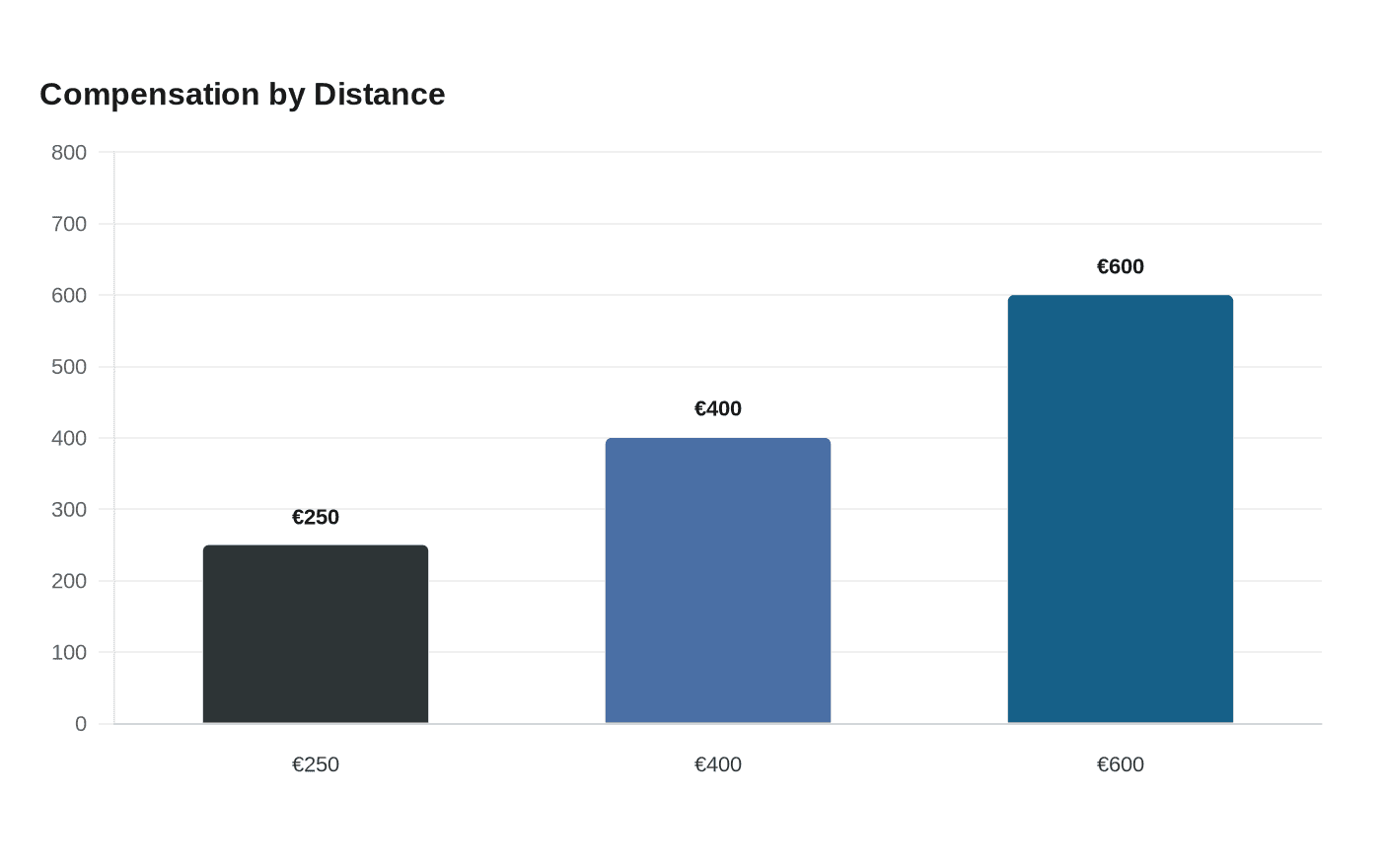
Under Regulation (EC) No 261/2004, passengers can claim €250, €400 or €600 depending on flight distance when a flight is canceled or arrives more than three hours late. The law also requires care, including meals, refreshments, communication and, where needed, accommodation or rerouting. Preserving the three-hour threshold matters because it draws a clear line for disrupted travelers: a delay long enough to strand families in terminals, force missed connections, and push overnight expenses onto passengers rather than the carrier that caused the disruption.
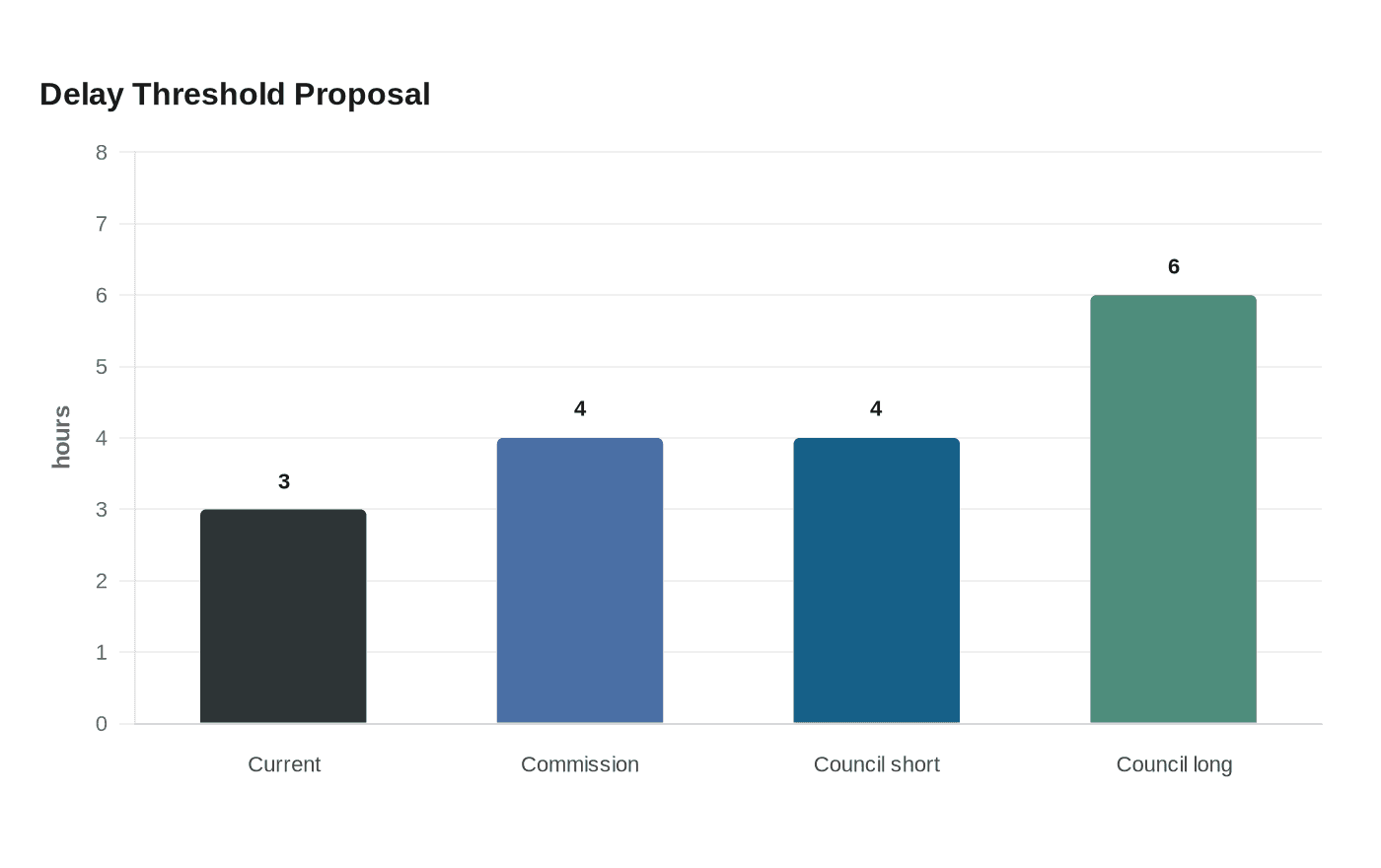
The compromise reached on June 12 in Brussels pushed back against a European Commission proposal that would have made compensation harder to obtain. The Commission had proposed raising the threshold to four hours, while the Council of the European Union’s 2025 first-reading position went even further on some routes, seeking four hours for short flights and six hours for longer ones. Instead, the deal kept the current trigger and the existing payout levels tied to distance, with a senior EU diplomat saying airlines would also have to send passengers the documents they need to claim compensation within 96 hours.
The outcome landed after years of deadlock between the European Parliament and member states over how far to rewrite air-passenger rights. Parliament’s January 2026 vote backed the three-hour deadline by 632 votes to 15, reflecting pressure from consumer groups and disability organizations that want stronger protections and simpler claims. Airlines have argued the opposite, warning that tougher rules would raise costs and make flying more expensive, while the European Parliament’s own briefing notes that passenger numbers topped 1.1 billion in 2024, putting more people under the rules and more pressure on enforcement.
The debate is now about more than a delay clock. Member states also want greater price transparency on carry-on baggage, another area where travelers say the industry has chipped away at the real cost of a ticket. The proposal now goes to the European Parliament for evaluation starting Monday, and if ambassadors approve the draft, the deal would still need final adoption by June 15. For passengers, keeping the three-hour threshold is a concrete defense against a weaker regime, and a reminder that Europe’s consumer rules are still being tested at the boarding gate.
This article was produced by Prism’s automated news system from verified source data, official records, and press releases, then run through automated quality and moderation checks before publishing. The system is built and supervised by the people who set the standards it runs under. Read our full AI policy.
Did this article answer your question?