EU launches DSA proceedings to force Grok withdrawal from Europe
European Commission opens formal Digital Services Act action against xAI's Grok, aiming to compel withdrawal from the EU amid regulatory safety and compliance concerns.
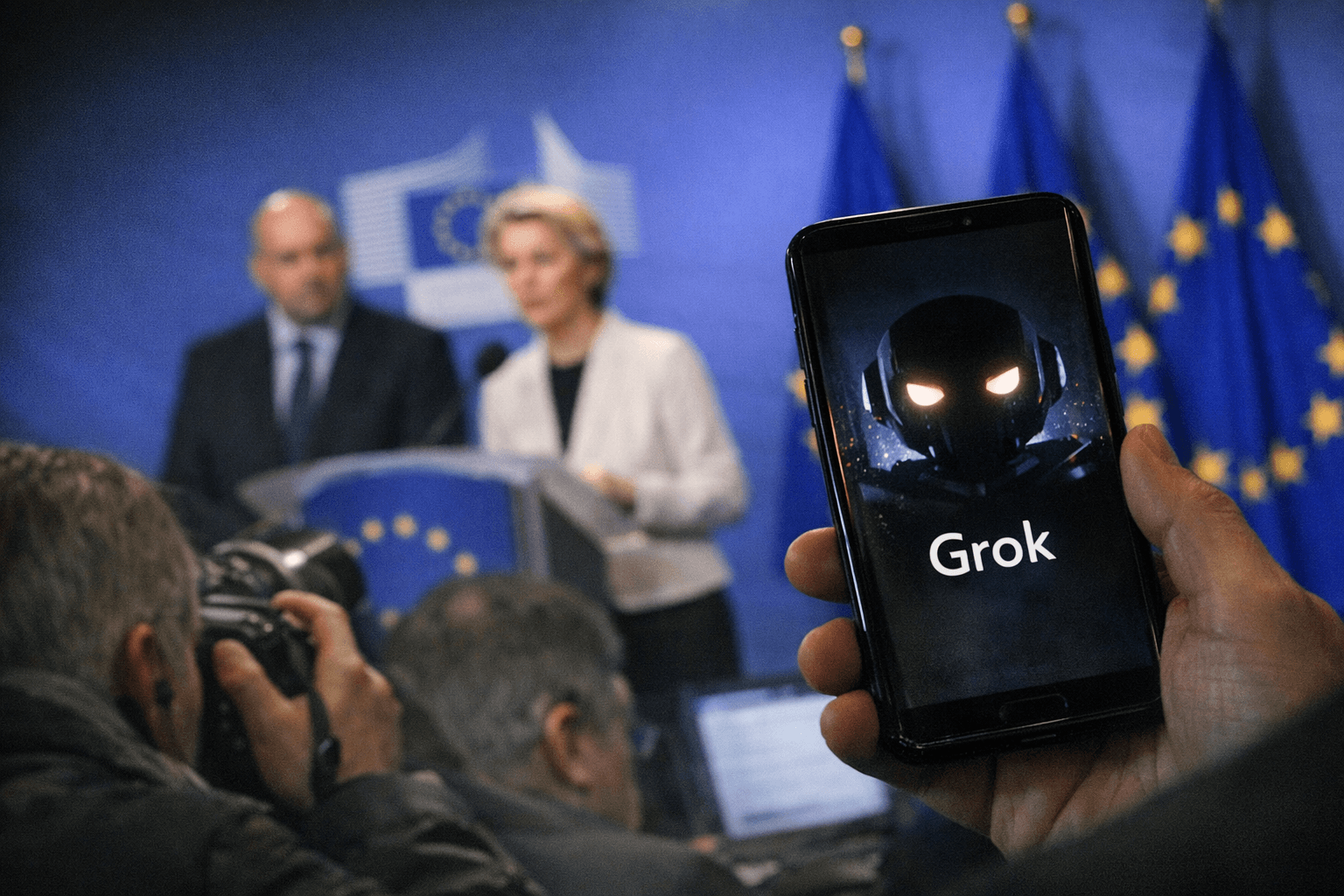
The European Commission is opening formal proceedings under the Digital Services Act against xAI's chatbot Grok, a move intended to compel the company to withdraw the product from the EU market if it fails to meet legal obligations. European regulators signaled the step after raising concerns about the chatbot's compliance and potential risks to users.
The DSA, adopted to modernize liability and safety rules for digital services, gives the commission broad enforcement powers over online products that can circulate illegal content or pose systemic risks. Proceedings under the law allow regulators to demand corrective measures, impose binding orders and levy substantial fines for serious breaches. The commission's action underscores that generative artificial intelligence tools will fall under the same legal regime that governs large platforms and services in the bloc.
Grok, developed by xAI, the company founded by Elon Musk, has attracted attention for its conversational capabilities and public-facing deployments. Regulators say their concerns relate to how the chatbot operates in relation to EU rules on transparency, content moderation and user safety. The formal proceedings mark one of the first high-profile uses of the DSA against an AI-driven conversational agent and could set a precedent for how the European Union polices similar systems.
Under the DSA process, xAI will be given an opportunity to respond to the commission's charge and to propose remedial actions. If regulators determine that Grok gravely violates EU obligations, they can seek orders that force changes to the service or require market withdrawal. The law also allows for fines that can reach significant percentages of a company's global turnover for the most serious infringements, and for other corrective remedies intended to protect the single market and users' rights.
The move reflects growing unease among European authorities about powerful AI systems operating without what regulators consider adequate safeguards. For technology firms, enforcement in Europe raises the prospect of fragmented compliance regimes, with companies potentially forced to alter models, limit features or pull products from national markets to avoid sanctions. For consumers and civil society, aggressive enforcement aims to ensure that new AI tools do not erode safety, spread harmful content or infringe on fundamental rights.
How xAI responds will be closely watched by other AI developers and by policymakers on both sides of the Atlantic. A forced withdrawal of Grok from the EU would be a rare and consequential remedy, testing the commission's willingness to use the DSA as a lever for AI oversight while prompting legal challenges that could shape jurisprudence on the extraterritorial reach of European rules.
The case highlights the tension at the heart of current technology policy: balancing rapid innovation with enforceable protections for users. Whatever the outcome, the proceedings are likely to accelerate conversations about regulatory frameworks for generative AI and the responsibilities of firms that put powerful conversational agents into public use.
This article was produced by Prism’s automated news system from verified source data, official records, and press releases, then run through automated quality and moderation checks before publishing. The system is built and supervised by the people who set the standards it runs under. Read our full AI policy.
Did this article answer your question?