EU Launches Public Consultation on Ocean Act Shaping Future Tuna Management
The European Commission opened a public call for evidence on the proposed Ocean Act to shape future maritime rules that could affect tuna fisheries, with submissions due by Feb 9, 2026.
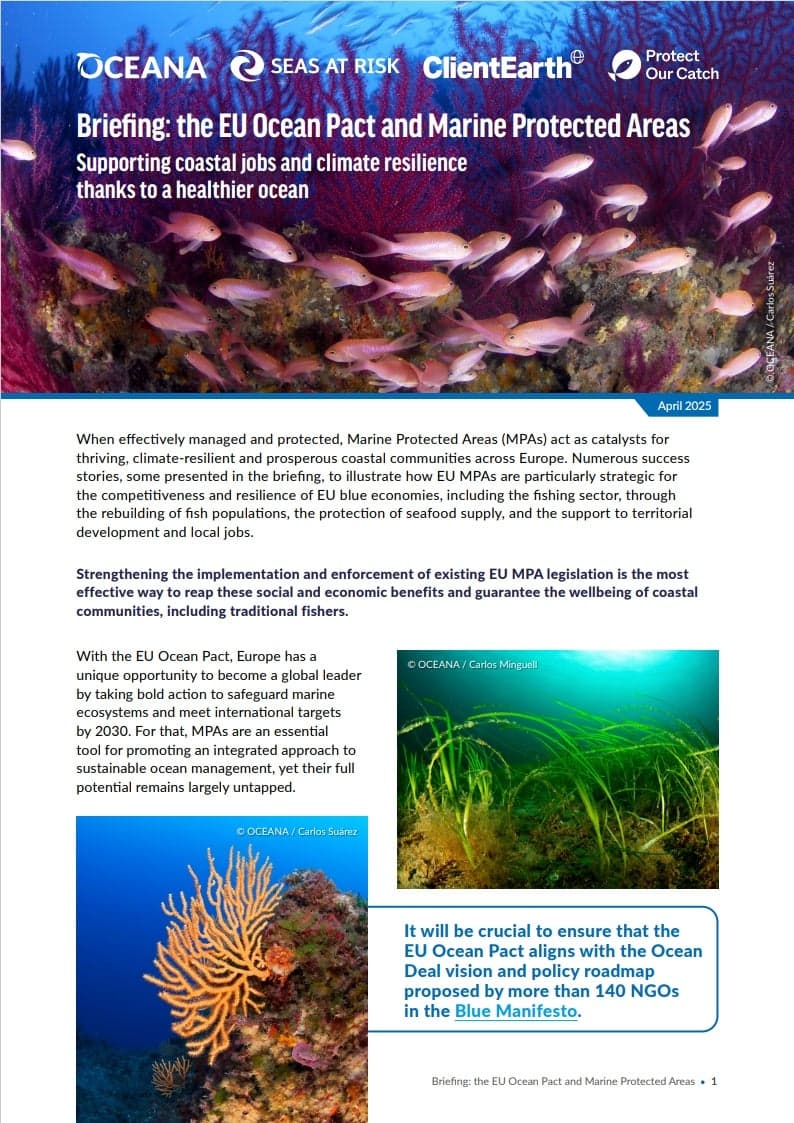
The European Commission opened a public call for evidence to help shape the proposed Ocean Act, a legislative package that could reshape how tuna and other stocks are managed across EU waters. The consultation invites stakeholders, experts and citizens to submit information and views through February 9, 2026, and aims to bring greater coherence to maritime governance across economic, climate, environmental and social objectives.
The Ocean Act springs from the European Ocean Pact adopted at the UN Ocean Conference in 2025 and is intended to improve implementation and enforcement in EU seas. Measures under consideration will touch fisheries management, sustainability rules and enforcement regimes that directly affect long-line, purse-seine and other tuna fisheries, as well as processors and supply-chain operators who depend on stable access and clear compliance requirements.
Industry groups focused on tuna framed this move as part of a broader push to protect stocks and support coastal communities. ATUNA described the Act as supporting a sustainable blue economy and backing measures to conserve tuna while keeping supply chains viable. For EU-based fishers, processors and traders, the consultation is an early chance to influence rules that could otherwise be set without frontline input.
Practical implications include possible changes to monitoring and reporting requirements, strengthened enforcement and greater alignment of climate and environmental goals with fisheries policy. Those changes could alter operational costs, surveillance expectations and market compliance obligations. The consultation, and the legislative timetable, give stakeholders a clear sequence: submissions by February 9, 2026; consultation results to be published in Spring 2026; and a full legislative proposal expected toward the end of 2026.

For the tuna community this is not just a regulatory matter but a business planning issue. Submit data that matters: catch records, bycatch figures, economic impact on coastal ports, costs of monitoring technology, and practical constraints on enforcement at sea. Spell out how proposed measures would affect landing schedules, cold chain logistics and processing timelines. Local authorities and small-scale operators should document community dependence on tuna-related jobs and services.
Coordination matters. Associations, cooperatives and processors can pool evidence to present clearer socio-economic cases and technical feedback on enforcement feasibility. Keep an eye on the consultation feedback publication in Spring 2026 and prepare to engage as the Commission turns consultation input into a formal proposal late in the year.
What comes next is a window to shape the net effect of future rules. Get evidence in by February 9, track the Spring publication, and be ready to adapt operations and contracts if the Ocean Act moves from proposal to law toward the end of 2026.
Sources:
Know something we missed? Have a correction or additional information?
Submit a Tip