MIFCO Begins Buying Reject Yellowfin at Modest Prices After Protests
MIFCO began buying reject yellowfin at modest prices after fishermen protested, a move that could reshape local supply channels and pricing for handline crews.
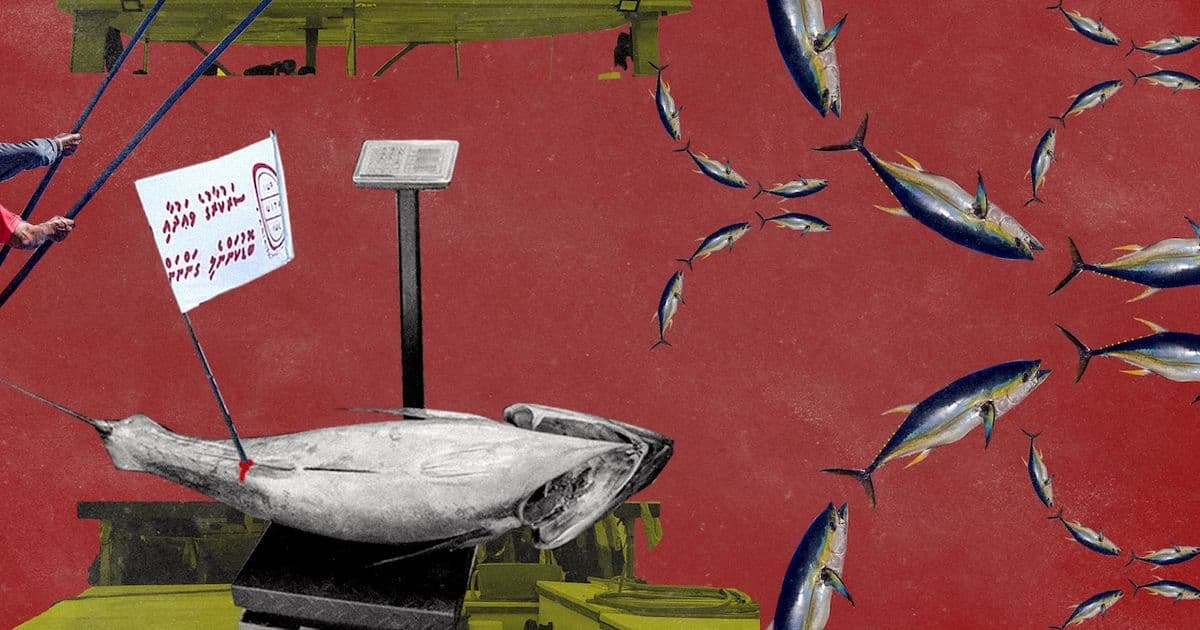
MIFCO, the state-owned Maldives Industrial Fisheries Company, began purchasing yellowfin rejects at its Kandu Oiy Giri facility, marking a rare state intervention in a fishery long dominated by private exporters. The buyback program paid a baseline price reported as MVR 25 per kilogram for certain fish and was launched after yellowfin fishermen staged high-visibility protests to press demands for state buying and fairer prices.
The purchases target “reject” yellowfin - fish that private exporters turn away for not meeting export-grade quality - rather than the premium, high‑grade yellowfin that feeds lucrative overseas markets. Fisher union representatives welcomed the step as recognition of the sector’s troubles but described it as a modest beginning compared with union demands for a much higher minimum price of MVR 80–100 per kilogram.
Tensions boiled over after crews anchored boats in protest, highlighting complaints about the market power of private exporters and recurring late payments. The government has responded on multiple fronts: besides MIFCO’s interim buying, authorities announced plans to build a dedicated yellowfin processing facility in Hulhumalé aimed at stabilizing the supply chain and adding domestic processing capacity.
Understanding why this matters requires a look at the structural divide in Maldivian tuna fisheries. Skipjack is largely pole-and-line, well-supported by state channels and longstanding domestic processing and export routes. Yellowfin, by contrast, is predominantly caught by multi-day handline trips and depends heavily on private buyers who set grades and prices. That dependency left many small boatowners and crews exposed when exporters tightened quality thresholds or delayed payments.
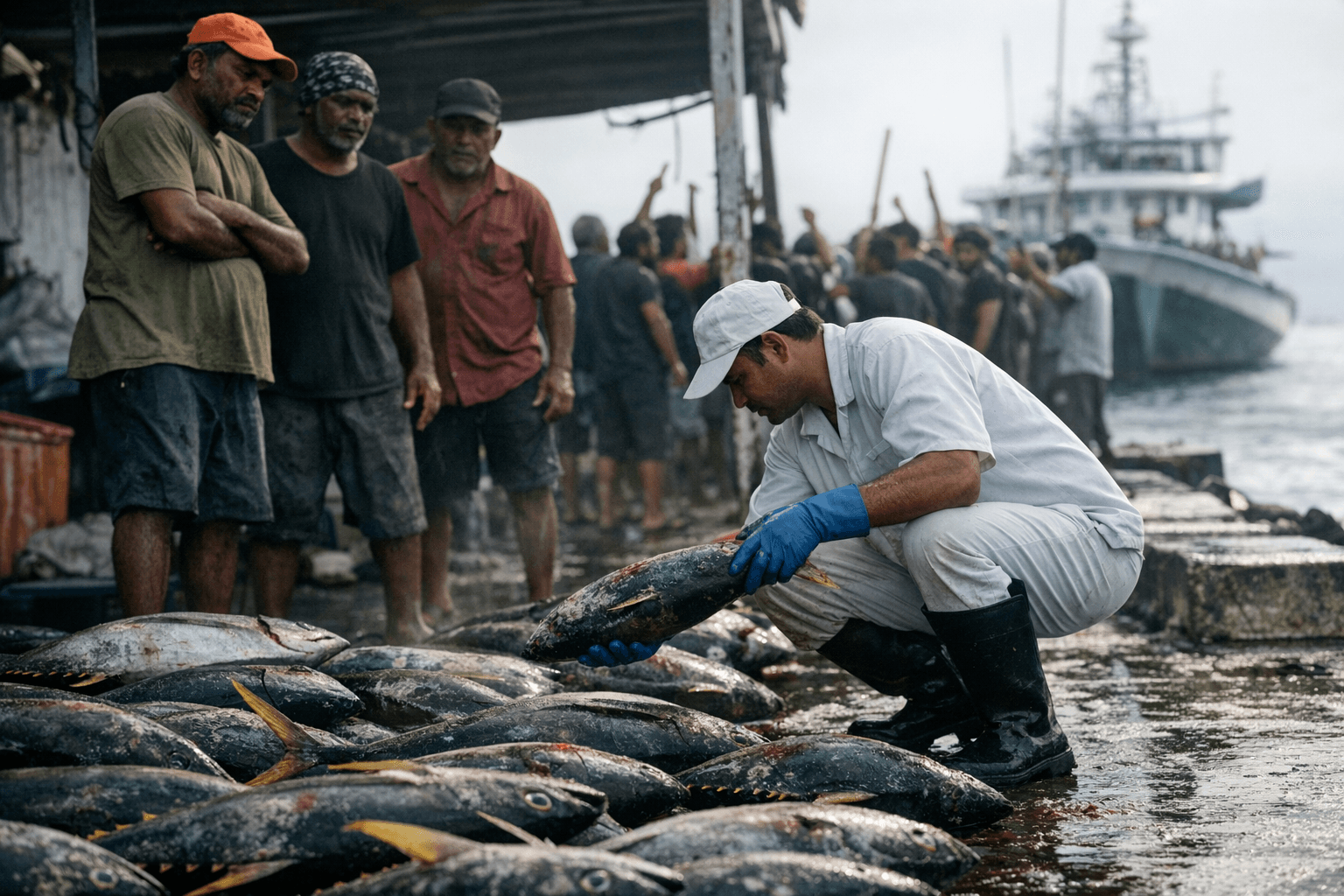
For local fishers, MIFCO’s move provides an immediate outlet for fish that previously might have been rejected at landing sites and discarded or sold at sharply reduced rates. Landing-site dynamics may shift as some volume routes toward the new state buyer rather than leaving fishers at the mercy of a handful of exporters. For buyer networks and regional trade, the state entrance signals a potential rebalancing of bargaining power; however, because MIFCO is taking only rejects at modest prices, export-grade supply and international price signals should remain largely unchanged for now.
Practical consequences include the possibility of smoother cash flow for crews handling lower-grade fish and a short-term reduction in waste for boats returning from multi-day trips. Boatowners and crew should track which grades qualify for the state purchase and continue to document exporter payment practices and grading decisions so unions and officials can monitor progress. Exporters may respond by adjusting buying practices or investing in onshore grading and cold-chain improvements if the state presence persists.
What comes next will depend on whether MIFCO expands purchases to higher-grade yellowfin and how quickly the Hulhumalé processing facility moves from plan to reality. For now, the intervention buys time for handline communities and puts a spotlight on long-standing structural gaps in the yellowfin value chain.
Sources:
Know something we missed? Have a correction or additional information?
Submit a Tip